NextGen Oncology: Precision Proteomics in Diagnostic Solutions

May 2, 2023

Personalized oncology aims to match each patient to a specific therapy based on the molecular characteristics of their tumor.

Currently, tumor DNA is sequenced, and genomics reports are given to physicians to help select targeted therapies for patients.

While this genome-centric approach to precision oncology has extended the lives of subsets of patients, many patients do not respond to the selected therapy and many whose tumors initially respond have a high chance of recurrence with resistant disease.

New approaches are required to capture complex clinical phenotypes and better match patients to efficacious therapies.

Viewers will gain insights into:

  • An understanding of state-of-the-art proteomic analyses
  • Application of proteogenomic approaches to identifying novel biomarkers
  • How to develop multiplex, targeted proteomic assays to support preclinical and clinical studies

Dr. Amanda Paulovich, MD, PhD, Professor and Aven Foundation Endowed Chair, Director, CLIA Targeted Proteomic Laboratory, Clinical Research Division, Fred Hutchinson Cancer Center

As an oncologist, Dr. Amanda Paulovich was struck by the paucity of quantitative assays for measuring clinically relevant phenotypes in her patients, and the limitations that this put on her ability to practice “personalized medicine.” Through these experiences, she became passionate about developing technologies and strategies for the translation of NextGen diagnostics and therapeutics to enable precision medicine.

Over the past 19 years, Dr. Paulovich’s interdisciplinary laboratory has focused on proteogenomic approaches to understanding cancer biology and laying the groundwork for the clinical translation of NextGen diagnostics incorporating targeted, multiple reaction monitoring (MRM) mass spectrometry.

Dr. Paulovich completed a residency in internal medicine at Massachusetts General Hospital and a fellowship in oncology at Dana-Farber Cancer Institute. She completed her PhD training in genetics with Dr. Lee Hartwell at the University of Washington and postdoctoral training in genomics at the Massachusetts Institute of Technology with Dr. Eric Lander.

NextGen Oncology: Precision Proteomics in Diagnostic Solutions

May 2, 2023

Personalized oncology aims to match each patient to a specific therapy based on the molecular characteristics of their tumor.

Currently, tumor DNA is sequenced, and genomics reports are given to physicians to help select targeted therapies for patients.

While this genome-centric approach to precision oncology has extended the lives of subsets of patients, many patients do not respond to the selected therapy and many whose tumors initially respond have a high chance of recurrence with resistant disease.

New approaches are required to capture complex clinical phenotypes and better match patients to efficacious therapies.

Viewers will gain insights into:

  • An understanding of state-of-the-art proteomic analyses
  • Application of proteogenomic approaches to identifying novel biomarkers
  • How to develop multiplex, targeted proteomic assays to support preclinical and clinical studies

Dr. Amanda Paulovich, MD, PhD, Professor and Aven Foundation Endowed Chair, Director, CLIA Targeted Proteomic Laboratory, Clinical Research Division, Fred Hutchinson Cancer Center

As an oncologist, Dr. Amanda Paulovich was struck by the paucity of quantitative assays for measuring clinically relevant phenotypes in her patients, and the limitations that this put on her ability to practice “personalized medicine.” Through these experiences, she became passionate about developing technologies and strategies for the translation of NextGen diagnostics and therapeutics to enable precision medicine.

Over the past 19 years, Dr. Paulovich’s interdisciplinary laboratory has focused on proteogenomic approaches to understanding cancer biology and laying the groundwork for the clinical translation of NextGen diagnostics incorporating targeted, multiple reaction monitoring (MRM) mass spectrometry.

Dr. Paulovich completed a residency in internal medicine at Massachusetts General Hospital and a fellowship in oncology at Dana-Farber Cancer Institute. She completed her PhD training in genetics with Dr. Lee Hartwell at the University of Washington and postdoctoral training in genomics at the Massachusetts Institute of Technology with Dr. Eric Lander.
ELISpot vs ICS Assays: Perfect Method in Immuno-Oncology Trials

October 29, 2020

Section image

Get a clear understanding of the ELISpot and ICS assays along with key elements to consider for the selection of the appropriate method to investigate your vaccine’s efficacy.

Key takeaways from this webinar:

  • Advantages and limitations of ICS and ELISpot for clinical trials
  • How to design ICS and ELISpot assays for maximal data gathering
  • Critical development and validation approaches to consider with ICS and ELISpot assays in order to fulfill regulatory requirements

To access this webinar, contact us.

Efficacy in a vaccine trial is assessed through the production of protective antibodies against the infectious agent.  Measurement of the neutralizing effect of these antibodies is performed through cell-based assays.

Over the past years, additional assays have been introduced in vaccine trials in order to get a better understanding of the vaccine’s mode of action on the immune system.

These assays allow for the monitoring of T-cell responses in subjects upon vaccination, including the humoral response (supported by CD4 helper T cells) and the elimination of infected cells by CD8 cytotoxic T cells (cellular response).

The mechanism can be further characterized through the profiling of the CD4 T cell polarization: Th1, Th2, Th17 and/or follicular helper T cells (Tfh), all of which can have an impact on the resulting therapeutic effect.

Flow cytometry and multimer detection can be used to follow an antigen specific T-cell response and reveal a specific TCR. However, this method allows to follow only one antigen and the functional state (effector/anergic) of the cells remains unknown.

Given these limitations, most trials now employ ELISpot and ICS to reveal both the antigen-specificity and the functionality of the immune response induced by the treatment.

Performing both ELISpot and ICS assays requires a lot of starting material (PBMC isolated from whole blood), which might not be accessible. The question then arises: which method to use? ELISpot or ICS?

On one hand, the ELISpot is commonly considered more sensitive than the ICS assay while requiring less amount of PBMC.

On the other hand, the ICS allows for the measurement of cytokines as well as surface and intracellular markers to generate a more complete cellular profile but consumes more of the precious PBMC material.

During this webinar, we will present:

(a) characteristics of both methods as well as their advantages and limitations

(b) approaches to define optimal assay conditions during development for robust assay performance and maximal data gathering

(c) validation approaches based on intended use of the data

(d) how to deploy these assays using appropriate criteria for control and study samples during sample analysis in infectious diseases (i.e., COVID-19) and immuno-oncology vaccine trials.

ELISpot vs ICS Assays: Perfect Method in Immuno-Oncology Trials

October 29, 2020

Section image

Get a clear understanding of the ELISpot and ICS assays along with key elements to consider for the selection of the appropriate method to investigate your vaccine’s efficacy.

Key takeaways from this webinar:

  • Advantages and limitations of ICS and ELISpot for clinical trials
  • How to design ICS and ELISpot assays for maximal data gathering
  • Critical development and validation approaches to consider with ICS and ELISpot assays in order to fulfill regulatory requirements

To access this webinar, contact us.

Efficacy in a vaccine trial is assessed through the production of protective antibodies against the infectious agent.  Measurement of the neutralizing effect of these antibodies is performed through cell-based assays.

Over the past years, additional assays have been introduced in vaccine trials in order to get a better understanding of the vaccine’s mode of action on the immune system.

These assays allow for the monitoring of T-cell responses in subjects upon vaccination, including the humoral response (supported by CD4 helper T cells) and the elimination of infected cells by CD8 cytotoxic T cells (cellular response).

The mechanism can be further characterized through the profiling of the CD4 T cell polarization: Th1, Th2, Th17 and/or follicular helper T cells (Tfh), all of which can have an impact on the resulting therapeutic effect.

Flow cytometry and multimer detection can be used to follow an antigen specific T-cell response and reveal a specific TCR. However, this method allows to follow only one antigen and the functional state (effector/anergic) of the cells remains unknown.

Given these limitations, most trials now employ ELISpot and ICS to reveal both the antigen-specificity and the functionality of the immune response induced by the treatment.

Performing both ELISpot and ICS assays requires a lot of starting material (PBMC isolated from whole blood), which might not be accessible. The question then arises: which method to use? ELISpot or ICS?

On one hand, the ELISpot is commonly considered more sensitive than the ICS assay while requiring less amount of PBMC.

On the other hand, the ICS allows for the measurement of cytokines as well as surface and intracellular markers to generate a more complete cellular profile but consumes more of the precious PBMC material.

During this webinar, we will present:

(a) characteristics of both methods as well as their advantages and limitations

(b) approaches to define optimal assay conditions during development for robust assay performance and maximal data gathering

(c) validation approaches based on intended use of the data

(d) how to deploy these assays using appropriate criteria for control and study samples during sample analysis in infectious diseases (i.e., COVID-19) and immuno-oncology vaccine trials.

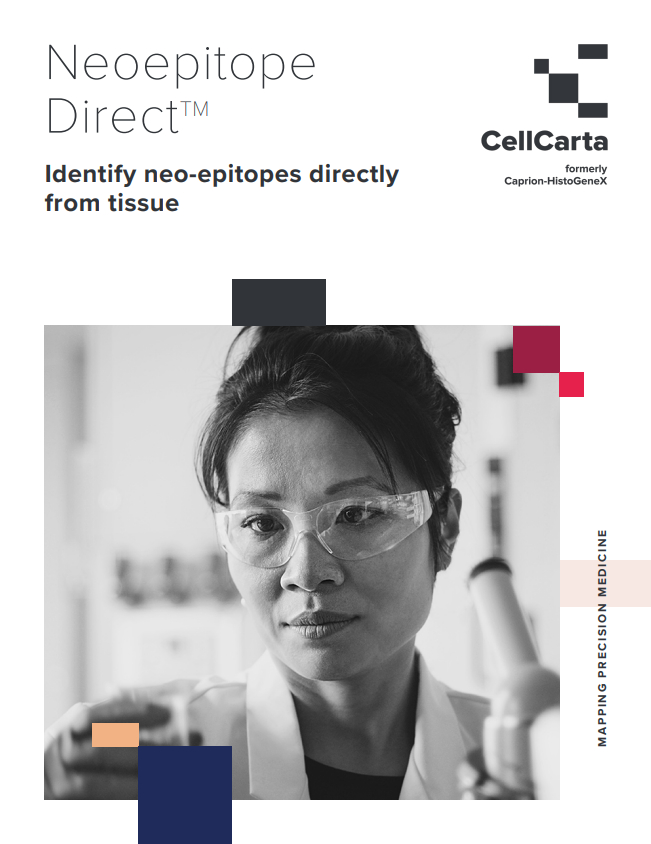
NEOEPITOPE DIRECT™

May 6, 2020

DOWNLOAD OUR BROCHURE

CellCarta-Brochure-Neoepitope

SHORTEN YOUR DRUG DEVELOPMENT CYCLE BY IDENTIFYING AND CHARACTERIZING NEO-EPITOPE DIRECTLY FROM TISSUE USING MASS SPECTROMETRY

NEOEPITOPE DIRECT™

May 6, 2020

DOWNLOAD OUR BROCHURE

CellCarta-Brochure-Neoepitope

SHORTEN YOUR DRUG DEVELOPMENT CYCLE BY IDENTIFYING AND CHARACTERIZING NEO-EPITOPE DIRECTLY FROM TISSUE USING MASS SPECTROMETRY

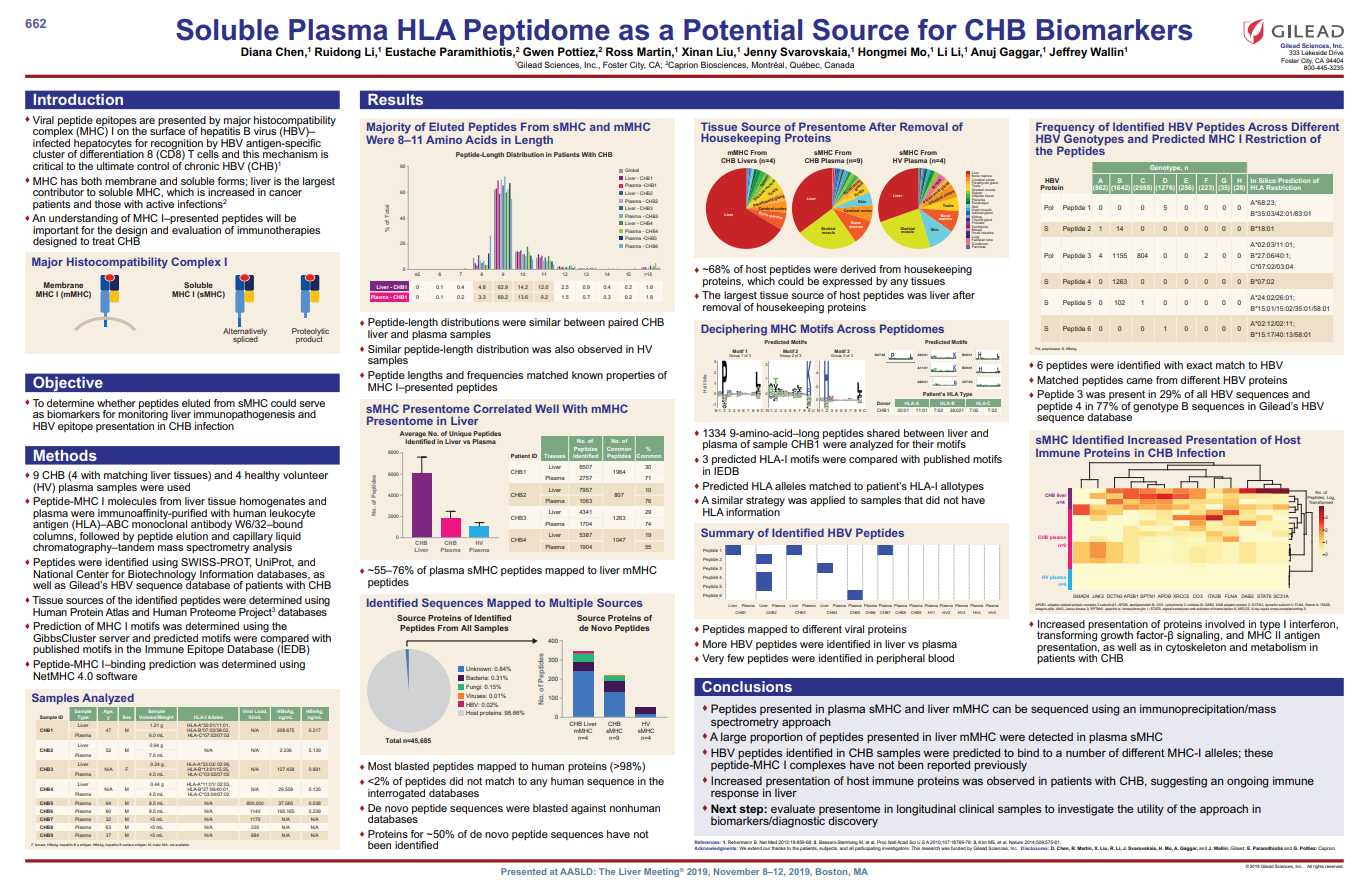
Soluble plasma HLA peptidome as a potential source for CHB biomarkers

July 29, 2019

Soluble plasma HLA peptidome as a potential source for CHB biomarkers, AASLD 2019

Soluble plasma HLA peptidome as a potential source for CHB biomarkers

Soluble plasma HLA peptidome as a potential source for CHB biomarkers

July 29, 2019

Soluble plasma HLA peptidome as a potential source for CHB biomarkers, AASLD 2019

Soluble plasma HLA peptidome as a potential source for CHB biomarkers

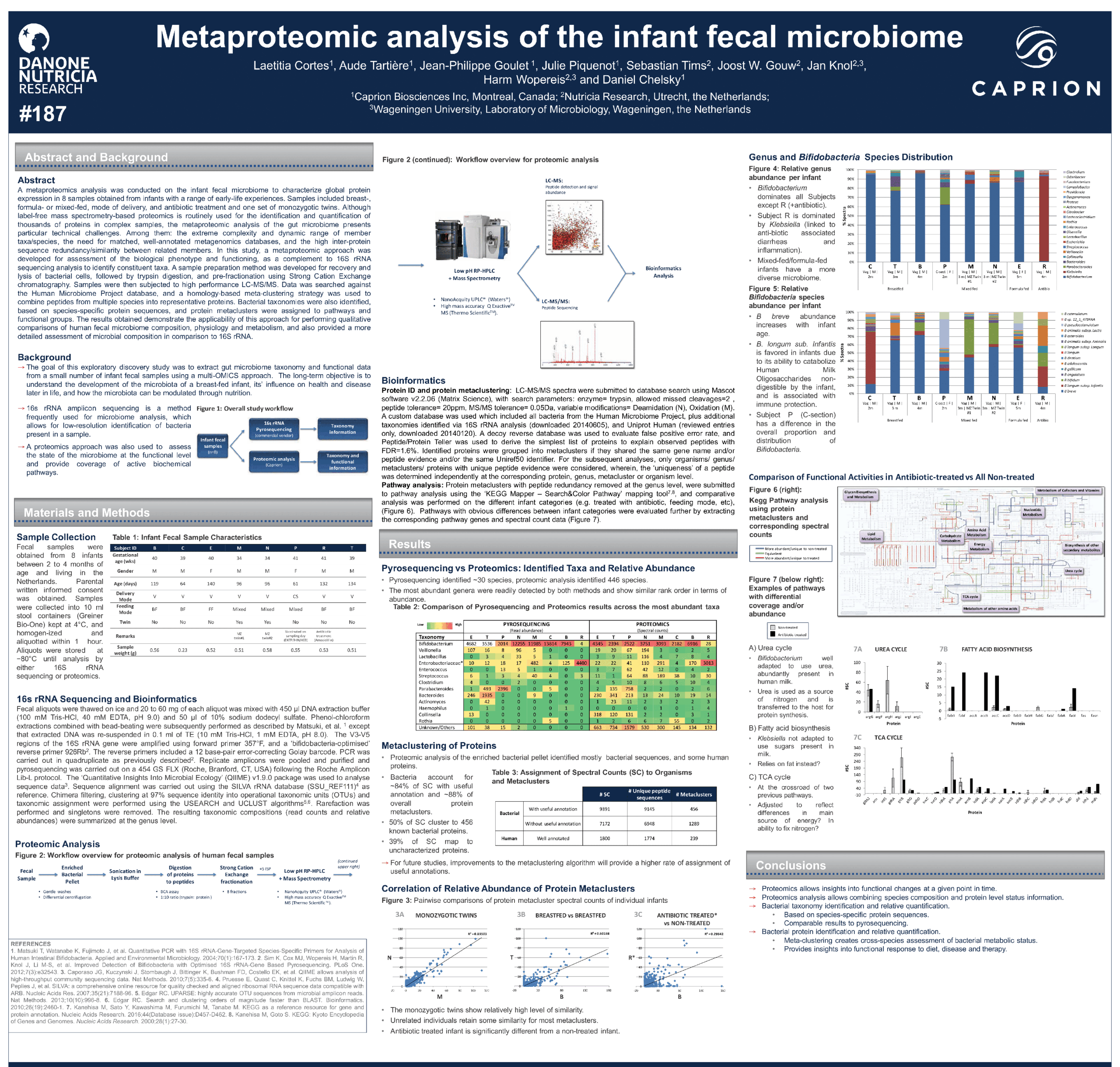
Metaproteomic analysis of the infant fecal microbiome

September 30, 2018

Metaproteomic analysis of the infant fecal microbiome, HUPO 2018

HUPO 2018 poster

Metaproteomic analysis of the infant fecal microbiome

September 30, 2018

Metaproteomic analysis of the infant fecal microbiome, HUPO 2018

HUPO 2018 poster