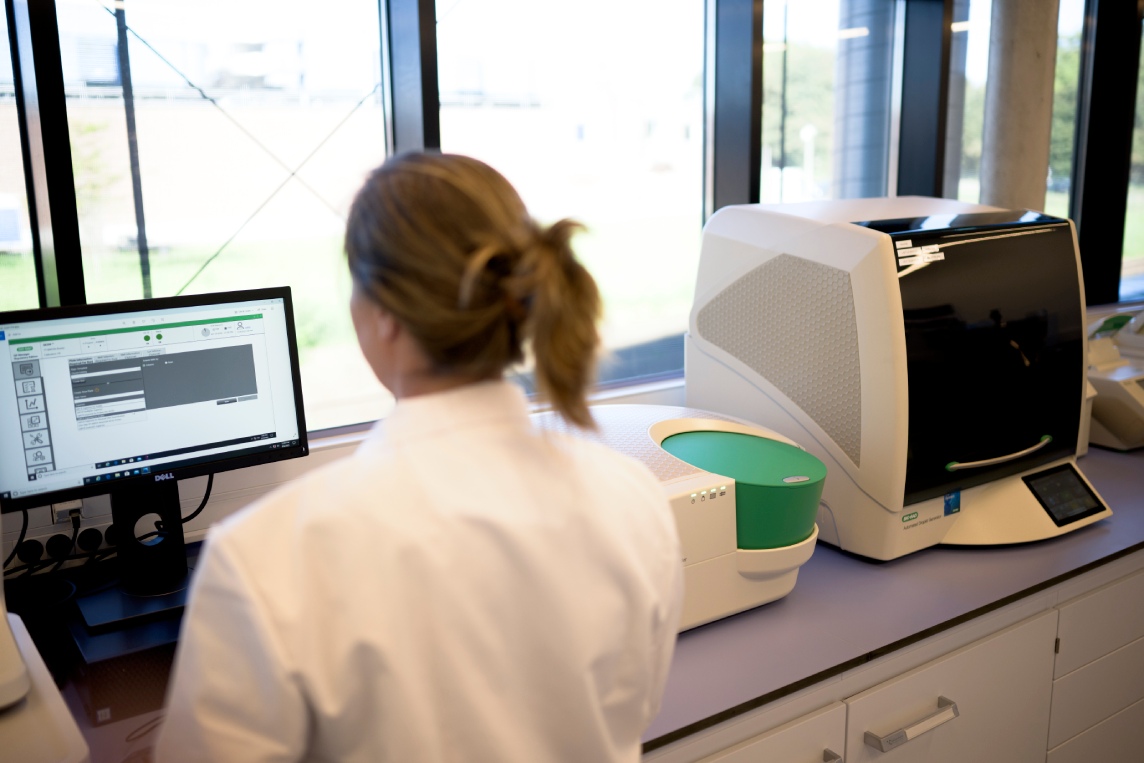
Ultrasensitive and absolute nucleic acid quantification makes dPCR the ideal technology for mutation detection and analysis of low abundant changes.
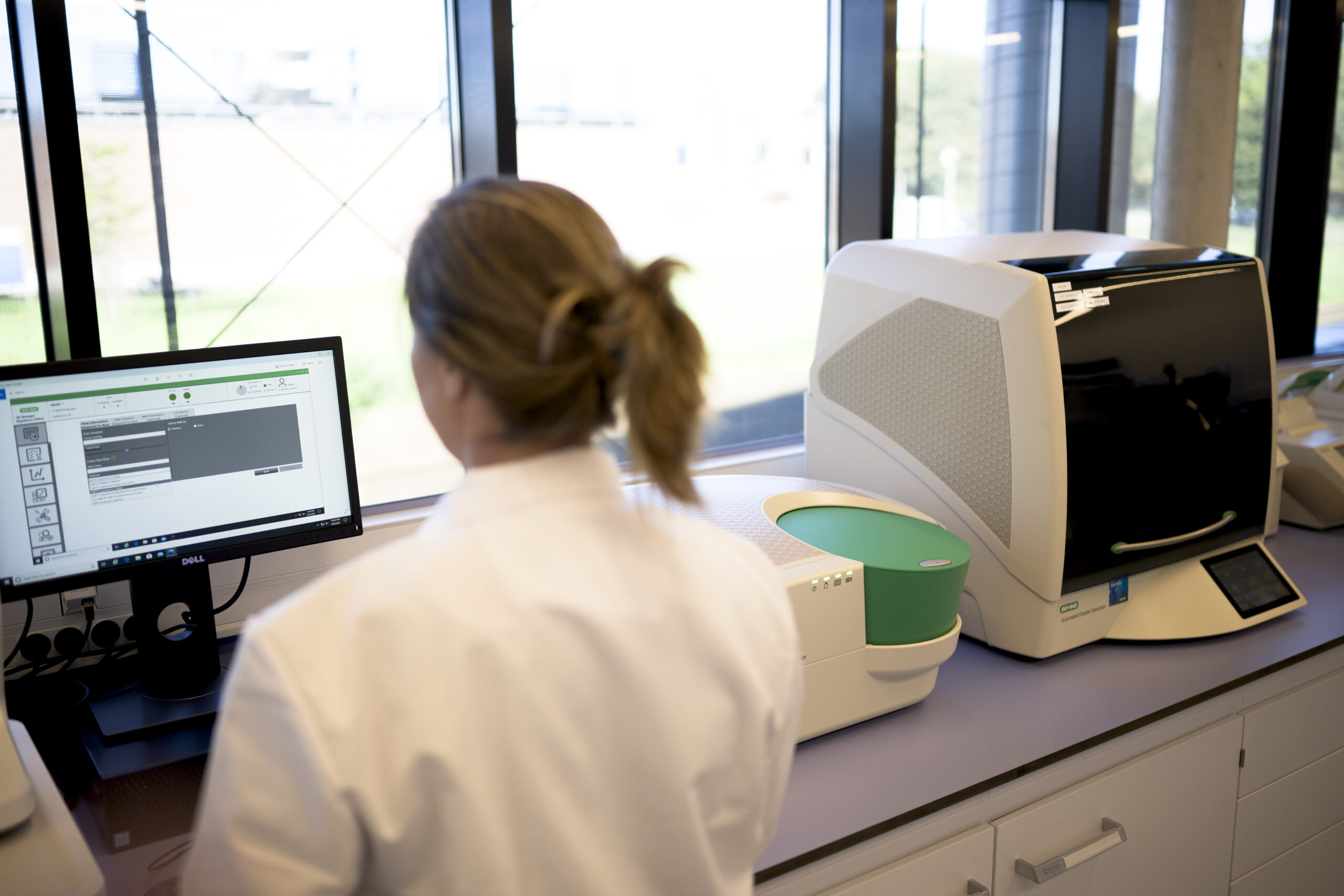
CellCarta supports any dPCR-based application using off-the-shelf (OTS) or custom panels, and accommodates all biological matrices, including liquid biopsy, enabling non-invasive patient monitoring across all global trials.
dPCR’s clinical applications are plentiful and include gene expression profiling, low abundance gene quantification, copy number variation (CNV) determination vector copy number (VCN) assessment and competent retrovirus (RCR) and replication competent lentivirus (RCL) testing.
CellCarta can incorporate OTS assays into your dPCR applications with ease, enabling rapid and robust turnaround times. Key OTS platforms include the QIAGEN Ipsogen dPCR assays.
When custom primers are required, our team can accommodate the design and validation of primers tailored to your experimental needs. Contact us regarding any custom developments.
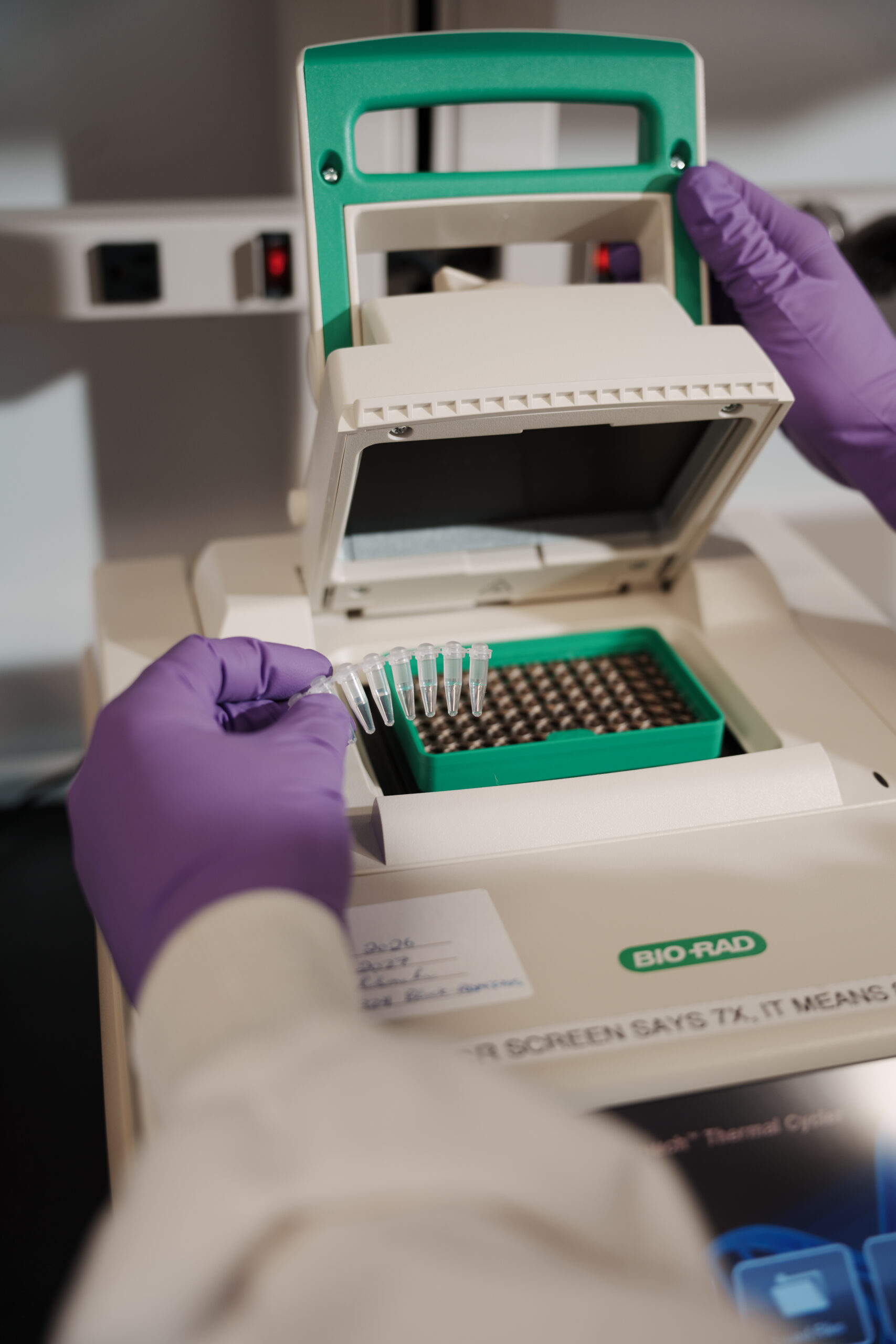
Our team offers multiple dPCR platforms to achieve your experimental goals, including Qiagen’s QIAcuity and Bio-Rad’s QX200TM.
These platforms can run both OTS and custom panels, as well as handle exploratory assays to support all aspects of your genomic research.
Our global sites are accredited to the highest standards, ensuring our services can meet and scale with your research needs at any stage. All dPCR services are performed in an ISO 13485 accredited environment.
See our full list of accreditations here.
CellCarta can incorporate OTS assays into your dPCR applications with ease, enabling rapid and robust turnaround times. Key OTS platforms include the QIAGEN Ipsogen dPCR assays.
When custom primers are required, our team can accommodate the design and validation of primers tailored to your experimental needs. Contact us regarding any custom developments.
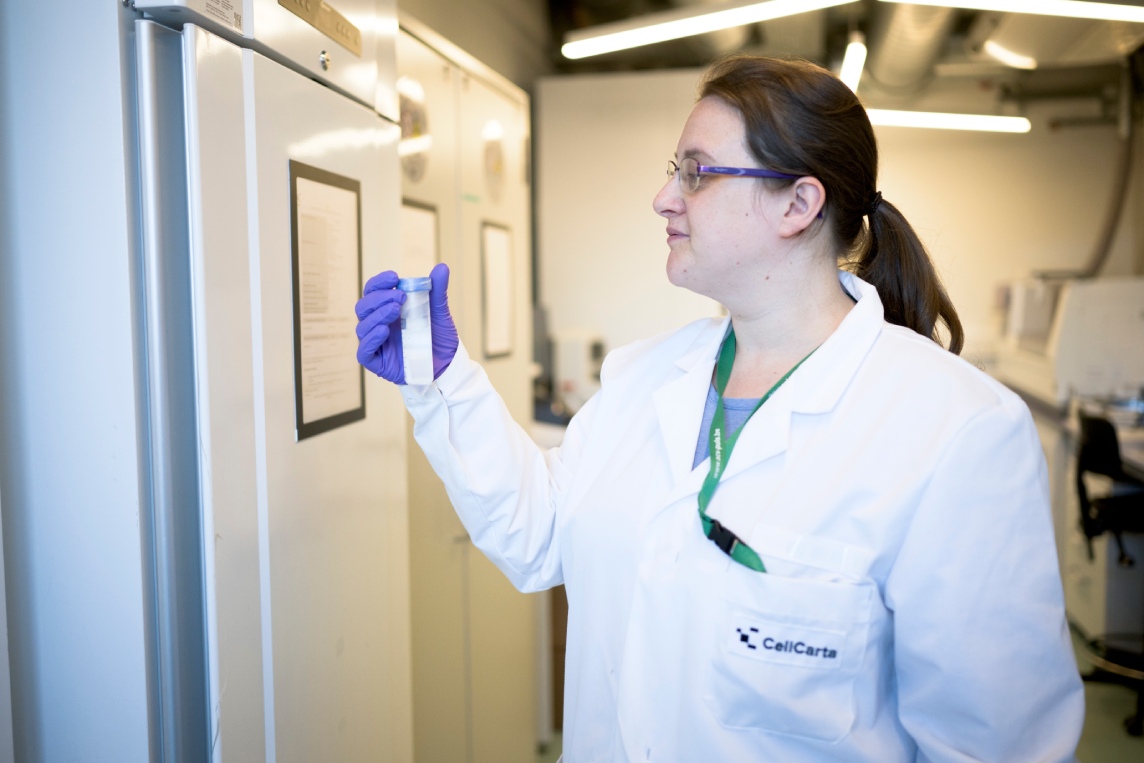
Our team offers multiple dPCR platforms to achieve your experimental goals, including Qiagen’s QIAcuity and Bio-Rad’s QX200TM.
These platforms can run both OTS and custom panels, as well as handle exploratory assays to support all aspects of your genomic research.
Our global sites are accredited to the highest standards, ensuring our services can meet and scale with your research needs at any stage. All dPCR services are performed in an ISO 13485 accredited environment.
See our full list of accreditations here.
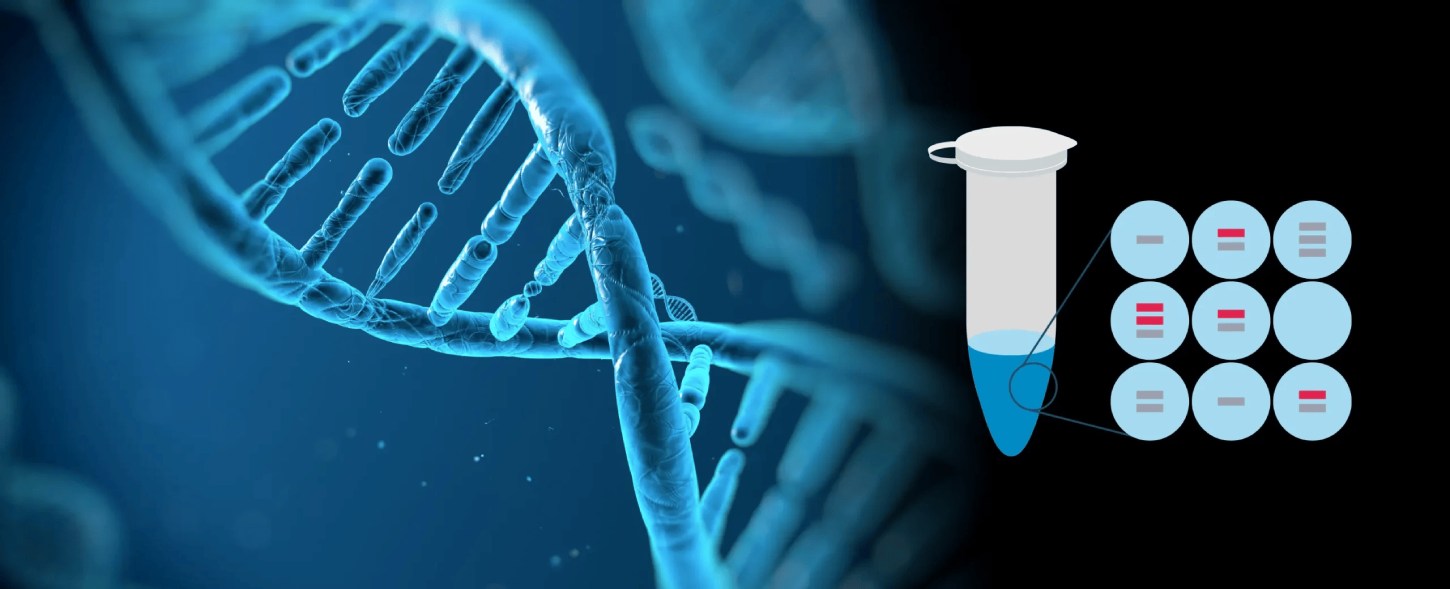
The superior accuracy, precision, and sensitivity of dPCR compared to qPCR have highlighted its promise for clinical studies. The clinical applications of dPCR have been shown in plasma samples, changes in alternative splicing, and CAR-T studies, as discussed by Dr. Jan Hellemans.
dPCR delivers absolute quantification and doesn’t require a standard curve, so it can excel where qPCR may fall short: detecting low-abundance target genes, rare variants, and subtle expression changes. This makes dPCR the preferred choice for high-sensitivity genomics applications.


Our team’s expertise in dPCR and qPCR will help ensure your adoptive cell therapy (ACT) maintains patient safety and regulatory compliance. In a clinical trial setting, dPCR accurately detected the smallest changes in VCN, making it the method of choice for pharmacokinetics assays.
Our dPCR services enable superior accuracy, precision, and sensitivity gene expression analysis.
Rich Scientific Expertise
Cutting-edge Technologies
Global Execution
Adaptable Workflows
Integrated Service
Explore these key genomics services alongside our digital PCR services to maximize the value of your research.
Cutting-edge technology to understand the transcriptome and its biological context.
Comprehensive analysis of all genomic data tailored to your specific project needs.

Comprehensive analysis through various platforms, including RareCyte® and TSO500.

 Publication
Publication
Publication
Publication
Publication

dPCR applications include RNA expression profiling, low abundant gene quantification, rare event detection, absolute quantification, gene CNV variation, VCN determination, and RCL detection, supporting genomics research, cell therapy, and clinical research programs.
dPCR can support adoptive cell therapy (ACT) programs in meeting safety regulations relating to VCN and RCL/RCR levels, even in lymphodepleted samples. For pharmacokinetics (PK) assessment, dPCR is ideal as it detects the smallest changes in VCN, enabling monitoring over a long investigatory period. It can also be employed for biodistribution studies of CAR constructs, where dPCR can accurately detect the accumulation/clearance of lowly concentrated engineered cells.
Read more about dPCR’s applications here.
Our dPCR services conform to the highest degree of quality and are performed in ISO 13485 certified laboratories, allowing for seamless integration into your clinical trial. Read about our full list of accreditations here.