Precision immune monitoring and biomarker services to advance your autoimmune drug development program from discovery to clinical trials.

From JAK inhibitor dose optimization to CAR-T repurposing for autoimmune indications, CellCarta provides comprehensive immune monitoring and biomarker services tailored to autoimmune disease programs.
Our scientists collaborate closely with your team to design customized strategies that can address your unique scientific questions, helping advance your clinical program forward.

Don’t see your indication? Contact us about custom solutions.
Contact us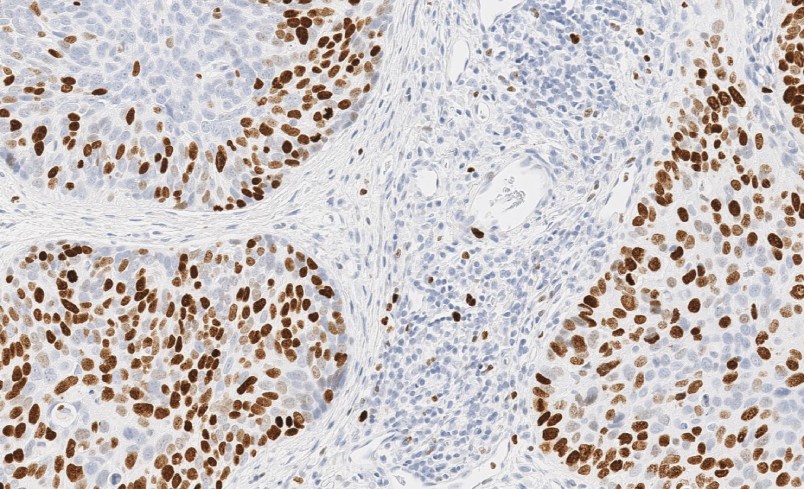
Track anti-dsDNA antibodies, complement C3, and B and T lymphocyte populations across trial phases.
Anti-AChR and anti-MuSK antibody quantification with complement pathway and B-cell subset monitoring.
IL-17A quantification, tissue-based immune characterization, and anti-drug antibody monitoring.

Cytokine profiling, anti-CCP and RF monitoring, and JAK inhibitor pathway phenotyping across visits.
T-lymphocyte, NK cell, and B-cell phenotyping alongside anti-donor HLA antibody and Treg monitoring.
Whether measuring immune dysregulation or your drug’s mechanism of action, our immune monitoring capabilities can provide the depth and reproducibility required, including:
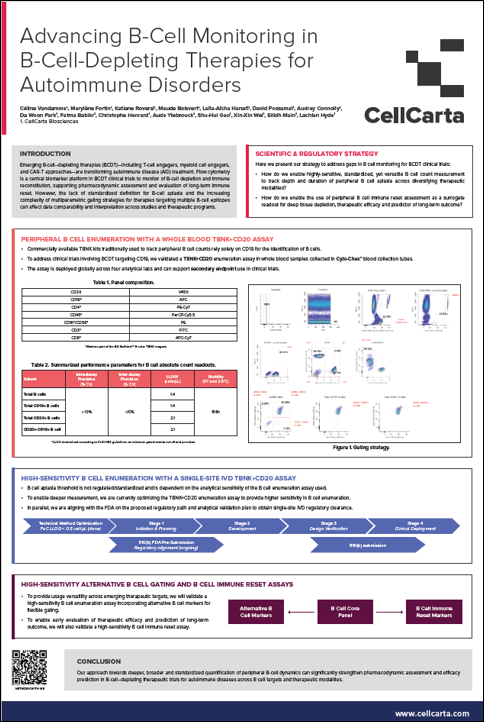
For studies investigating B-cell aplasia, CellCarta has validated a high-sensitivity TBNK assay that can be readily deployed for the exploratory endpoint.
To monitor B-cell reset and further characterize the B-cell populations, we can develop a custom flow cytometry panel aligned to your program’s requirements. Single-cell BCR sequencing may also be implemented to identify key immune reset metrics.
Track disease activity and therapeutic effect in situ using techniques ranging from singleplex, multiplex and, hyperplex immunohistochemistry (IHC), in situ hybridization (ISH), and spatial analysis.
Our in-house pathologists specialize in immune-mediated tissue pathology and spatial characterization of inflammation. AI-powered digital algorithms are used to generate rich multi-layered data sets.
When researchers need to characterize immune cell subpopulations, identify disease-relevant signatures, and track therapeutic mechanisms at the molecular level, CellCarta's genomics capabilities are built to meet the occasion.
Our service portfolio includes:
CellCarta's proteomics capabilities support both large-scale discovery and validated quantification of inflammatory cytokines, chemokines, proteins and drug-related analytes across plasma, serum, and tissue sample types using mass spectrometry.
Whether measuring immune dysregulation or your drug’s mechanism of action, our immune monitoring capabilities can provide the depth and reproducibility required, including:
For studies investigating B-cell aplasia, CellCarta has validated a high-sensitivity TBNK assay that can be readily deployed for the exploratory endpoint.
To monitor B-cell reset and further characterize the B-cell populations, we can develop a custom flow cytometry panel aligned to your program’s requirements. Single-cell BCR sequencing may also be implemented to identify key immune reset metrics.
Track disease activity and therapeutic effect in situ using techniques ranging from singleplex, multiplex and, hyperplex immunohistochemistry (IHC), in situ hybridization (ISH), and spatial analysis.
Our in-house pathologists specialize in immune-mediated tissue pathology and spatial characterization of inflammation. AI-powered digital algorithms are used to generate rich multi-layered data sets.
When researchers need to characterize immune cell subpopulations, identify disease-relevant signatures, and track therapeutic mechanisms at the molecular level, CellCarta's genomics capabilities are built to meet the occasion.
Our service portfolio includes:
CellCarta's proteomics capabilities support both large-scale discovery and validated quantification of inflammatory cytokines, chemokines, proteins and drug-related analytes across plasma, serum, and tissue sample types using mass spectrometry.
Our integrated technology platforms enable comprehensive immune monitoring, from high-dimensional cellular analysis to sensitive protein quantification.

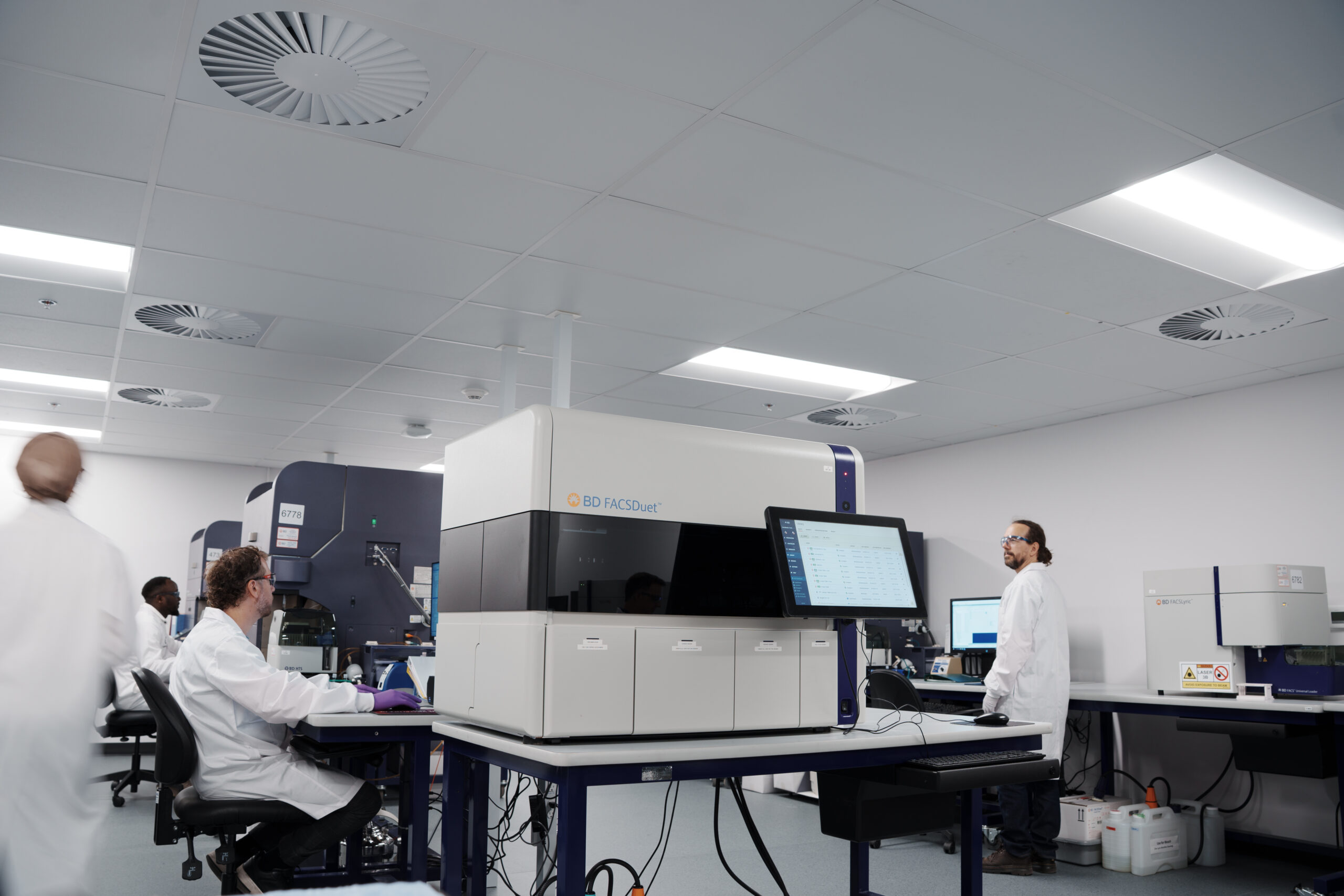
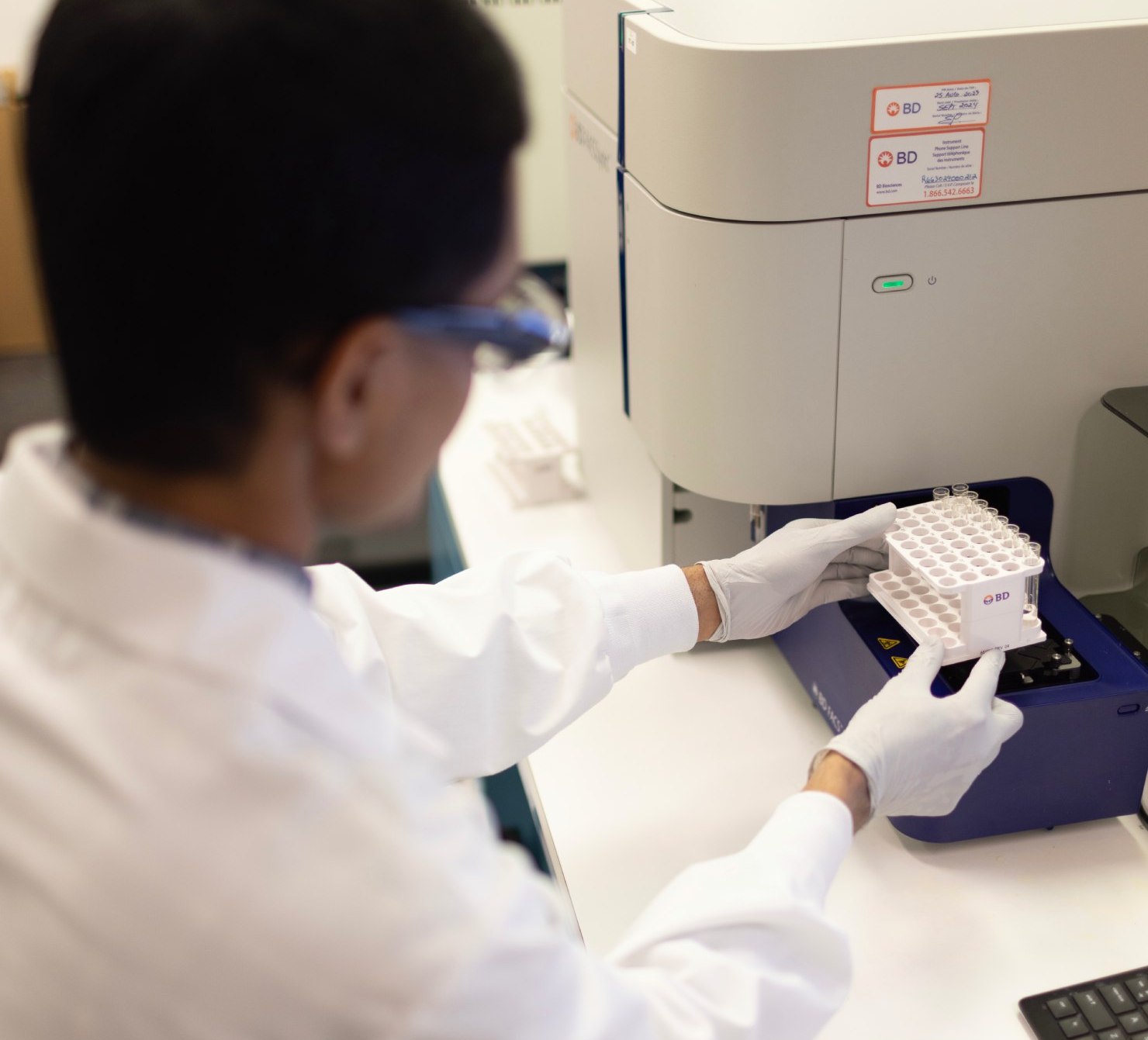
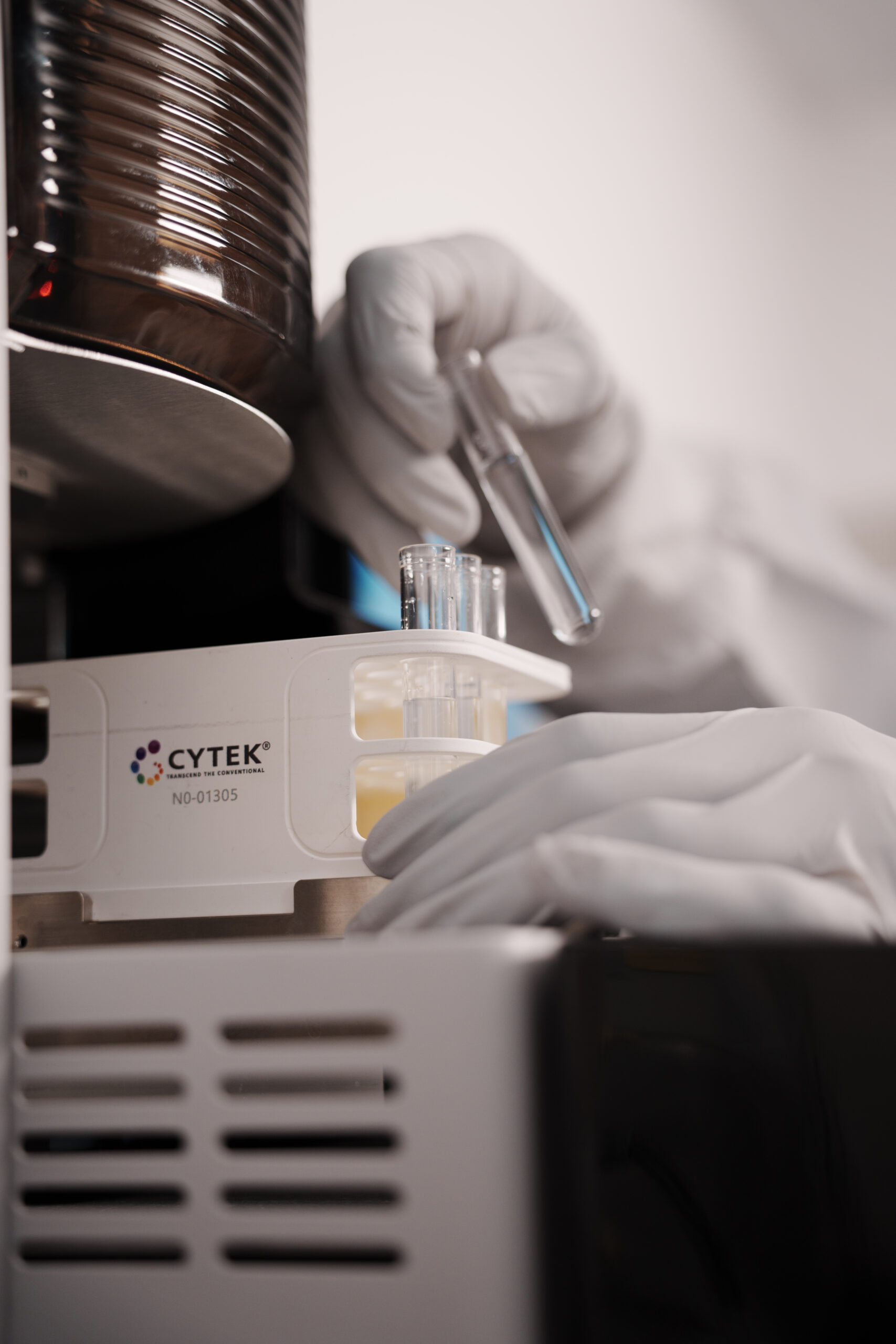
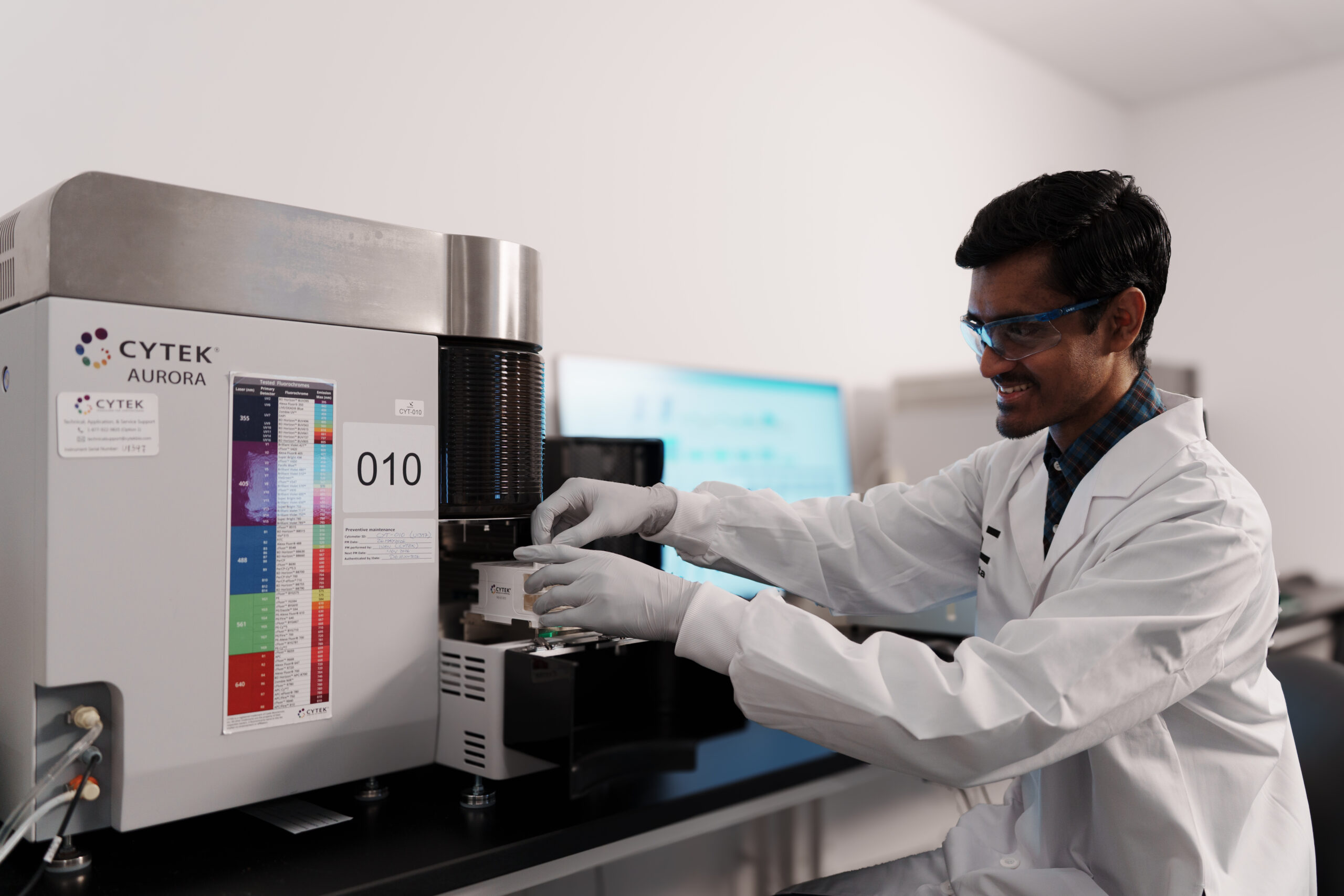
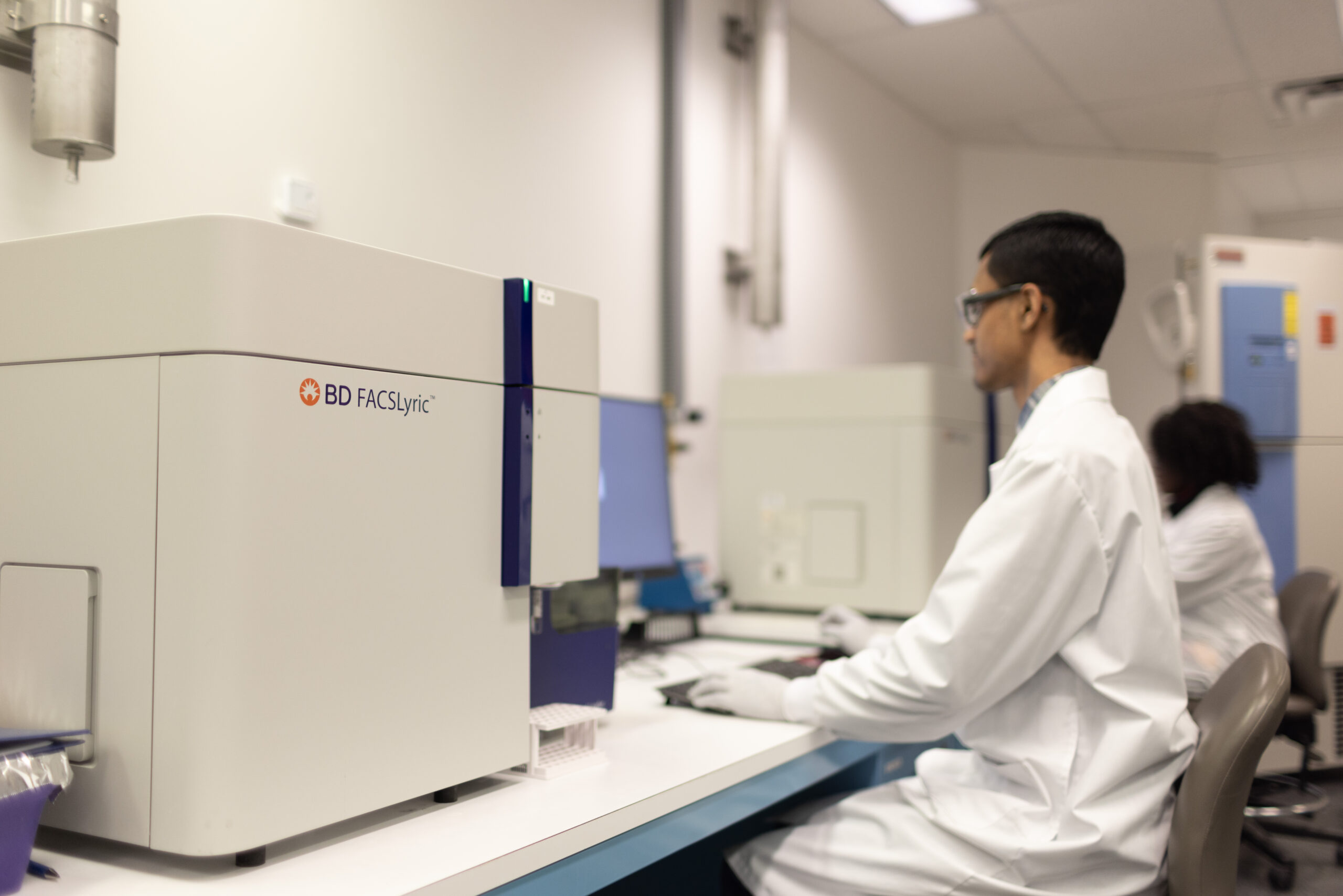
Our spectral and conventional flow cytometry platforms, including the BD Lyric and Cytek Aurora, deliver high-resolution immune cell profiling with up to 40 parameters per cell. Standardized across our global laboratory network, these instruments ensure site-to-site consistency for multi-site autoimmune trials.

Quantify dozens to hundreds of immune biomarkers simultaneously using MSD, Olink, Ella, and ELISA platforms. Our multiplex capabilities enable broad cytokine profiling, pharmacodynamic assessment, and biomarker discovery from minimal sample volume to deliver high-quality data.

Our Immuno-MRM and advanced proteomics platforms enable precise quantification of protein biomarkers in serum, plasma, and tissue. Mass spectrometry-based approaches complement immunoassays by providing orthogonal confirmation and measuring analytes at the peptide level, avoiding common issues of protein affinity purification.
Rare B-cell subsets are easily missed by standard flow cytometry in autoimmune research. CellCarta refined its assay with a CD21-based gating strategy and bulk lysis method that was standardized on the Lyric platform, achieving a 10-fold increase in cell input compared to methods like western blots and standard flow cytometry.
Validated assays and the operational know-how to support your autoimmune program.
Autoimmune Assay Depth
Multi-Modal Capabilities
Multi-Site Support
In-Depth Inflammation Monitoring
Regulatory-Ready



Autoimmune clinical trials commonly use an integrated suite of biomarker services to characterize disease activity, immune response, and treatment effect. Core services include immune monitoring through high-parameter flow cytometry, mass cytometry (CyTOF), and ELISpot; multiplex cytokine and autoantibody profiling via MSD, Olink, and Ella platforms; proteomics and bioanalytical mass spectrometry for inflammatory protein quantification; genomics, including single-cell transcriptomics and TCR/BCR repertoire sequencing; and multiplexed histopathology with digital image analysis.
CellCarta delivers these services across our integrated, globally harmonized, and owned facilities, with panels developed for lupus, rheumatoid arthritis, psoriasis, myasthenia gravis, and transplant.
Sponsors should evaluate four dimensions: scientific depth in immune-mediated disease biology, breadth of validated assay platforms (high-parameter flow and mass cytometry, multiplex immunoassays, mass spectrometry, multiplexed histopathology, single-cell and repertoire sequencing), modality coverage across small molecules, biologics, and emerging cell therapies, and global lab harmonization supporting multi-region trials.
CellCarta brings 25+ years of immunology biomarker experience, 750+ employees, and panels developed for lupus, RA, psoriasis, myasthenia gravis, and transplant.
Autoimmune diseases are heterogeneous. Patients with the same clinical diagnosis often differ markedly in their underlying immune biology, a leading cause of trial failures and inconsistent response rates. Robust immune monitoring and biomarker-driven patient stratification help identify responder subsets, demonstrate the mechanism of action, support dose selection, and de-risk later-stage development. Validated approaches include high-parameter flow cytometry, multiplex cytokine profiling, autoantibody panels, and tissue immune characterization.
CellCarta supports stratification strategies across lupus, RA, psoriasis, myasthenia gravis, and transplant programs.
A specialized CRO supports multi-indication, multi-region autoimmune trials through globally harmonized labs, standardized assay platforms, and cross-site bridging studies that confirm reproducibility. This allows sponsors to apply a consistent biomarker strategy across indications (lupus, rheumatoid arthritis, psoriasis, myasthenia gravis, transplant, GVHD) while collecting data that withstands global regulatory review.
CellCarta operates 8 globally harmonized facilities and has supported autoimmune trials across major immune-mediated indications, with quality systems aligned to international submission requirements.
Sponsors typically benefit from engaging a biomarker CRO during late discovery or early translational development, before first-in-human studies, to align biomarker strategy with the asset’s mechanism, target pathway, and intended patient population. Early engagement allows time to develop and validate fit-for-purpose assays, design a patient stratification strategy, and plan immunogenicity and pharmacodynamic monitoring that will support later regulatory submissions. Late engagement often constrains assay choice and limits stratification feasibility.
CellCarta partners with sponsors from discovery through commercialization across autoimmune programs.