Identify novel proteins, pathways, and biomarker signatures across complex biological samples without predefined targets.
Generate data you can build on with unbiased discovery services capable of capturing thousands of proteins and post-translational modifications across diverse biological matrices.
Benefit from standardized workflows and embedded bioinformatics that keep results reproducible, interpretable, and structured for regulatory review.
Profile thousands of proteins and post-translational modifications in a single run by using high-resolution liquid chromatography-mass spectrometry (LC-MS).
CellCarta's fully unbiased LC-MS/MS workflows are standardized for reproducibility across diverse matrices, including plasma, serum, fresh or frozen tissue, saliva, urine, and cerebrospinal fluid (CSF).
Olink Explore enables large-scale measurements of over 5,400 protein targets from a limited sample input. When your study requires high multiplexing from a predefined target panel, Olink Explore is the right choice, and is particularly suited for the early discovery phase of therapeutic development.
Measure over 1,000 protein targets from as little as 4 µL of blood, with high sensitivity and broad dynamic range. Olink® Reveal is well-suited to programs centered on a defined set of targets, offering a focused complement or alternative to LC-MS/MS-based discovery proteomics.
Prioritize targets with confidence using direct tissue-specificity data. CellCarta’s Antigen Atlas is a curated reference database of MHC class I-presented peptides identified across healthy and tumor-adjacent tissues. Cross-reference your candidates against real peptide presentation data before advancing to reduce the risk of costly misdirection in target selection.
Interpret your proteomics data with analytical pipelines built for reproducibility and regulatory traceability.
CellCarta’s dedicated bioinformatics team is embedded in the workflow from the start, covering protein identification and quantification, normalization, statistical analysis, and pathway interpretation.
Profile thousands of proteins and post-translational modifications in a single run by using high-resolution liquid chromatography-mass spectrometry (LC-MS).
CellCarta's fully unbiased LC-MS/MS workflows are standardized for reproducibility across diverse matrices, including plasma, serum, fresh or frozen tissue, saliva, urine, and cerebrospinal fluid (CSF).
Olink Explore enables large-scale measurements of over 5,400 protein targets from a limited sample input. When your study requires high multiplexing from a predefined target panel, Olink Explore is the right choice, and is particularly suited for the early discovery phase of therapeutic development.
Measure over 1,000 protein targets from as little as 4 µL of blood, with high sensitivity and broad dynamic range. Olink® Reveal is well-suited to programs centered on a defined set of targets, offering a focused complement or alternative to LC-MS/MS-based discovery proteomics.
Prioritize targets with confidence using direct tissue-specificity data. CellCarta’s Antigen Atlas is a curated reference database of MHC class I-presented peptides identified across healthy and tumor-adjacent tissues. Cross-reference your candidates against real peptide presentation data before advancing to reduce the risk of costly misdirection in target selection.
Interpret your proteomics data with analytical pipelines built for reproducibility and regulatory traceability.
CellCarta’s dedicated bioinformatics team is embedded in the workflow from the start, covering protein identification and quantification, normalization, statistical analysis, and pathway interpretation.
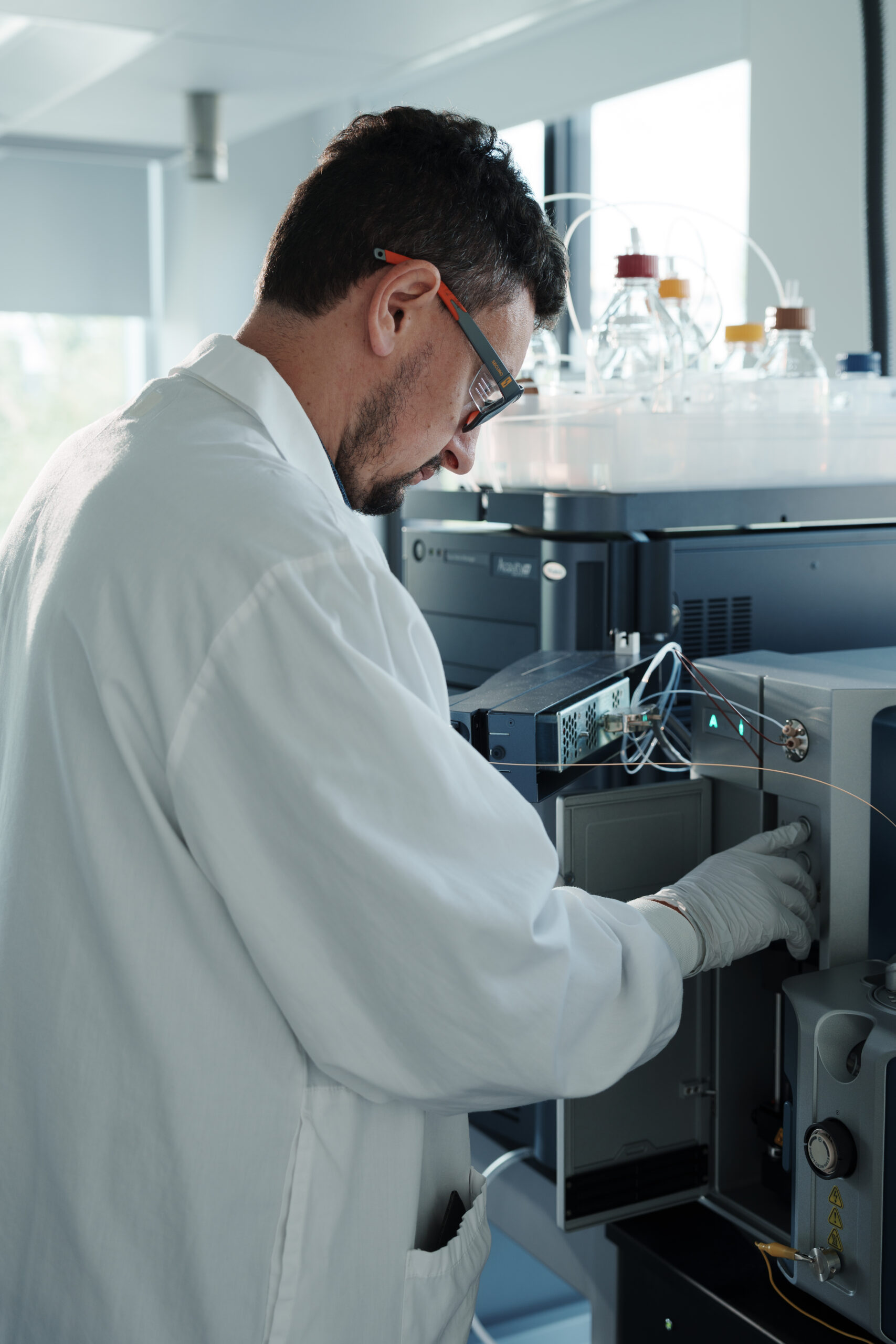
Run your discovery program without handoff gaps. CellCarta manages sample preparation, LC-MS/MS analysis, bioinformatics, and final reporting in-house, ensuring scientific continuity at every stage.
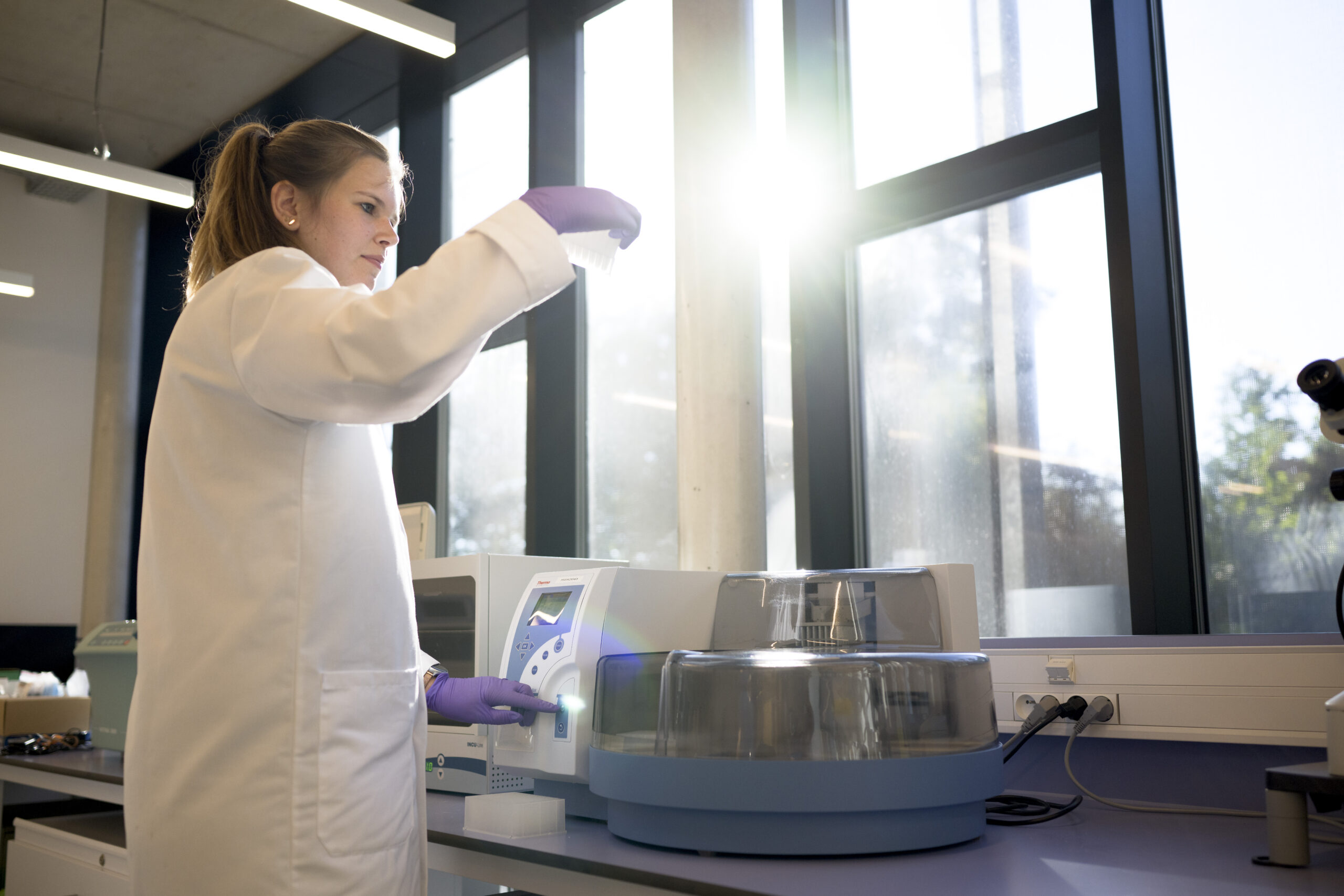
Characterize MHC-bound peptides with CellCarta’s high-throughput workflow. Using automated immunoaffinity enrichment via a KingFisher magnetic particle processor, we reduce manual variability and enable consistent processing at scale.
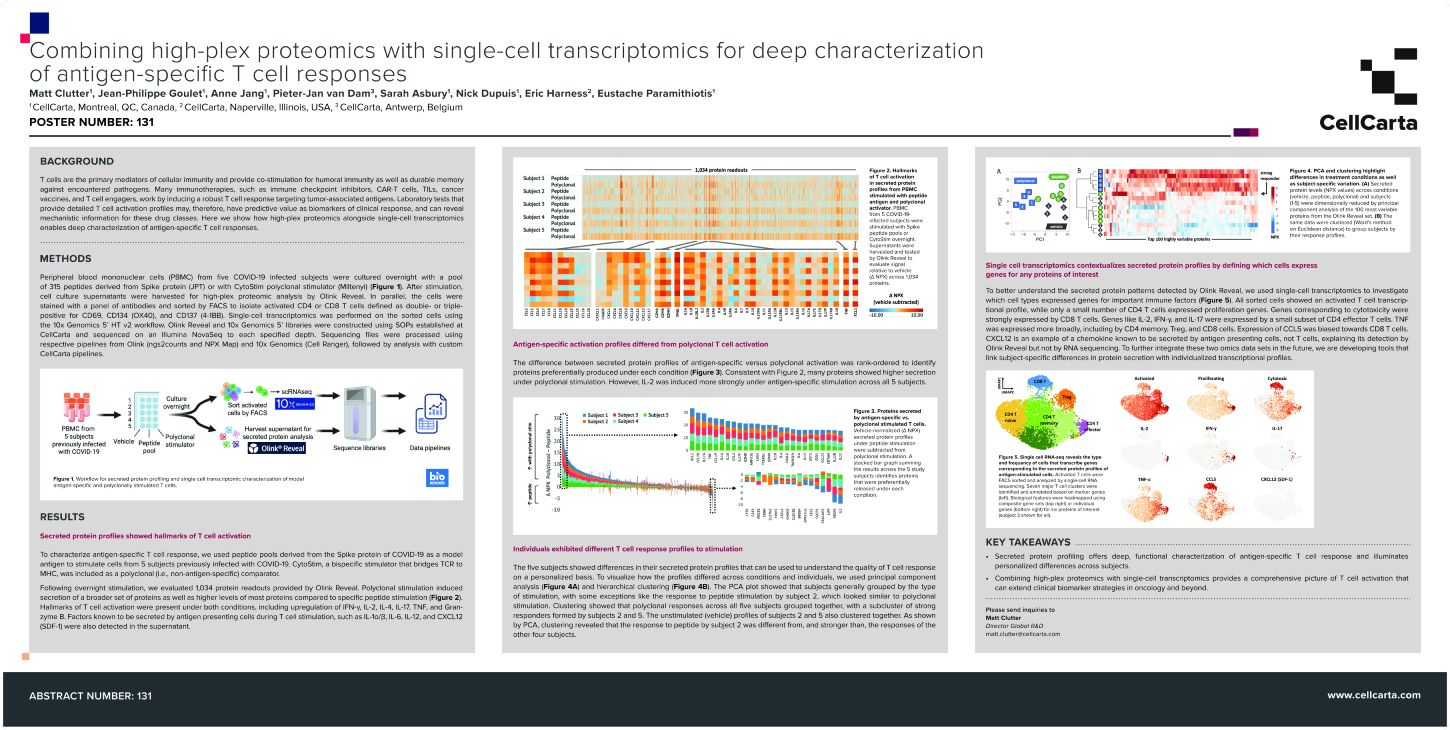
To characterize antigen-specific T cell responses in COVID-19-infected PBMCs, CellCarta combined RNA sequencing with Olink Reveal for high-plex proteomic analysis. This workflow provides an in-depth understanding of T cell activation, making it a valuable tool for oncology, infectious diseases, and more.
We bring the validated workflows, dedicated bioinformatics, and scientific expertise discovery proteomics demands.
Tailored Technology
Regulatory-Ready
End-to-End Support
Robust Workflows
Proteomics Expertise
Extend your discovery proteomics findings with complementary technologies that take you from protein identification to quantification, validation, and spatial context.
Scalable proteomic monitoring and bioanalysis under GCLP and QC conditions.
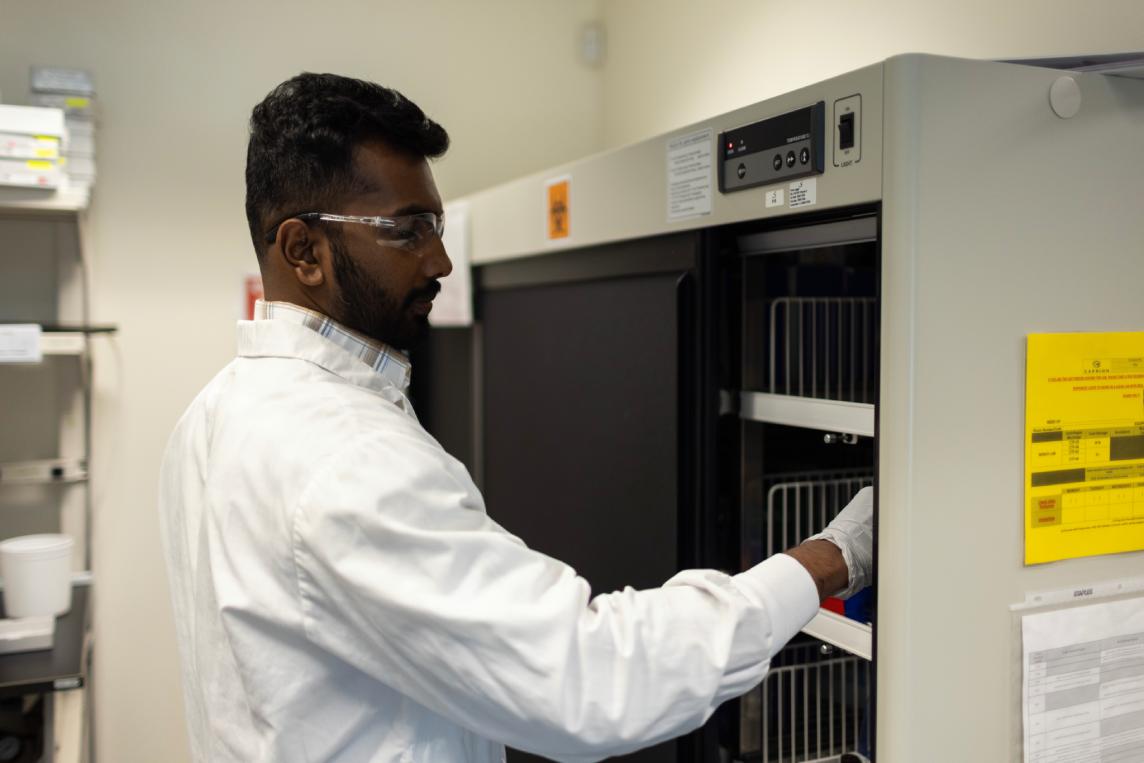
Multi-platform biomarker strategies from discovery through clinical development.
Bioinformatics analysis workflow for deep insight into cell phenotypes and spatial relationships.

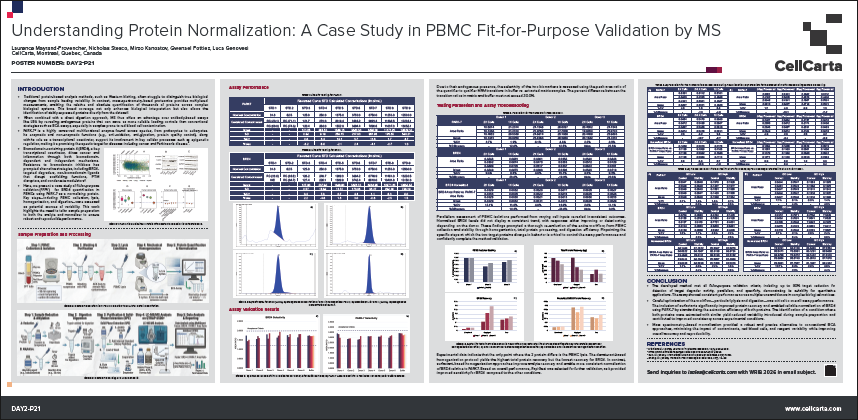 Posters
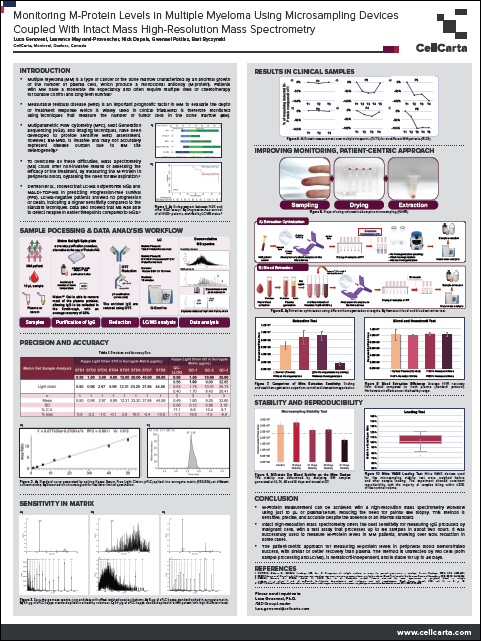 Posters
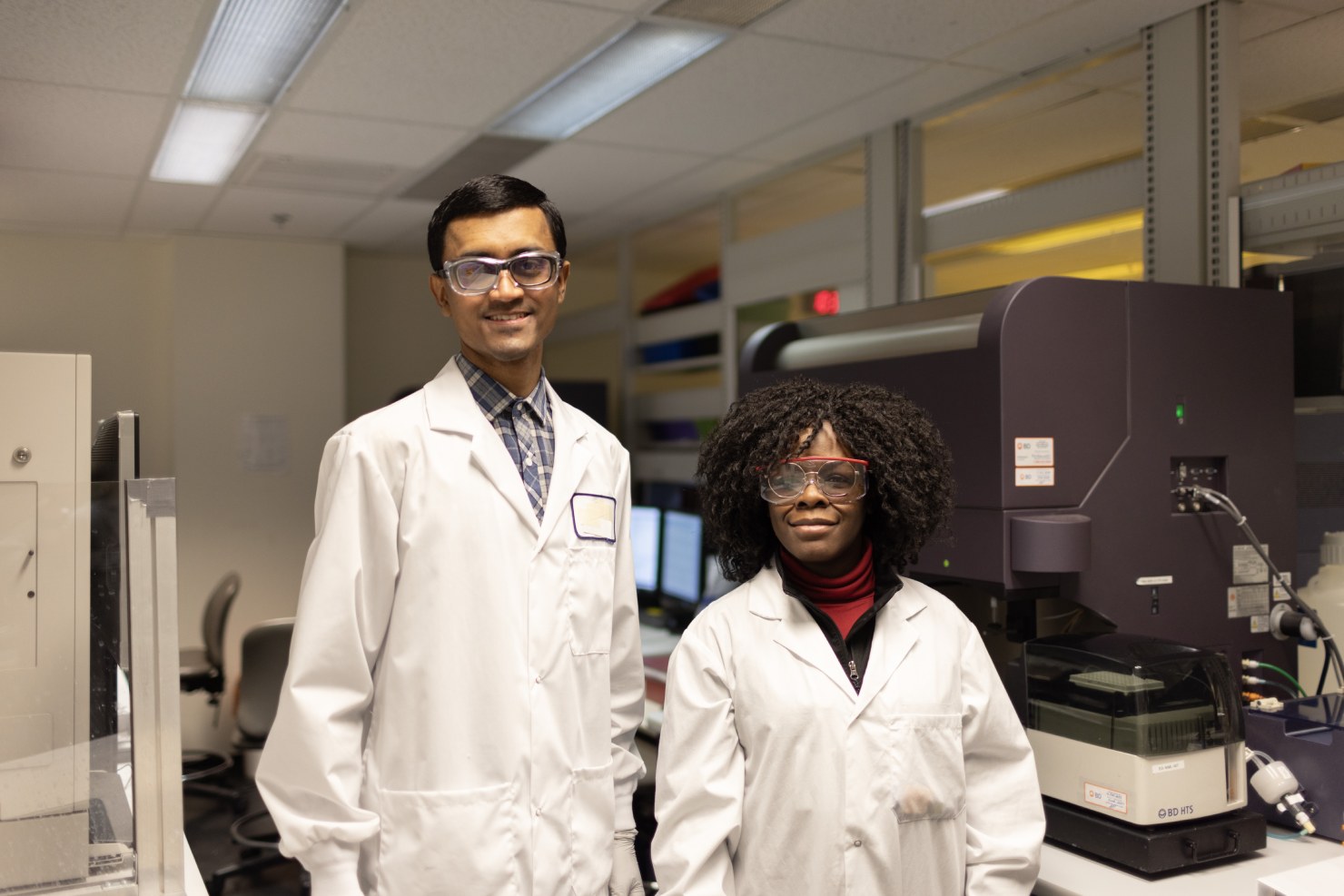
Discovery proteomics refers to the large-scale, untargeted identification and quantification of proteins in a biological sample. Unbiased proteomics is possible through the LC-MS/MS platform, which captures thousands of proteins simultaneously without prior selection. This stands in contrast to targeted assays that can only measure a predefined set of proteins. This includes Olink Reveal, a highly sensitive assay capable of measuring approximately 1000 predefined protein targets, suitable for large-scale studies with pre-defined panels.
Discovery proteomics is particularly valuable for early research phases, where the goal is to identify novel biomarkers, characterize disease mechanisms, or understand how a biological system responds to a treatment before narrowing your focus to specific candidates.
CellCarta’s discovery proteomics workflows support a range of biological matrices, including blood, serum, plasma, tissue biopsies, and FFPE specimens. The appropriate sample type depends on the scientific question, the available sample volume, and the downstream objectives of the program. For low-volume samples, Olink Reveal can quantify approximately 1,000 protein targets from as little as 1 µL of blood. For broader, hypothesis-generating profiling across tissue or biopsy specimens, LC-MS/MS-based discovery proteomics provides comprehensive coverage. CellCarta’s scientific team can advise on the most appropriate approach based on your specific sample constraints and study design.
Bioinformatics is integrated into CellCarta’s discovery proteomics workflow from the point of data acquisition, not added as a separate downstream step. A dedicated bioinformatics team applies standardized analytical pipelines designed for reproducibility, traceability, and regulatory readiness. This includes protein identification and quantification, normalization, statistical analysis, and pathway or network interpretation where relevant. The goal is to produce datasets that are not only scientifically meaningful but structured in a way that supports regulatory review and enables confident decision-making on biomarker candidates or mechanistic signatures.
Yes. One of the key advantages of conducting discovery proteomics with CellCarta is that we also offer downstream biomarker quantification, targeted assay development, and bioanalytical testing. This means discovery findings can be transitioned directly into verification or clinical assay workflows without the delays and data transfer risks associated with changing laboratory partners. CellCarta’s multi-omic capability, spanning proteomics, immunology, histopathology, and genomics under one roof, further supports programs that need to interpret protein data in the context of other biological modalities. This integrated path from discovery to clinical testing is a practical advantage for programs working toward regulatory submission.