Custom assays developed to the highest standard of quality for investigations into drug-target engagement and therapeutic PK/PD relationships.
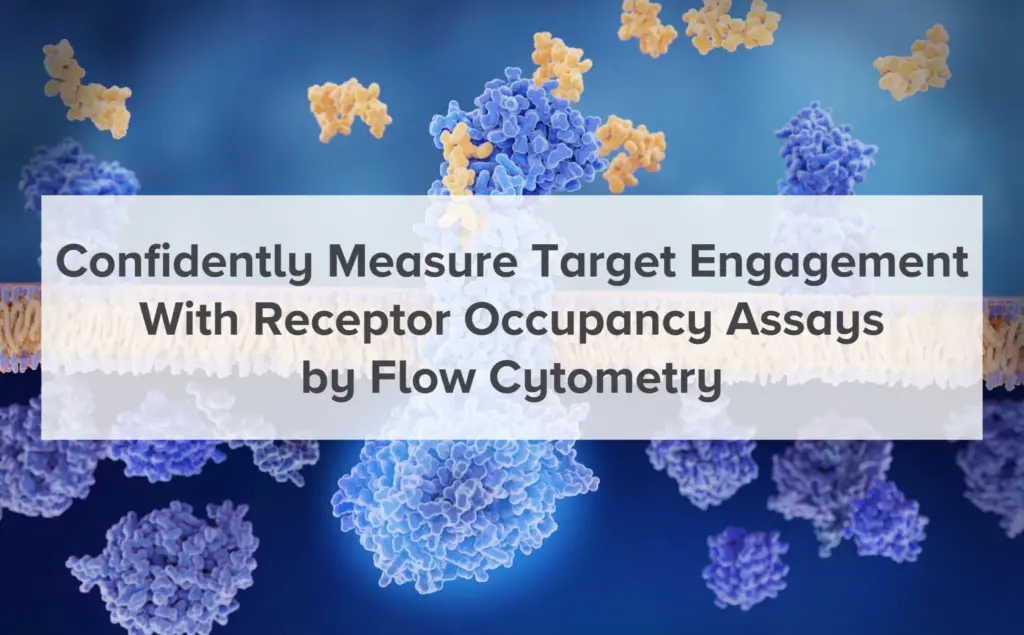
Understanding how biotherapeutics engage their targets is critical for moving confidently through the therapeutic development process. Receptor occupancy (RO) assays have several preclinical and clinical applications, including compound screening and dose determination.
Using the power of CellCarta's flow cytometry platform, our scientists can use pre-designed or custom RO assays to measure receptor binding and biotherapeutic PK/PD, providing the data your program requires for quantitative insights.
CellCarta can develop fit-for-purpose RO assays suited to your drug target, reagent availability, and study needs. Our assays are qualified for exploratory and secondary endpoints and have been extensively employed in clinical trials.
Reagent specificity is determined through extensive screening during assay development to ensure data quality from the start.
All designs are subject to rigorous QC in accordance with the relevant regulation, including GCLP.
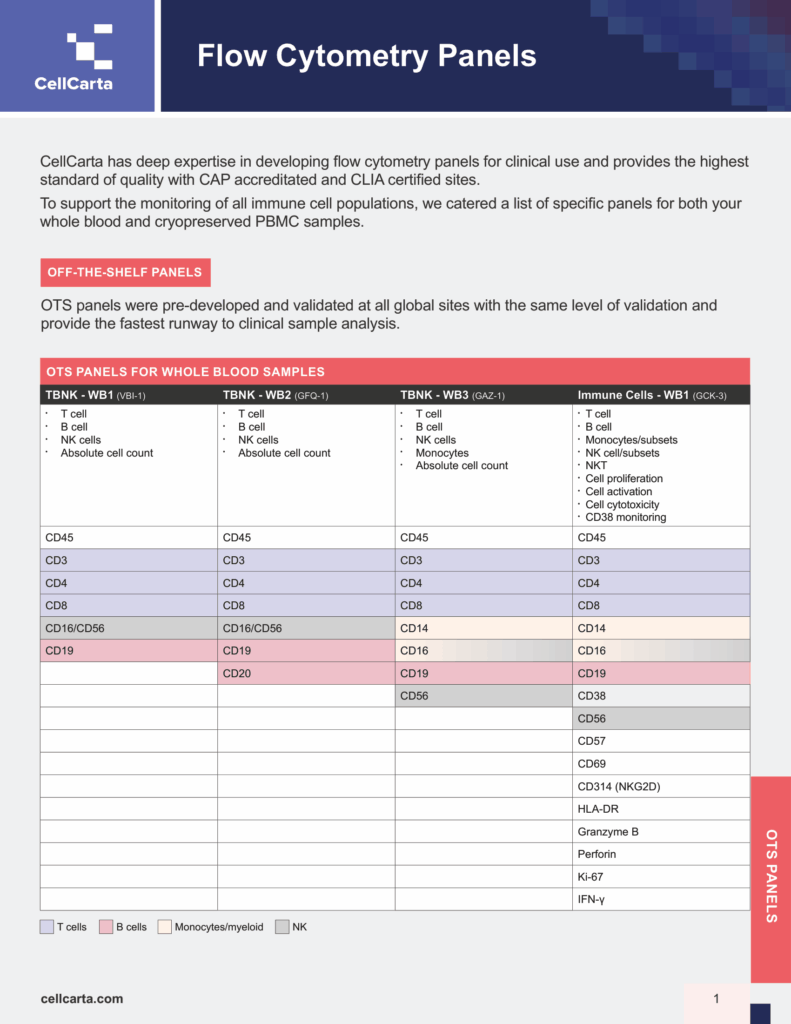
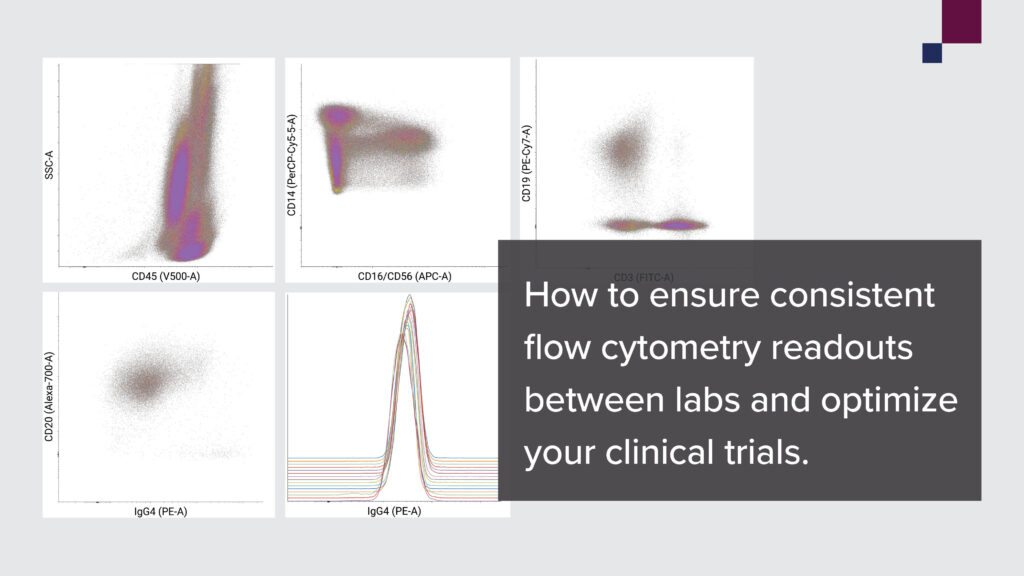
Our flow cytometry platform enables simultaneous detection of RO and additional PD markers within a single multiparametric panel. This capacity reduces sample requirements and provides a richer pharmacodynamic picture within a single assay run.
Optimal matrix selection is a key determinant of RO assay performance. Our team evaluates whole blood and PBMC matrices against program-specific requirements to select the most appropriate option for each assay. This ensures our design is optimized to your study’s parameters.
When the science requires, we can transfer predesigned assays to our labs for RO testing. We apply the same rigorous QC, matrix assessment, and reagent specificity to these assays as we do with custom developments, ensuring reliable, regulatory-ready data is generated for your study.
CellCarta can develop fit-for-purpose RO assays suited to your drug target, reagent availability, and study needs. Our assays are qualified for exploratory and secondary endpoints and have been extensively employed in clinical trials.
Reagent specificity is determined through extensive screening during assay development to ensure data quality from the start.
All designs are subject to rigorous QC in accordance with the relevant regulation, including GCLP.
Our flow cytometry platform enables simultaneous detection of RO and additional PD markers within a single multiparametric panel. This capacity reduces sample requirements and provides a richer pharmacodynamic picture within a single assay run.
Optimal matrix selection is a key determinant of RO assay performance. Our team evaluates whole blood and PBMC matrices against program-specific requirements to select the most appropriate option for each assay. This ensures our design is optimized to your study’s parameters.
When the science requires, we can transfer predesigned assays to our labs for RO testing. We apply the same rigorous QC, matrix assessment, and reagent specificity to these assays as we do with custom developments, ensuring reliable, regulatory-ready data is generated for your study.
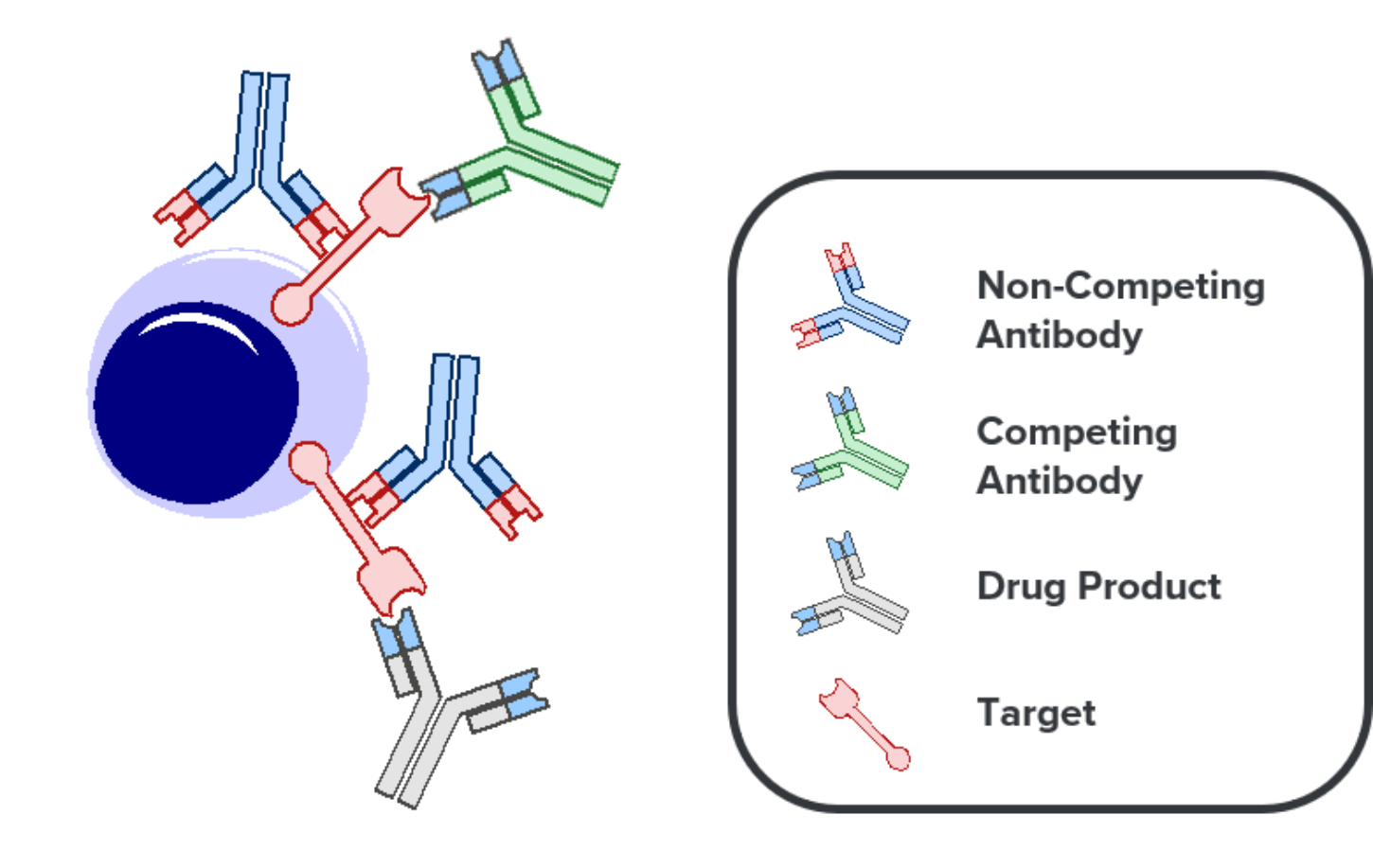
CellCarta can develop competitive RO assays tailored to your project’s specifications. In this assay, both competing and non-competing antibodies are added to a subject’s whole blood sample, allowing us to determine the level of RO for a specific therapeutic.
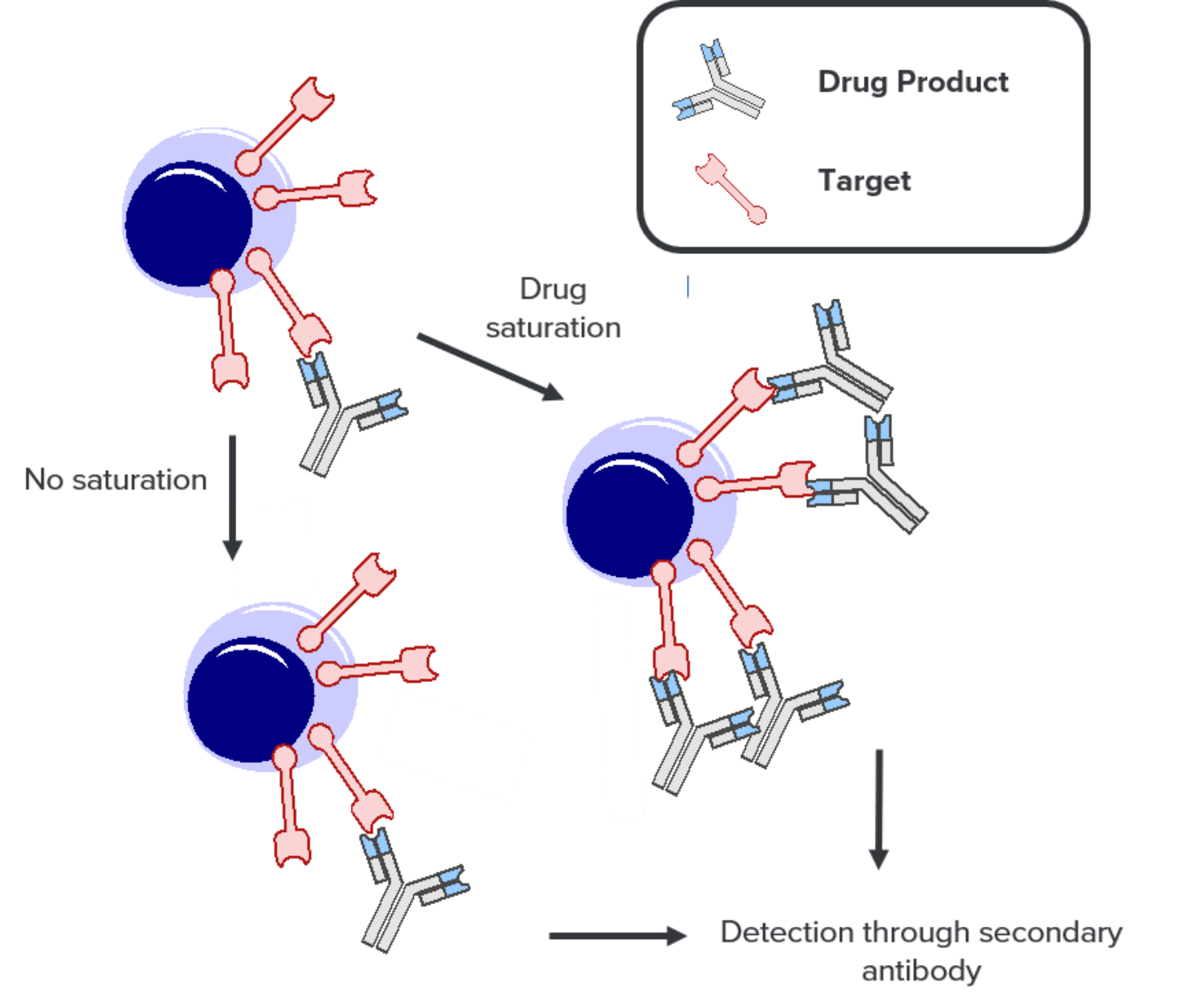
We can also develop saturation RO assays for multiple clinical purposes. This includes assays for direct drug detection, suited for when monoclonal antibodies to the receptor are unavailable, or with a functional readout following stimulation, useful for measuring the RO of bi-modal antibodies.
Reliable, high quality solutions to suit studies of all scales and complexities.
Custom Development
Regulatory-Ready
Clinical Implementation
Immunology Expertise
Cross-Validated Protocols
CellCarta's immune workflow extends beyond receptor occupancy assays to a full suite of integrated immune monitoring services.
Assess immune cell division and cycling to evaluate treatment response and immune activation.
Validated platforms and specialized immunology expertise for key biological insights.

Advanced flow cytometry analysis and data visualization with incredible speed.
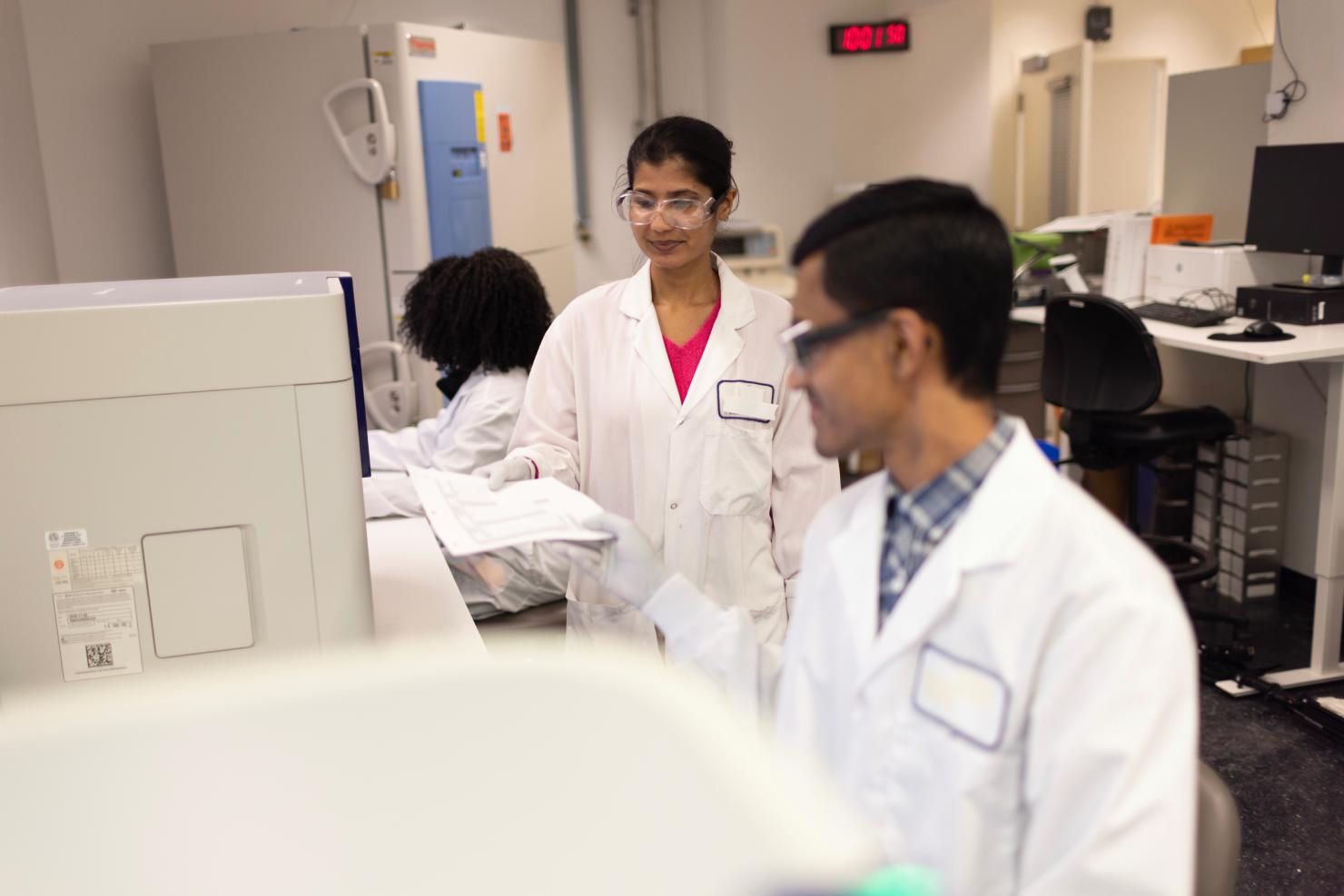
Receptor occupancy assays are used to generate pharmacodynamic (PD) biomarker data that quantifies how much of a target receptor is bound by a drug product at a given time. This data is coupled to pharmacokinetic (PK) profiles to model PK/PD relationships. In pre-clinical and early clinical stages, receptor occupancy assays support compound screening, demonstrate target engagement in disease models, and help establish starting doses for clinical trials. In later-stage programs, RO data informs dose selection and administration schedule decisions.
CellCarta uses three validated methodological approaches. The first uses competing and non-competing antibodies to calculate the ratio of unoccupied to total receptors in a whole blood sample. The second uses a saturated vs. non-saturated design with direct detection of the drug through secondary antibody staining, which is useful when receptor-specific monoclonal antibodies are unavailable. The third uses the same saturated vs. non-saturated design but with a functional readout, monitoring cytokine production as a correlate of receptor binding. This last approach is well suited for bi-modal antibodies.
CellCarta has the capabilities to execute all three approaches, selecting the most appropriate method based on program requirements and available reagents.
Yes. CellCarta's receptor occupancy assays are developed and executed with rigorous quality control in accordance with relevant regulatory requirements, including GCLP. All workflows are designed to produce reliable, audit-ready data that supports regulatory submissions across pre-clinical and clinical stages of drug development. CellCarta's laboratory operations also hold GCLP, CLIA, ISO, and CAP accreditations, providing sponsors with a high-confidence compliance framework for their biomarker programs.