

CDx
Contact Us

Preclinical and Early Phase CRO Services

Accelerate preclinical developments with a CRO built for early phase biomarker discovery across immune monitoring, proteomics, histopathology, and genomics.

Talk to Our Scientists
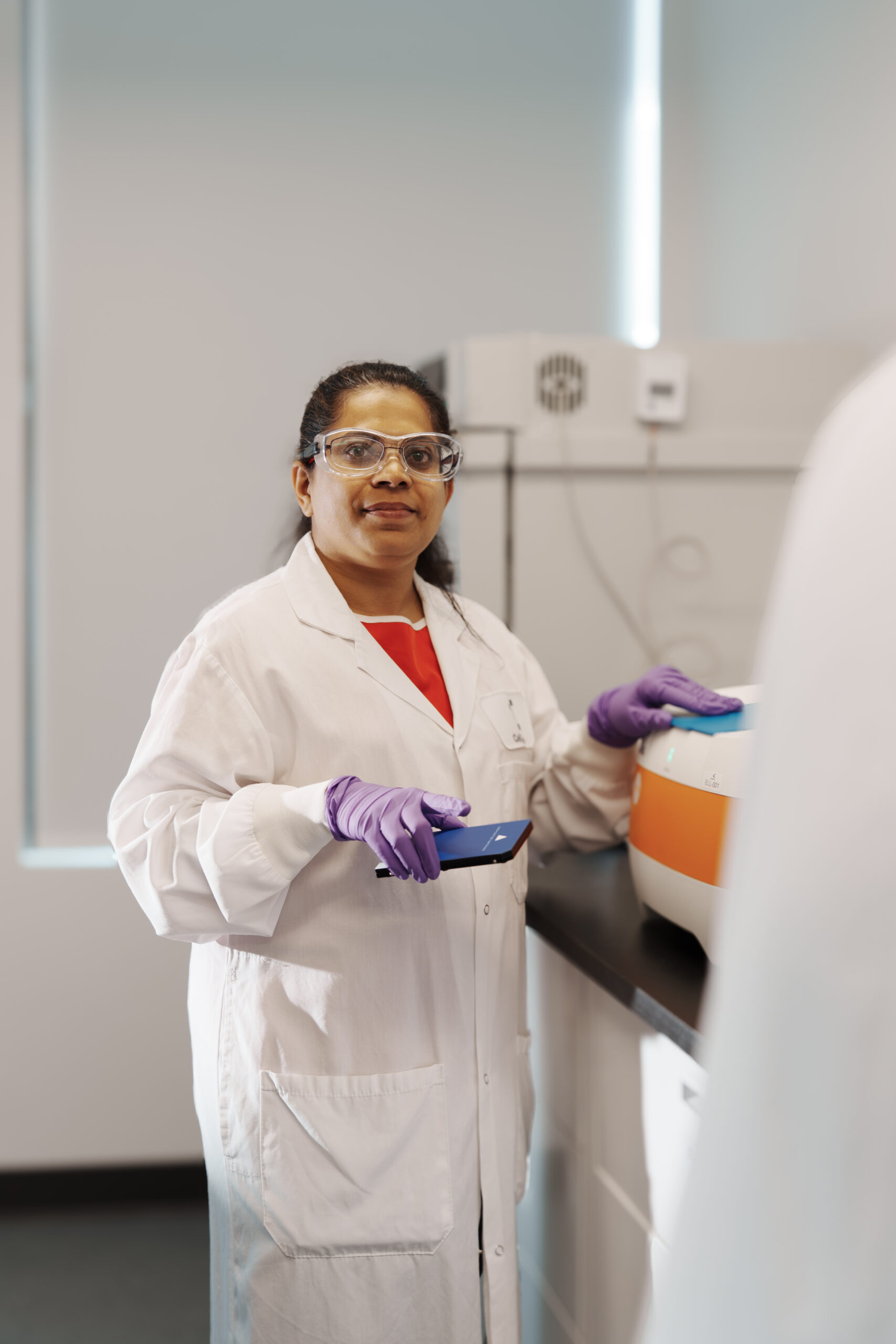
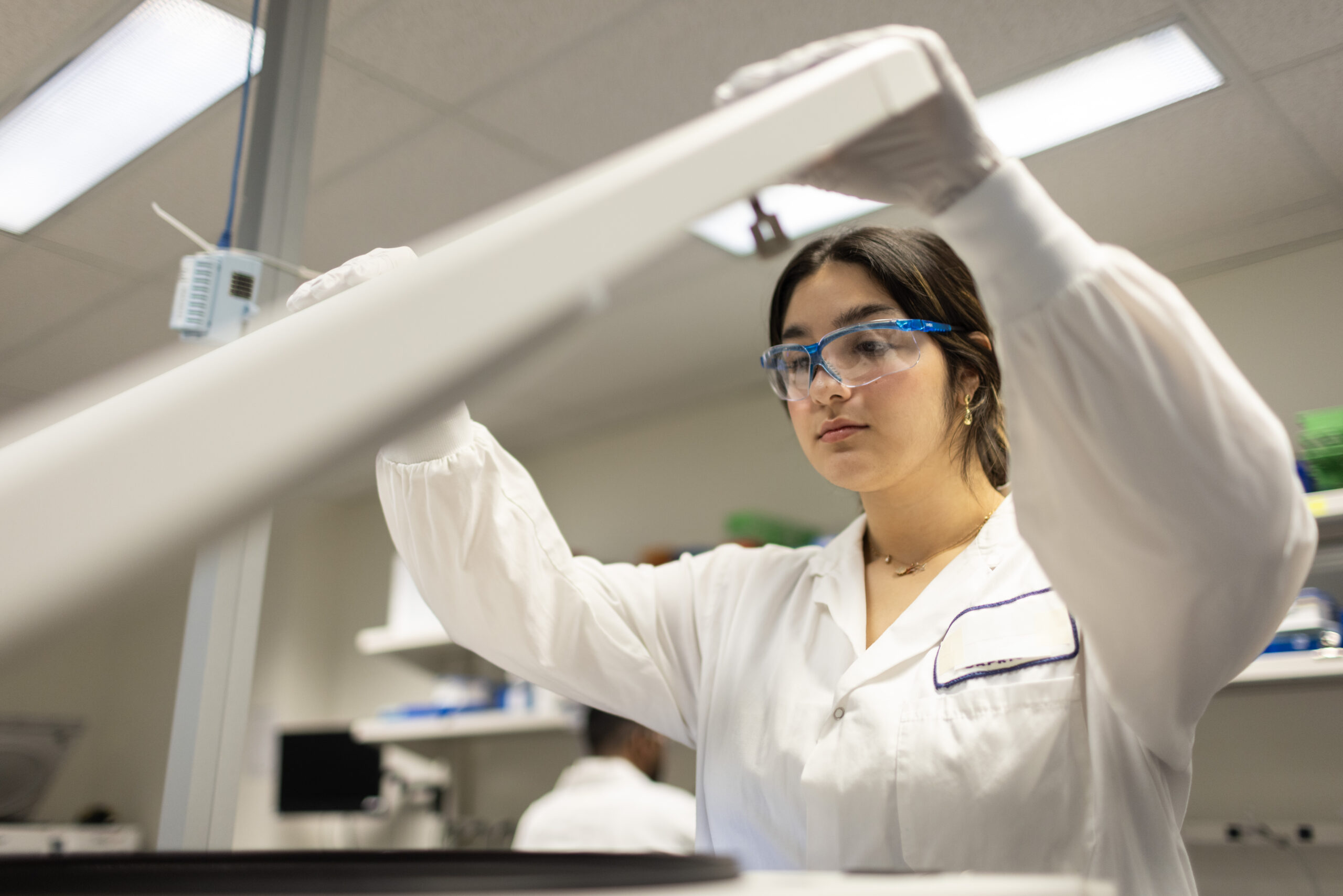
Scientist examining samples for CellCarta early phase CRO.

Multi-Omic Expertise for Discovery Research and Translational Science

Taking a therapeutic from discovery to the clinic demands more than a collection of assays. It requires multi-omic depth, regulatory-ready data, and a partner with the scientific rigor to guide decisions at every stage.

As an early phase CRO, CellCarta’s biomarker services combine multi-omic expertise with precise assay design and execution to support regulatory-ready data. Our scientists work closely with you at every stage, supported by our wholly owned global labs across North America, Europe, Australia, and China.

80% Multimodal projects
200+ Citations last year
>40% MSc, PhD, MD scientists
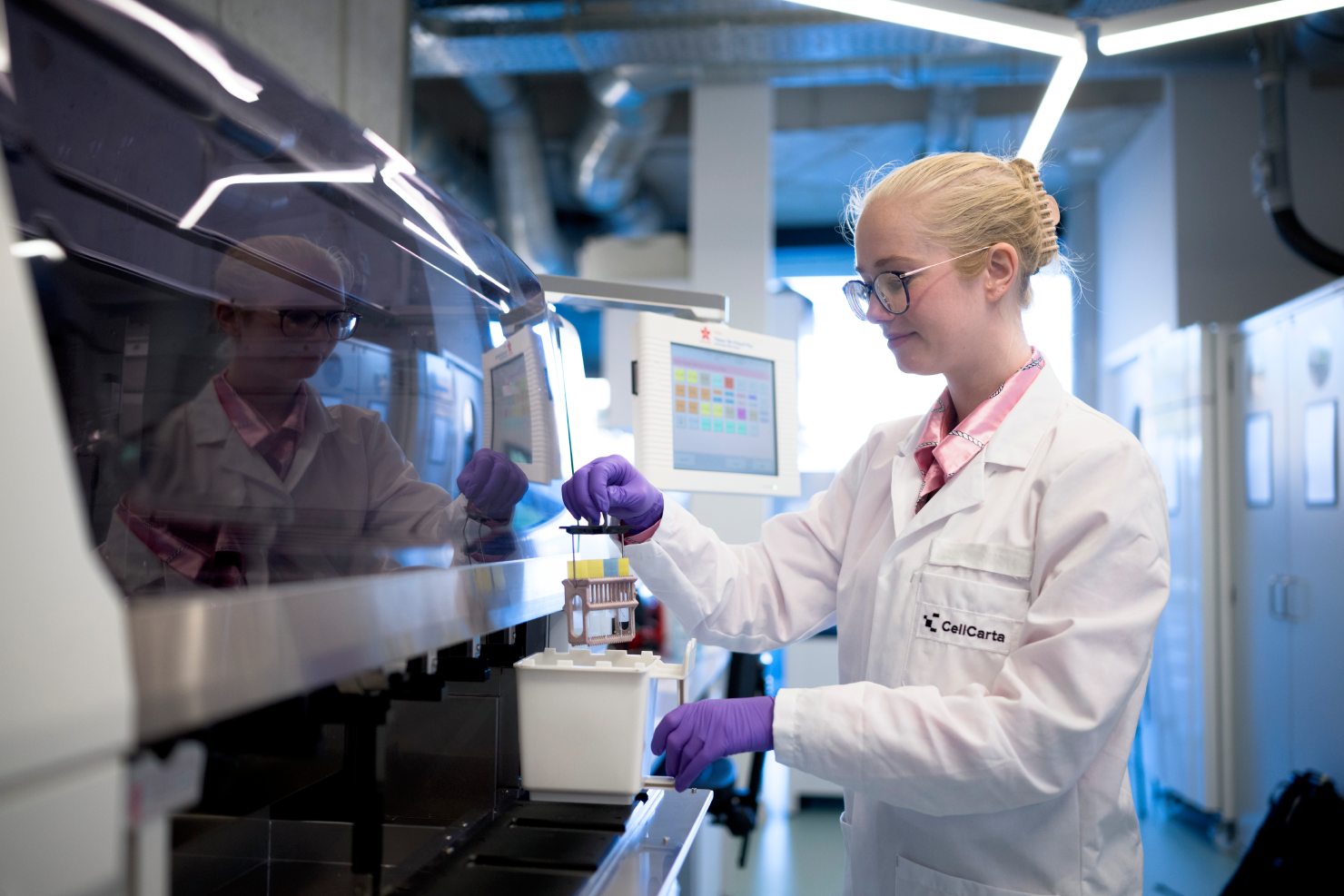
Scientist using a centrifuge for sample processing.

Where Early Phase Programs Stall

Fragmented vendor networks, inconsistent data formats, and siloed platforms slow development and can introduce risk before your program ever reaches the clinic.

CellCarta’s Integrated Approach

CellCarta removes the friction between discovery and the clinic by consolidating early phase and preclinical research services across multiple scientific disciplines into a single, integrated framework.

Our scientists work with you to identify the right biomarker strategy early, select platforms matched to your sample types and endpoints, and generate data that translates directly into your IND-enabling package.

How We Support Your Preclinical Program and Exploratory Research

Our services adapt to your study design, sample types, and endpoints, covering the full range of analytical disciplines your program demands.

Step 01

Biomarker Discovery

Discover new biomarkers with multi-omic assays.

Step 02

Tissue Analysis

Analyze expression and morphology via IHC.

Step 03

Genomic Expansion

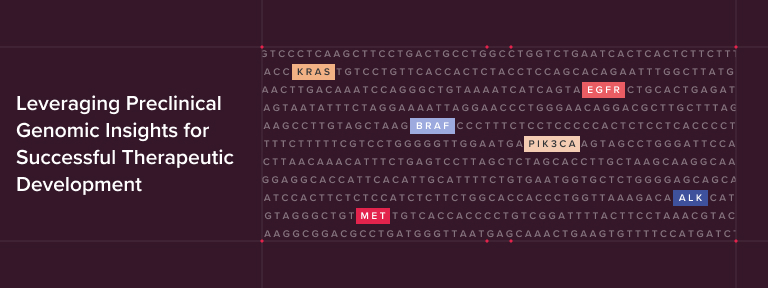
Expand preclinical datasets with genomic analysis

Step 04

Serum Cytokine Profiling

Evaluate compound activity in blood. 

Step 05

Immune Response Monitoring

Track responses with flow cytometry and ELISpot.

Step 06

Characterize Stability

Assess stability of therapeutics via MS.

Case Studies

Large Oncosomes For Tumor Biology Monitoring

Case Study

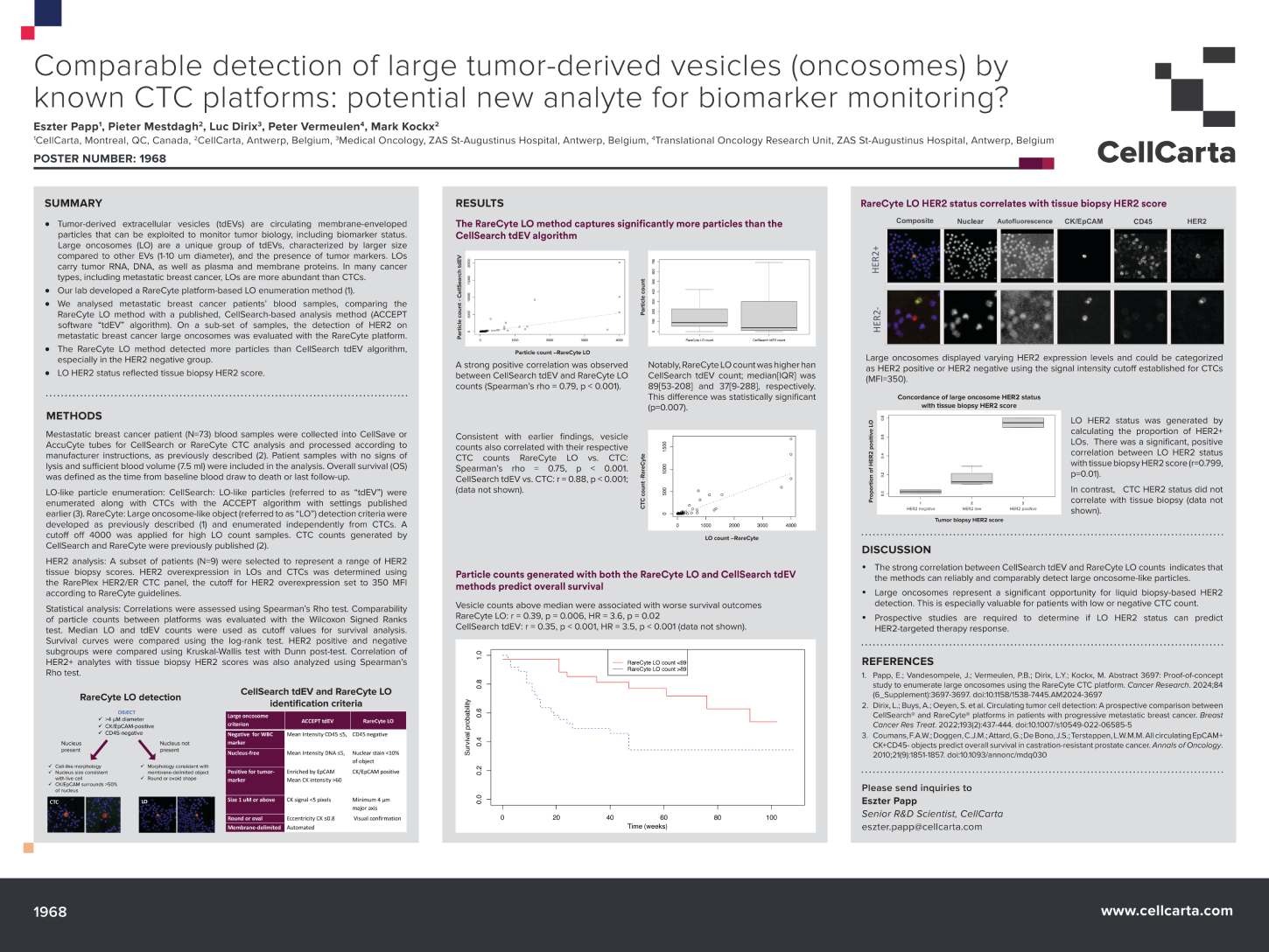
Large Oncosomes for Tumor Biology Monitoring

CellCarta developed a Rarecyte-based enumeration method to reliably detect large oncosomes (LOs), an emerging biomarker to monitor tumor biology overtime. LOs are a promising biomarker for liquid biopsy-based HER2 detection, particularly for patients with low or negative circulating tumor cell counts.
Watchmaker Logo

Case Study

Watchmaker Workflow

CellCarta collaborated with Watchmaker to validate the RNA Library Prep with Polaris Depletion for whole transcriptome sequencing in challenging sample types. This workflow is shown to be a suitable alternative to exome-capture based RNAseq workflows, with several possible clinical applications.

Ready to Move Your Program Forward?

Connect with our early phase CRO team to see how our multi-omic expertise, rigorous science, and global reach can accelerate your path from discovery to the clinic.

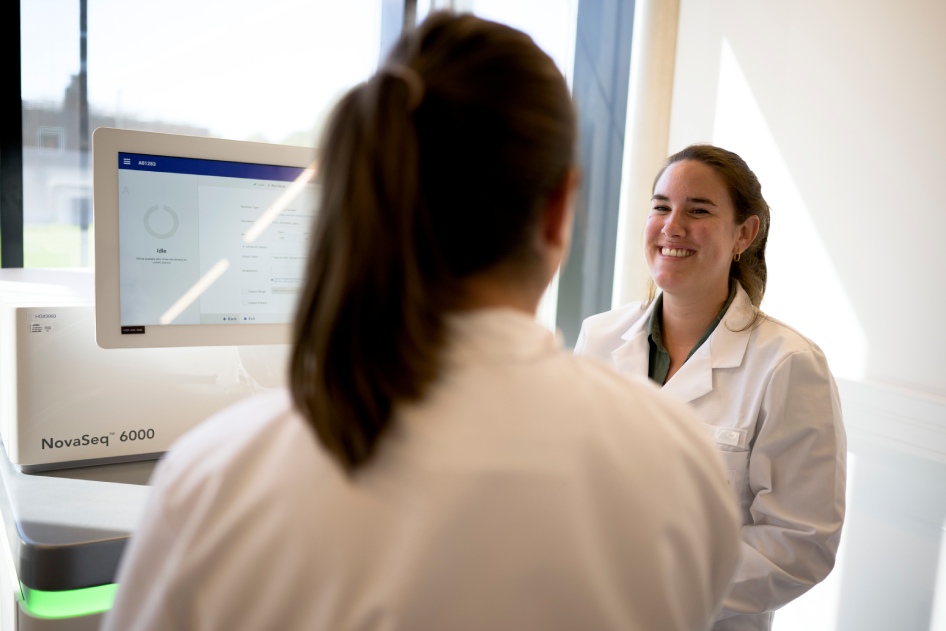
Scientist holding a sample container in the laboratory for Ella.

Frequently Asked Questions

Preclinical services support the early stages of drug development, where therapies are evaluated for safety, biological activity, and potential efficacy before entering human trials.

As an early phase CRO, CellCarta provides these services, including biomarker discovery, tissue analysis, genomic profiling, and immune monitoring, to better understand how a therapy behaves in biological systems. High-quality preclinical data is critical for making informed decisions, refining therapeutic strategies, and building a strong foundation for regulatory submissions. Without this stage, programs risk entering the clinic without the evidence needed to succeed.

A multi-omic approach integrates data from genomics, proteomics, and other biomarker platforms to provide a more complete view of disease biology and treatment response. Instead of relying on a single data type, researchers can uncover deeper insights into mechanisms of action, identify more robust biomarkers, and reduce the risk of missed signals. This leads to better target validation, more precise patient stratification strategies, and stronger translational relevance as programs move toward the clinic.

Working with an early phase CRO that offers integrated multi-omic capabilities helps ensure these insights translate into stronger preclinical development decisions.

Working with an integrated early phase CRO partner streamlines preclinical development by reducing fragmentation across vendors, platforms, and data outputs. Instead of coordinating multiple providers, programs gain access to a unified team that aligns on study design, assay selection, and data generation from the start.

This improves consistency, reduces operational delays, and ensures data is generated in formats that support downstream regulatory requirements. An integrated approach also enables closer scientific collaboration, helping teams adapt quickly as new insights emerge throughout the program.

CellCarta offers a broad range of biomarker assays spanning multiple analytical platforms to support preclinical programs. Our early phase CRO capabilities include genomic technologies such as RNA-seq and CITE-seq, proteomic platforms such as Olink, and tissue-based analyses, including immunohistochemistry (IHC). Additional capabilities include flow cytometry, ELISpot, cytokine profiling, and targeted mass spectrometry for protein and stability analysis.

This multi-omic toolkit allows for comprehensive characterization of biological responses across tissues, blood, and other sample types.

CellCarta supports the transition to IND-enabling studies by generating high-quality, reproducible data that aligns with regulatory expectations. Teams work closely with our scientists to define biomarker strategies early, select appropriate platforms, and ensure assays are designed for translational relevance.

Because services are integrated across disciplines and global labs, data is consistent and scalable as programs progress. This continuity helps bridge the gap between discovery and clinical development, enabling smoother progression into first-in-human trials and regulatory submissions.