

CDx
Contact Us

Oncology CRO Services

Your end-to-end oncology partner for biomarker strategy, assay development, CDx validation, and multinational trial support.

Let’s Get Started
Oncology CRO services laboratory

End-to-End Oncology Expertise

CellCarta’s oncology CRO services can support your program from pre-clinical model testing to registrational clinical trials. Our multidisciplinary pathology and scientific teams work together to design and validate biomarker assays for any preclinical and clinical phase, ensuring your program moves forward with reliable, high-quality data.

For any therapeutic modality you’re investigating, such as CAR-T or gene therapy, our scientists are committed to delivering the multi-platform data you need for tumor characterization, immune response profiling, and companion diagnostic validation.

25+ Years of expertise
8 Global facilities
750+ Employees
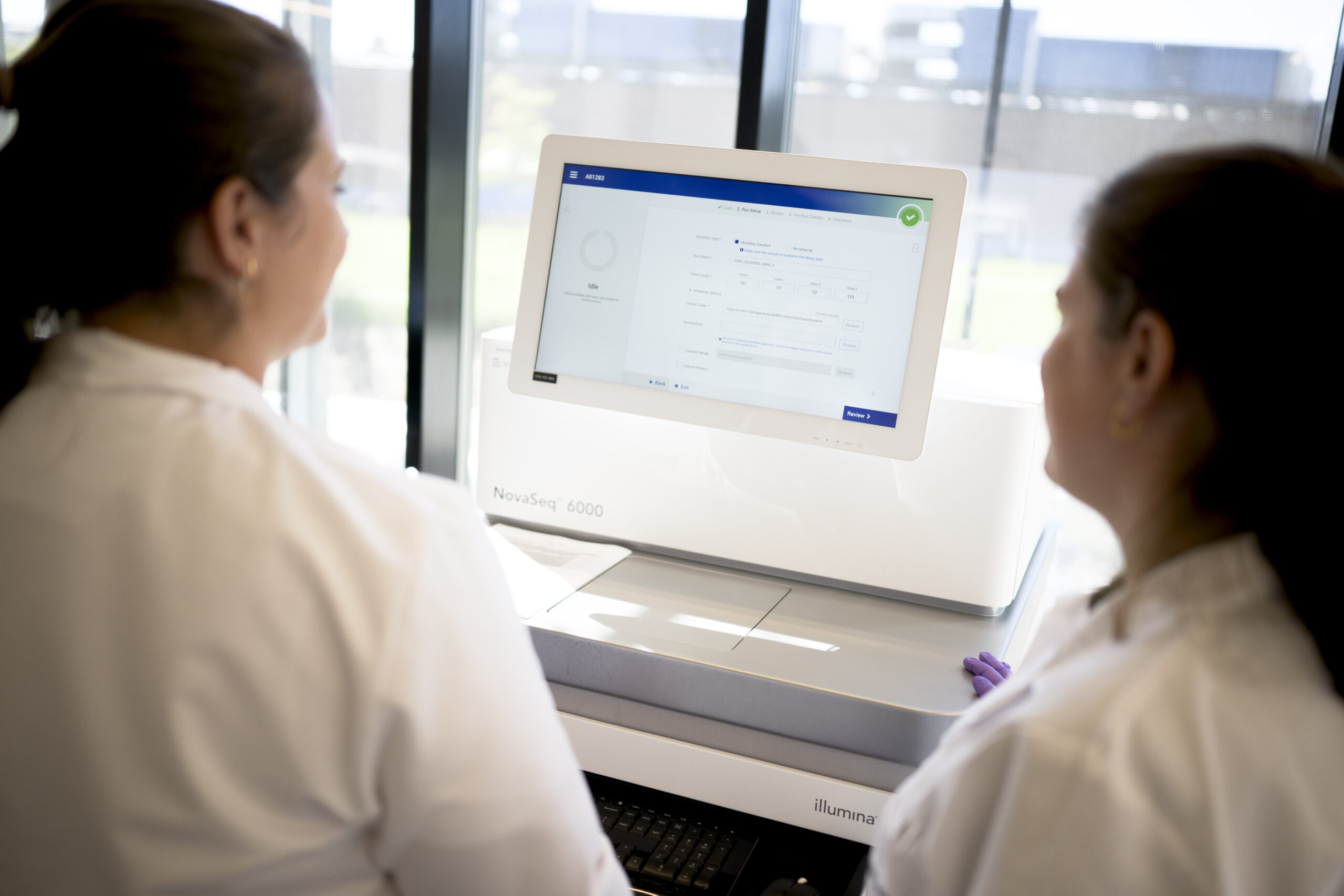
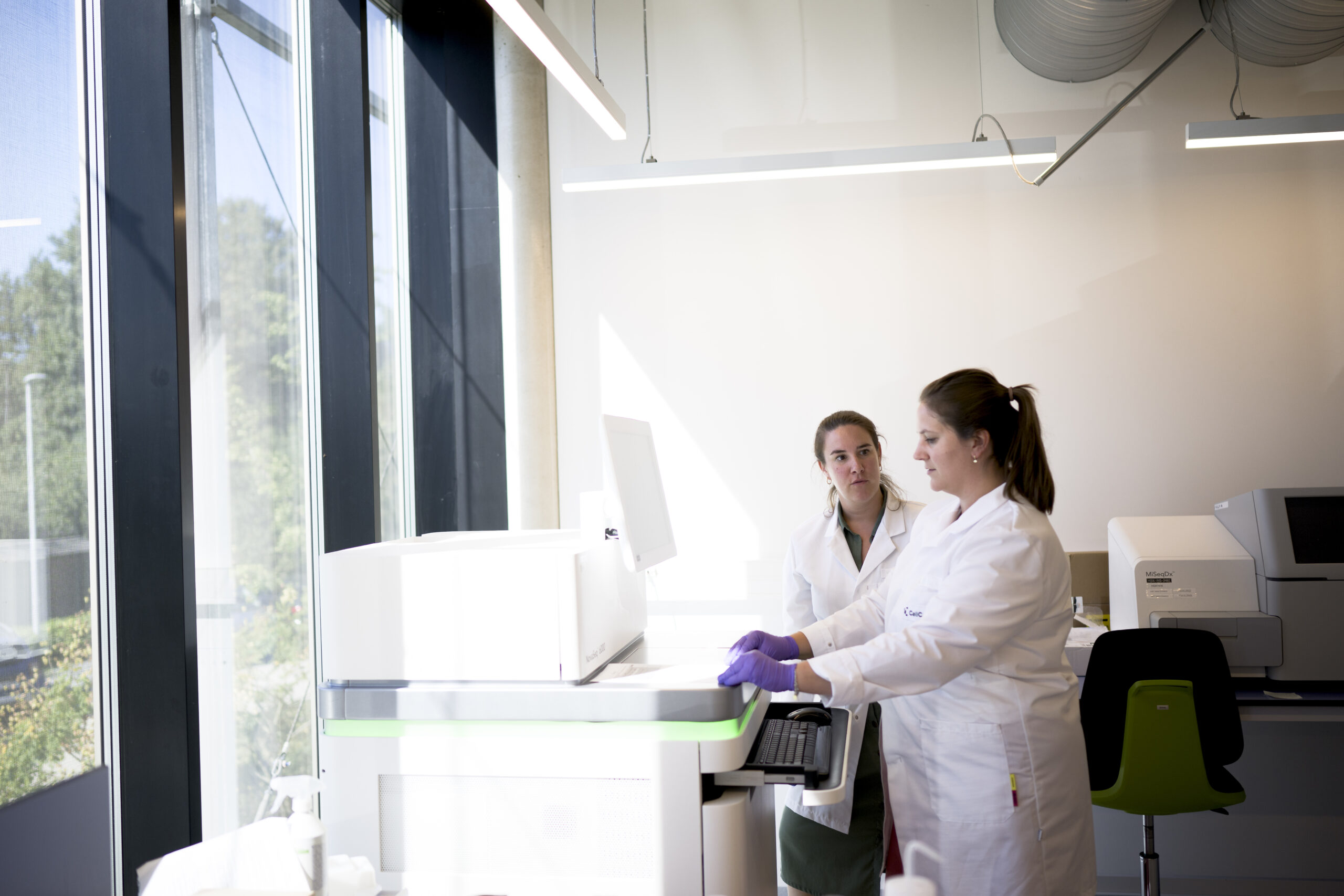
Scientists reviewing a run on an Illumina next-generation sequencer.

Indications We Support

Don’t see your indication? Contact us about custom solutions.

Contact Us

Oncology CRO Services to Support Your Program

Understanding the tumor immune microenvironment (TME) requires a precise understanding of immune cell populations and signaling pathways. Our immune monitoring capabilities include:

Identifying and quantifying protein biomarkers in oncology requires both depth of discovery and analytical precision.

Our mass spectrometry (MS)-based workflows support identification of neo-epitopes, drug targets, and candidate biomarkers in all relevant biological matrices.

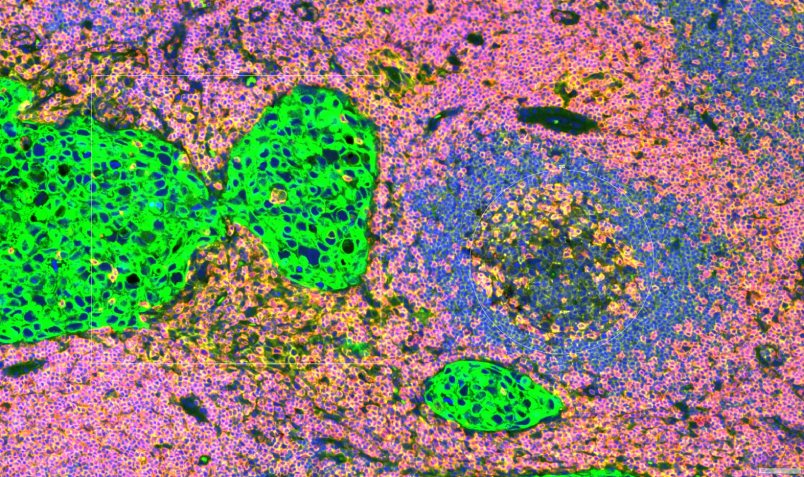
For in-depth spatial analysis, we can incorporate the Lunaphore COMET™ for immune cell identification, single-cell phenotyping, and protein interaction investigations.

Molecular profiling of tumors is critical for patient stratification, monitoring treatment response, and therapeutic  development.

Our scientists support oncology programs through in-depth genomic analysis, including:

Companion diagnostic (CDx) development demands regulatory precision, scientific rigor, and a partner who has navigated that path before.

CellCarta supports the full CDx lifecycle from assay conceptualization through analytical validation, offering IHC, molecular, and MS-based solutions for oncology indications.

Read about our CDx Accelerator model here.

Understanding the tumor immune microenvironment (TME) requires a precise understanding of immune cell populations and signaling pathways. Our immune monitoring capabilities include:

Immune monitoring laboratory

Identifying and quantifying protein biomarkers in oncology requires both depth of discovery and analytical precision.

Our mass spectrometry (MS)-based workflows support identification of neo-epitopes, drug targets, and candidate biomarkers in all relevant biological matrices.

For in-depth spatial analysis, we can incorporate the Lunaphore COMET™ for immune cell identification, single-cell phenotyping, and protein interaction investigations.

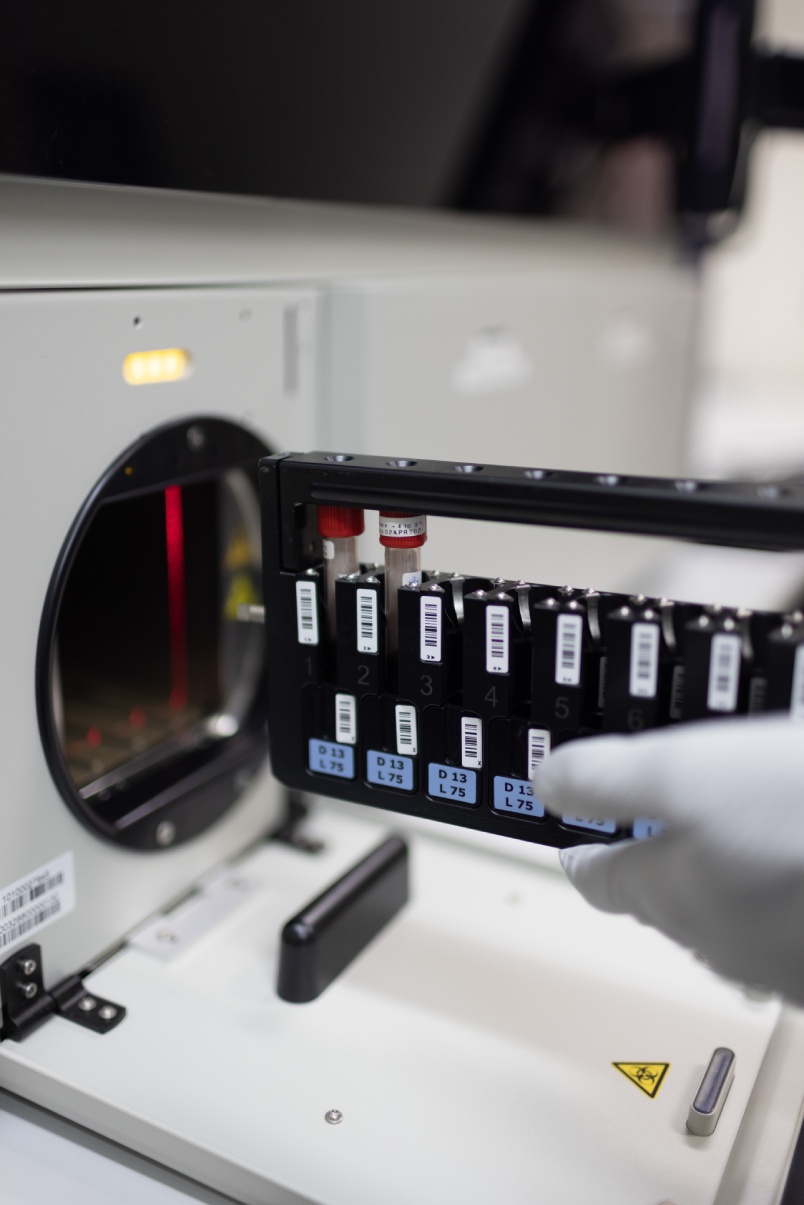
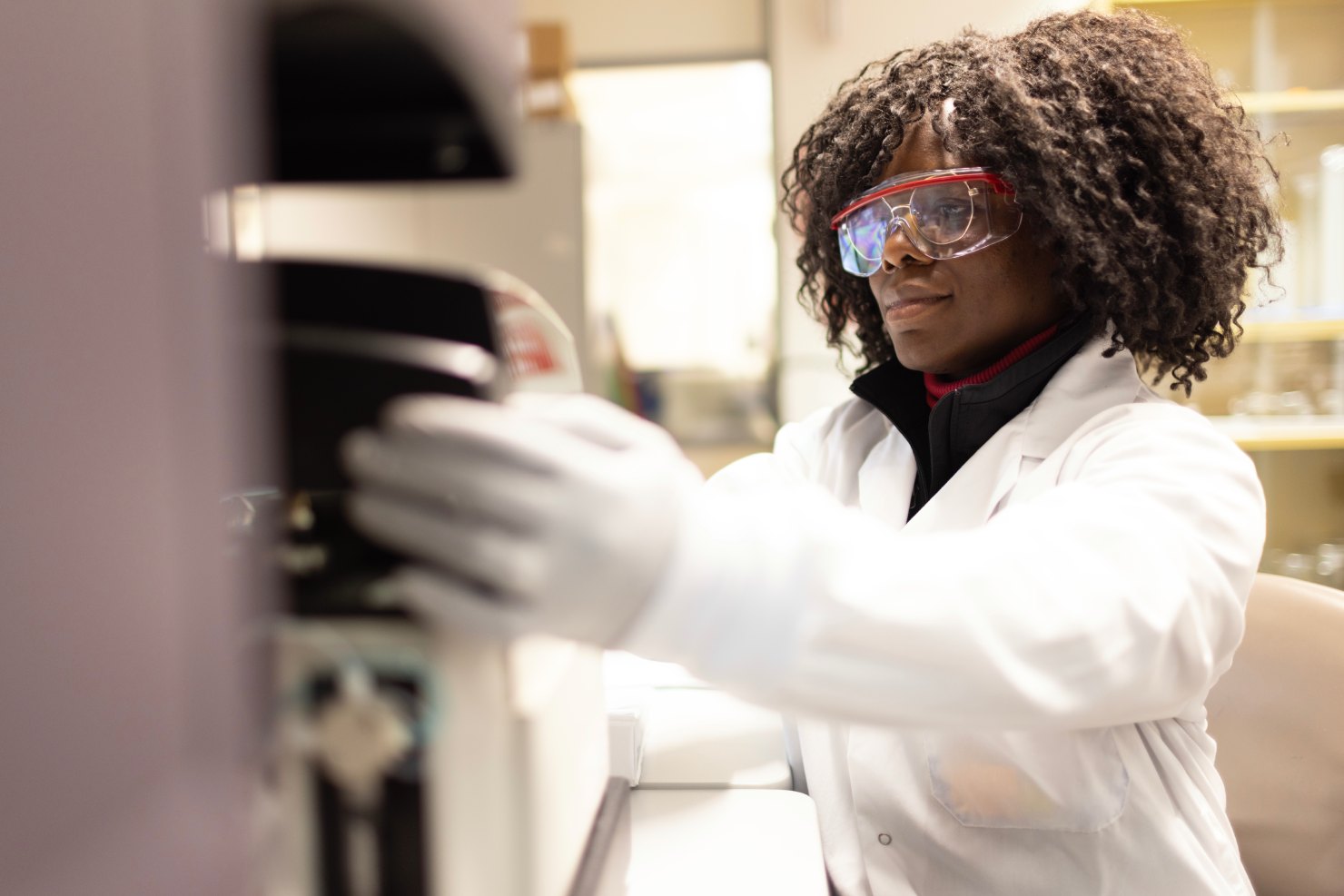
Proteomics mass spectrometry laboratory

Molecular profiling of tumors is critical for patient stratification, monitoring treatment response, and therapeutic  development.

Our scientists support oncology programs through in-depth genomic analysis, including:

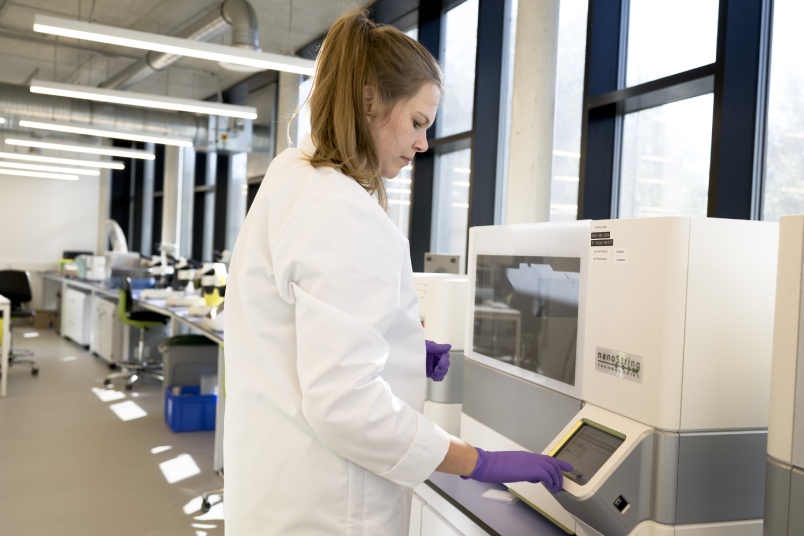
Genomics sequencing laboratory

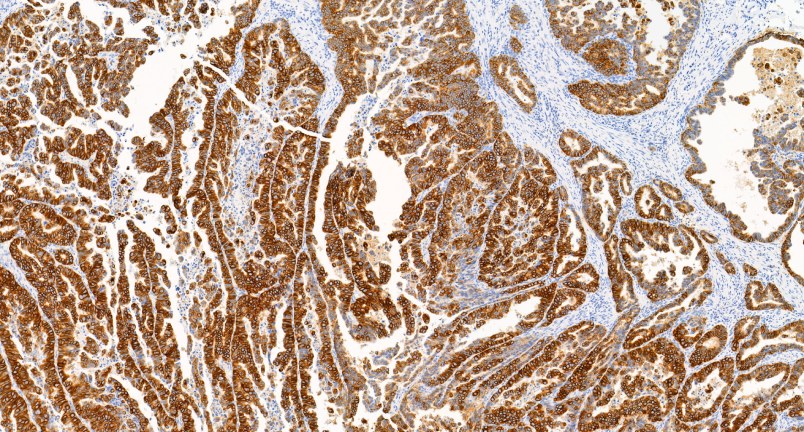
Companion diagnostic (CDx) development demands regulatory precision, scientific rigor, and a partner who has navigated that path before.

CellCarta supports the full CDx lifecycle from assay conceptualization through analytical validation, offering IHC, molecular, and MS-based solutions for oncology indications.

Read about our CDx Accelerator model here.

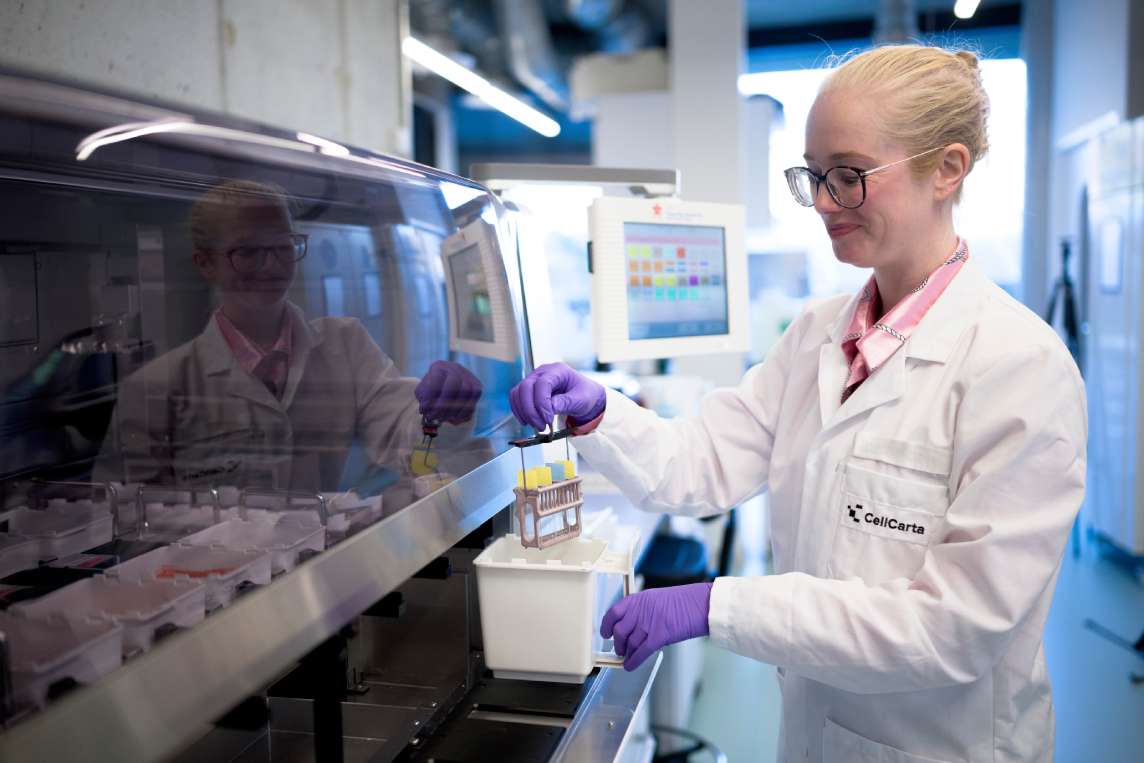
Companion diagnostics development laboratory

Technologies and Platforms

Our oncology CRO services are powered by integrated platforms that deliver tumor characterization, immune profiling, and proteomic quantification.

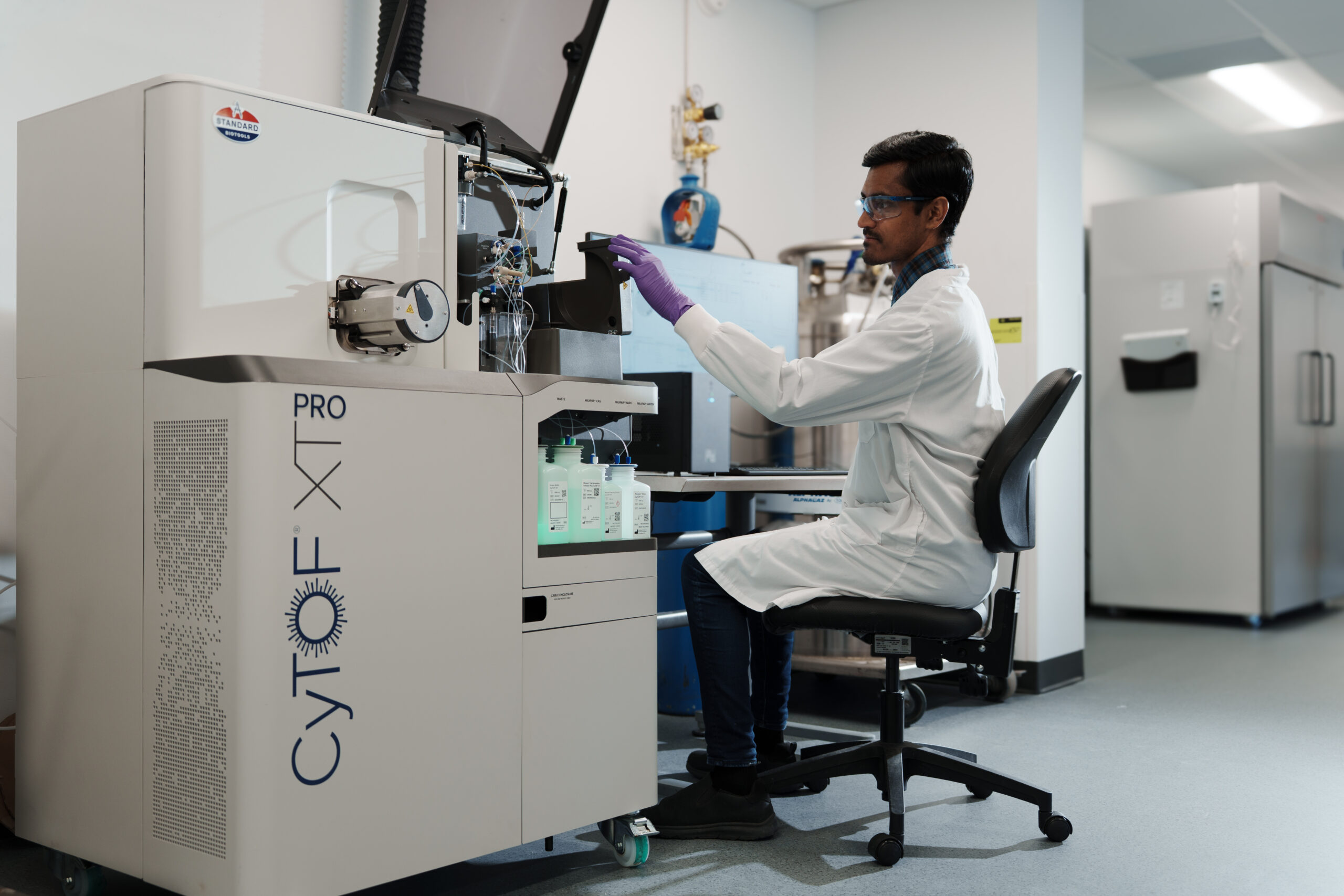
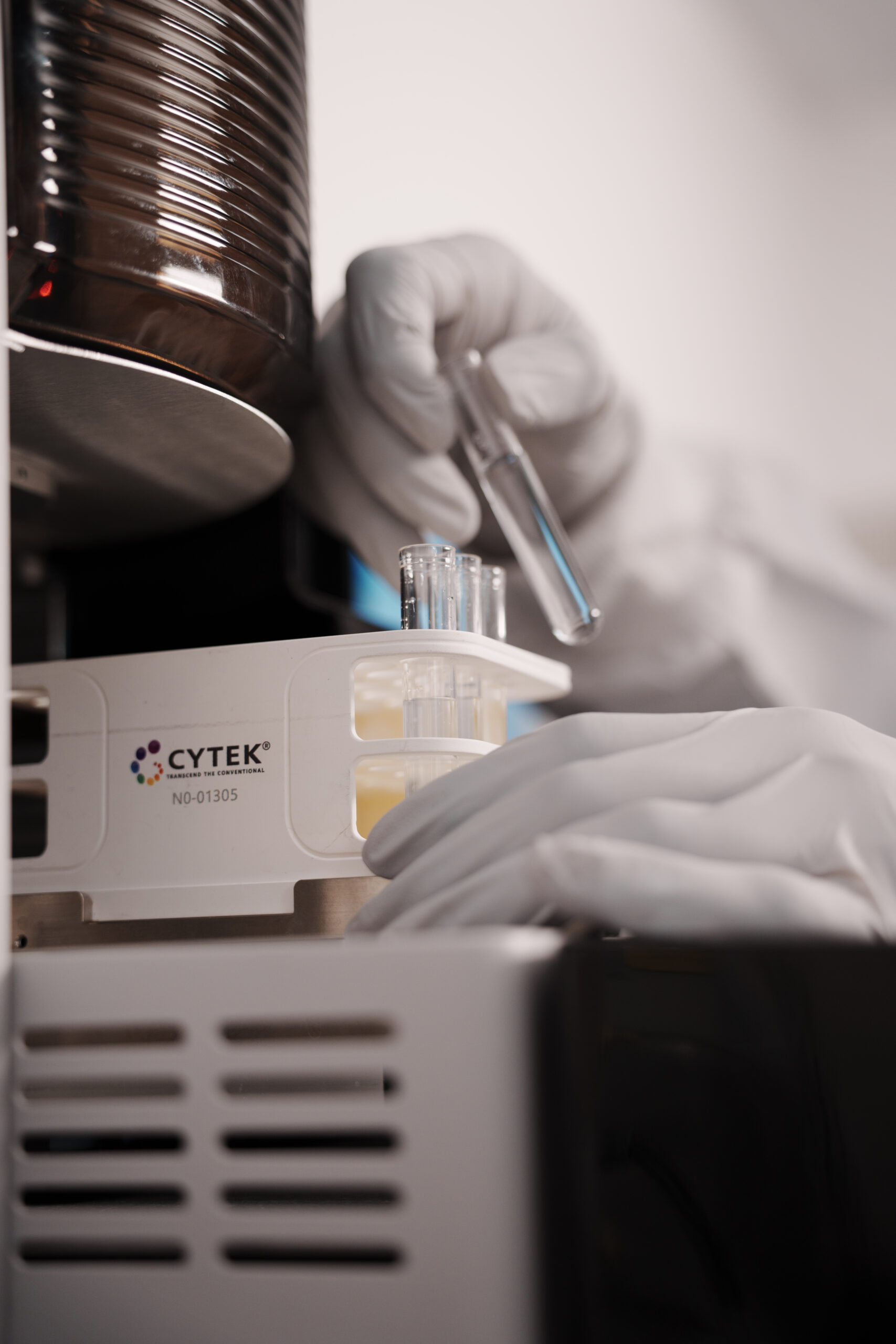
Flow cytometry technology

Flow Cytometry

Spectral and conventional platforms with up to 40 parameters per cell. Validated checkpoint, TIL, CAR-T, and receptor occupancy panels across global sites.

Explore flow cytometry
Next-generation sequencing platform

Sequencing Services

Comprehensive genomic and transcriptomic profiling, including whole genome and exome sequencing, ctDNA/MRD tracking, RNA sequencing, and single-cell sequencing, supporting all stages of therapeutic development.

Explore sequencing services
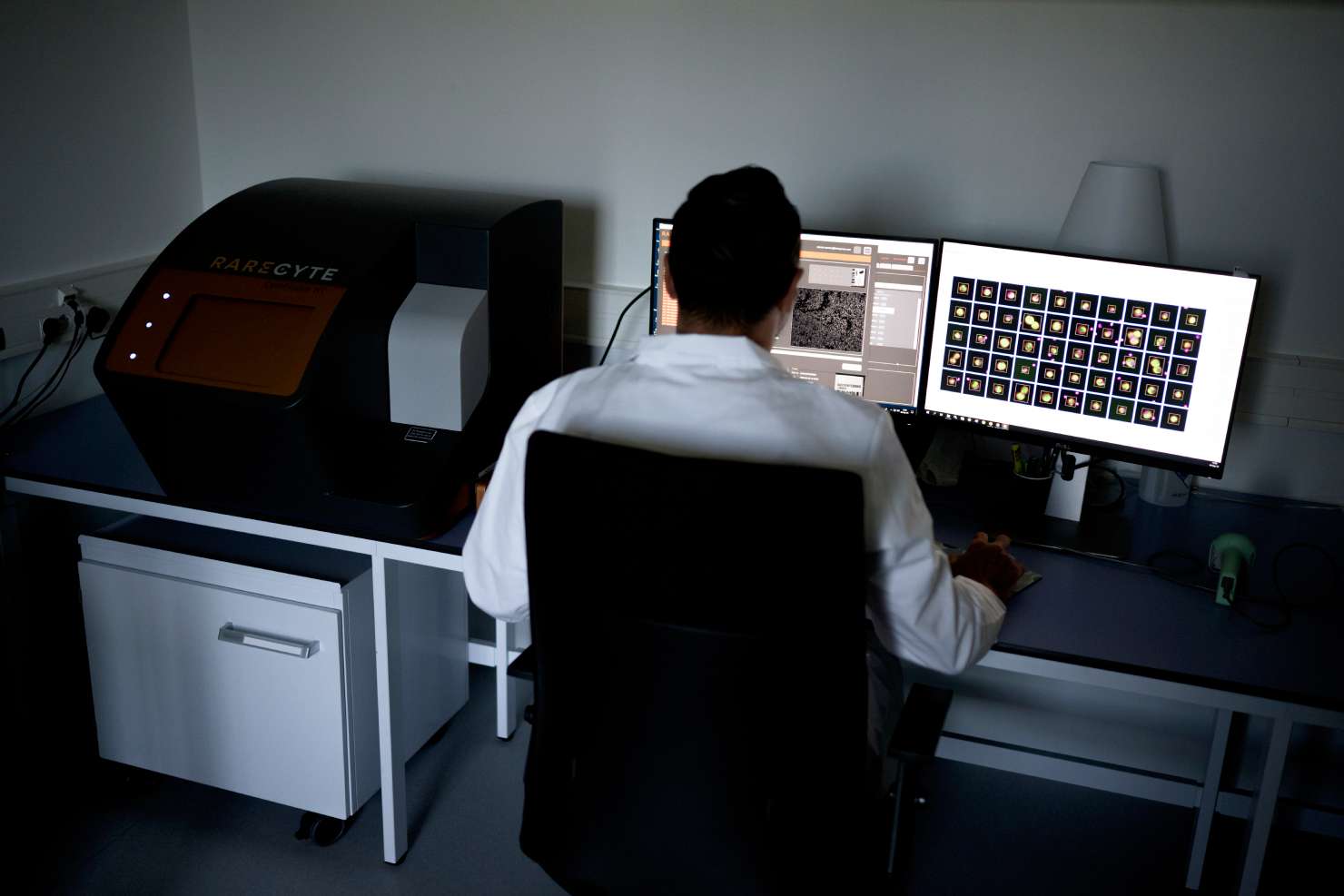
Digital pathology spatial analysis

Digital Pathology

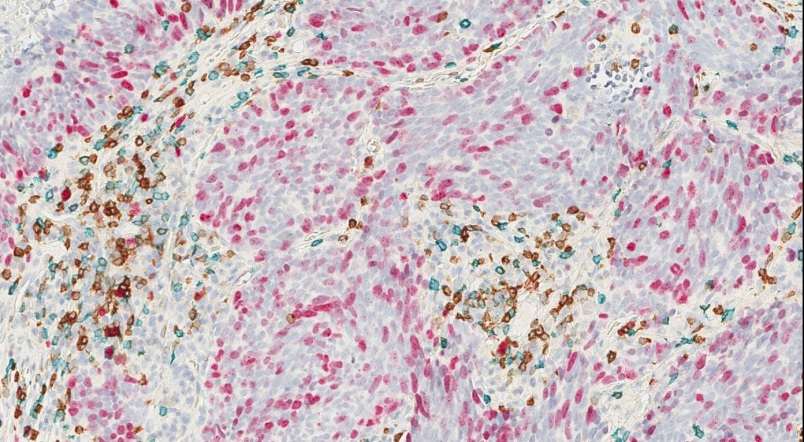
Multiplex IHC/IF with spatial analysis for tumor microenvironment profiling. Board-certified pathologists and AI-assisted image analysis.

Explore digital pathology

Case Studies

Mass spectrometry M-protein measurement case study

Case Study

M-Protein Measurement Using Mass Spectrometry

CellCarta presents a High-Resolution Mass Spectrometry (HRMS) workflow to measure M-protein levels from as little as 10 µL of blood samples taken from multiple myeloma patients. This represents a non-invasive, sensitive, and precise quantification method that can be employed for oncology research.
NSCLC assay validation for clinical trials case study

Case Study

Validating an NSCLC Assay for Clinical Trials

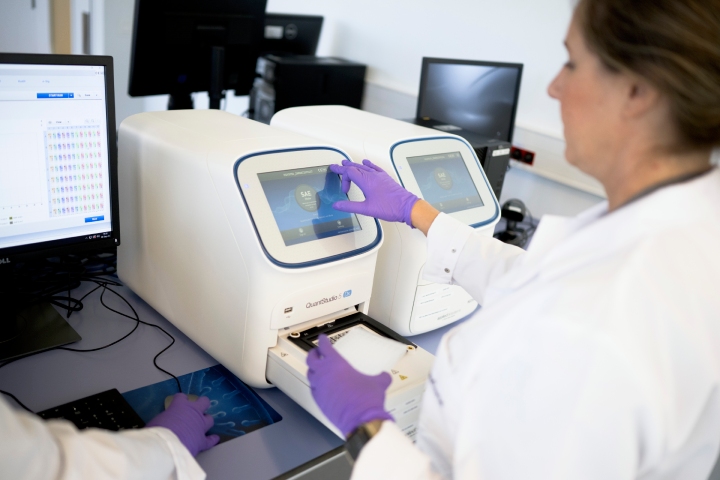
CellCarta validated the ultra-sensitive assay, Aspyre Lung by Biofidelity, as a clinical trial assay for non-small cell lung cancer (NSCLC) using PCR. Aspyre Lung is an accurate and rapid assay that can be implemented in clinical trials for non-invasive patient management.

Why CellCarta

From first biomarker to final submission, we keep your oncology program moving quickly.

Customized Solutions

Regulatory-Ready Data

Global Coverage

Multi-Platform Data

Expertise Across Indications

Advance your oncology program

From early biomarker discovery through late-stage clinical validation, our oncology CRO services deliver the platform depth, scientific expertise, and regulatory rigor your program depends on.

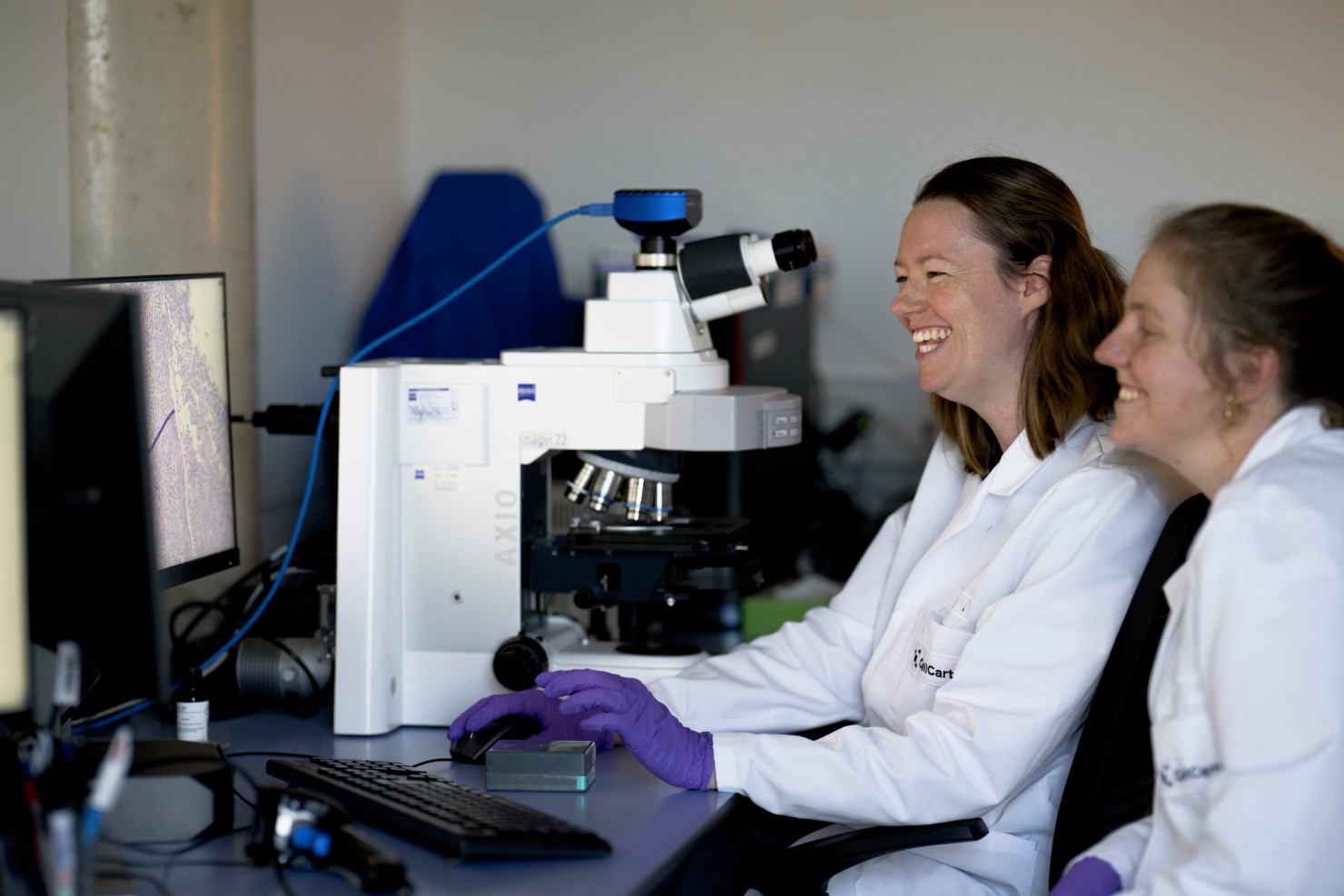
Oncology CRO team at work

Frequently Asked Questions

A central lab handles routine safety chemistry, hematology, and standardized diagnostics. Meanwhile, a specialized biomarker CRO supports assay development and regulatory submission for clinical integration. Whether these assays are developed for exploratory use or intended for CDx deployment, a specialized biomarker CRO can accommodate their full range of clinical utility.

For biomarker-driven oncology trials, especially those with CDx co-development, sponsors typically require specialist capability beyond the central lab scope. At CellCarta, we operate eight globally harmonized specialist facilities supporting biomarker, bioanalytical, and CDx workflows end-to-end.

Sponsors should evaluate four dimensions: scientific depth across relevant modalities (checkpoint inhibitors, antibody-drug conjugates, cell therapies), breadth of validated assay platforms (flow and mass cytometry, mass spectrometry, digital pathology, genomics), companion diagnostic experience including prior regulatory submissions, and global lab harmonization to support multi-site trials. Track record matters, including number of programs supported, modality coverage, and quality accreditations. At CellCarta, we bring 25+ years of biomarker experience, CDx expertise, and 750+ employees, 40% of which have a MSc, PhD, or MD.

Oncology biomarker programs typically require an integrated suite of services spanning immune monitoring (flow cytometry, mass cytometry, ELISpot, receptor occupancy), proteomics and bioanalytical mass spectrometry, genomics (actionable genomic alterations, comprehensive genomic profiling, tumor mutational burden, microsatellite instability, circulating tumor DNA), and digital pathology with multiplex imaging. As programs advance, companion diagnostic development and validation become critical for patient selection. CellCarta delivers these services across eight globally harmonized facilities supporting discovery through regulatory submissions.

An oncology biomarker partner should hold clinical laboratory accreditations recognized by major regulators—including the U.S. CAP and CLIA standards for clinical assay reporting, good clinical laboratory practice standards for exploratory biomarker work, and international equivalents such as ISO 15189 for global labs. Companion diagnostic capability requires quality systems aligned to FDA and EU IVDR requirements. Multi-site harmonization and demonstrated cross-lab reproducibility are equally important. CellCarta’s global facilities operate under harmonized quality systems, supporting global regulatory submissions.

Sponsors typically benefit from engaging a biomarker CRO during late discovery or early translational development, before first-in-human studies, to align the biomarker strategy with the asset’s mechanism, modality, and target patient population. Early engagement allows time to develop and validate fit-for-purpose assays, plan companion diagnostic strategies where required, and design biomarker collection that supports later regulatory submissions. Late engagement often constrains assay choice and limits CDx feasibility. CellCarta partners with sponsors from discovery through CDx development across oncology programs.