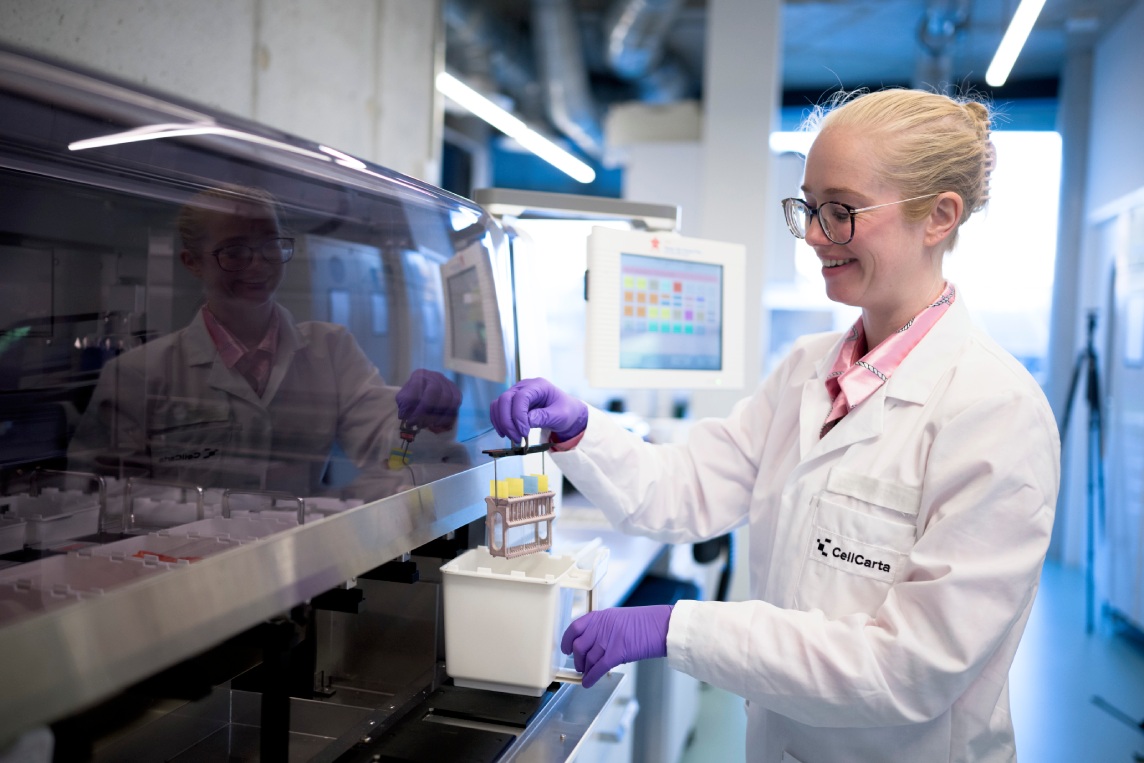
Liquid biopsy solutions enabling sensitive detection of circulating tumor cells (CTC), circulating tumor DNA (ctDNA), and cell-free DNA (cfDNA) to support precision oncology research.
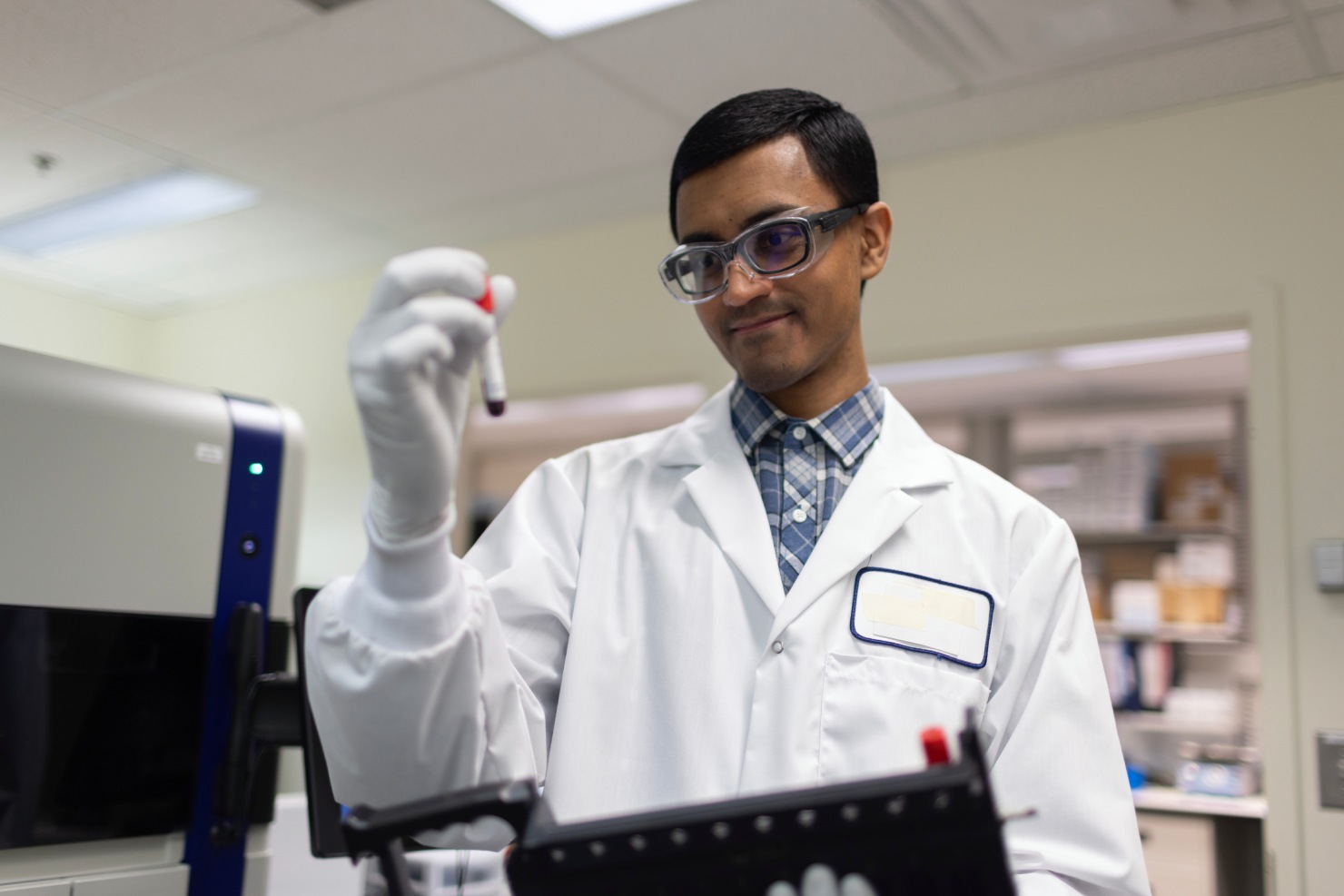
Liquid biopsy samples allow for minimally invasive and repeatable monitoring of tumor evolution, which is well suited for a range of oncology clinical trials.
At CellCarta, our liquid biopsy platforms can extract key information from your samples, including CTC enumeration and ctDNA analysis, to support biomarker discovery and exploratory research.
Our liquid biopsy workflows are validated to the highest standards and are conducted in a GCLP and CAP/CLIA-accredited environment.
Uncover key cellular insights using our various liquid biology platforms, including:
Depending on your research context, sample type, and clinical endpoints, our team of experts can tailor which platforms are relevant to your study, ensuring quality data, not just quantity.
Our workflows can support key off-the-shelf (OTS) assays to uncover in-depth information regarding your samples, including:
Customized panels can also be developed to support your sample type and targets of interest, with validation services in-place to meet your study at any stage. Contact our team to learn more.
Receive access to our in-house biobank, a database that is fully searchable by phenotype, biomaterial type, and disease indicators.
Our global network of laboratories provides high-quality PBMC processing and sample management services to ensures proper handling, transport, and storage of samples while in our care, supporting data integrity and streamlining clinical trial progression.
Uncover key cellular insights using our various liquid biology platforms, including:
Depending on your research context, sample type, and clinical endpoints, our team of experts can tailor which platforms are relevant to your study, ensuring quality data, not just quantity.
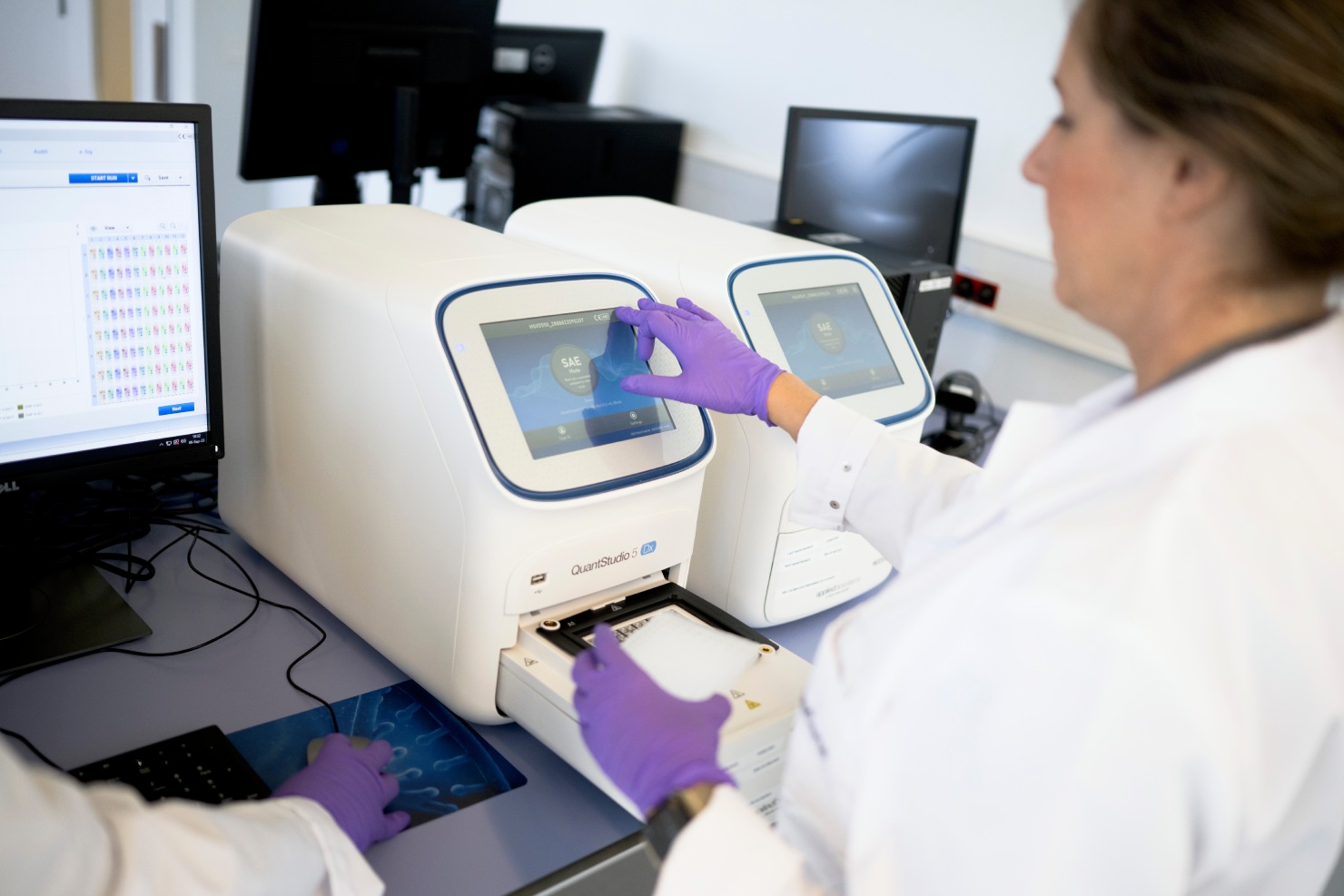
Our workflows can support key off-the-shelf (OTS) assays to uncover in-depth information regarding your samples, including:
Customized panels can also be developed to support your sample type and targets of interest, with validation services in-place to meet your study at any stage. Contact our team to learn more.
Receive access to our in-house biobank, a database that is fully searchable by phenotype, biomaterial type, and disease indicators.
Our global network of laboratories provides high-quality PBMC processing and sample management services to ensures proper handling, transport, and storage of samples while in our care, supporting data integrity and streamlining clinical trial progression.
CellCarta is a qualified service provider for RareCyte®, enabling the analysis of CTCs and cfDNA shed from tumors into the bloodstream, where they can seed distant metastasis.
Using a liquid biopsy CTC approach enables minimally invasive tumor biology monitoring, generating reliable, quality data while preserving precious tissue samples.
We employ the CyteFinder® II HT platform for precise CTC enumeration and assessment of selected protein biomarkers on individual cells.

A sensitive, accurate, simple, and scalable workflow.

Nuclear, CD45, EpCAM, and ≤2 selected biomarkers assessed at once.

Expert slide preparation, handling, and processing.

A complete data management pipeline for high-dimensional images.
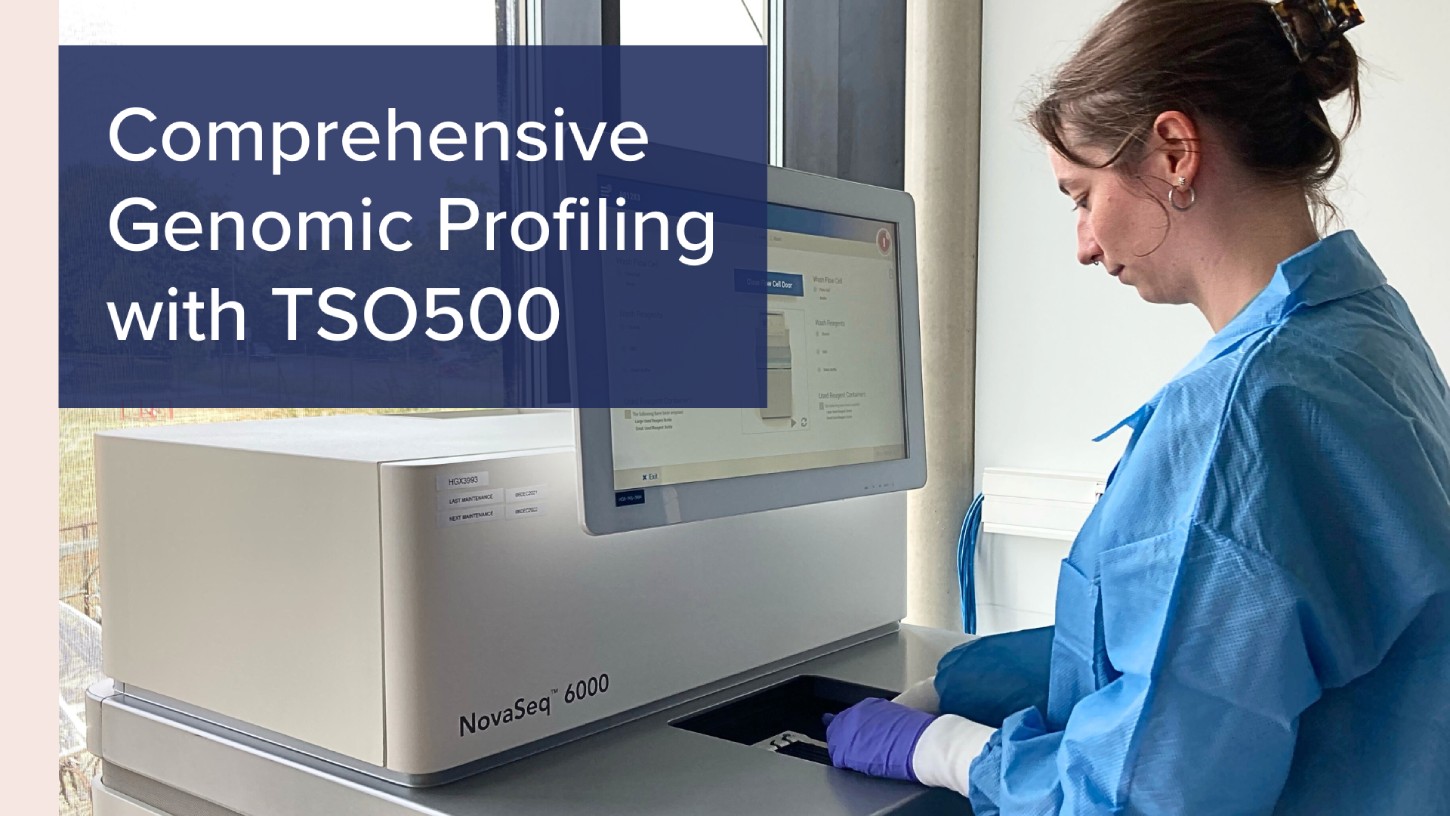
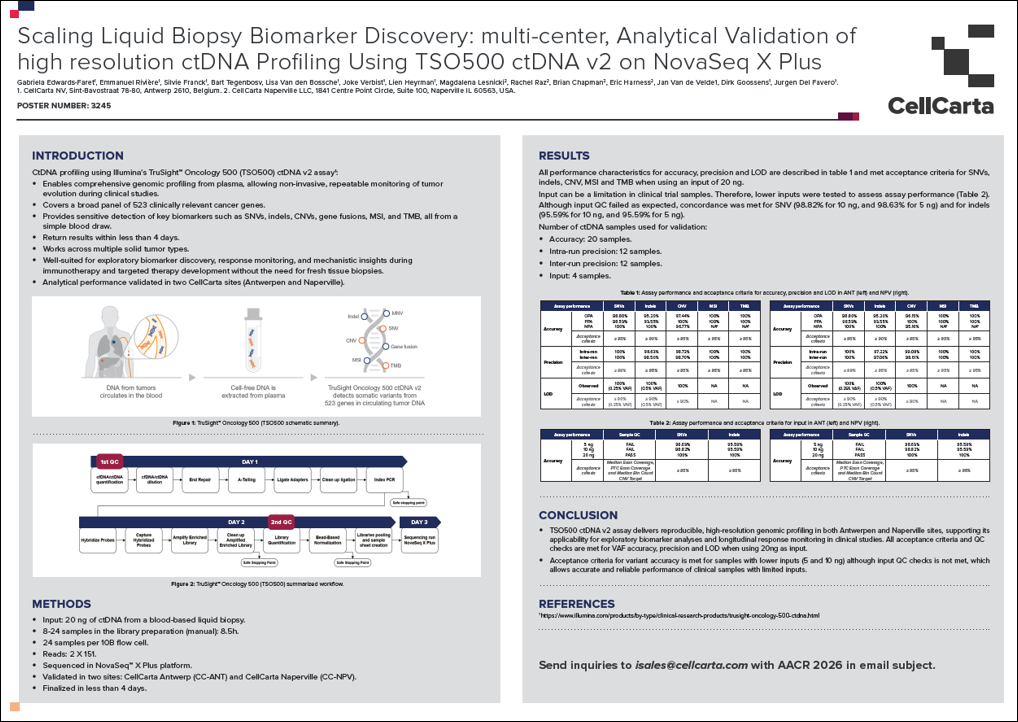
For tissue and liquid biopsies, CellCarta can perform the TSO500 assay, a cutting-edge next-generation sequencing (NGS) tool for rapid and high-throughput sample processing from a small starting volume. This makes TSO500 a valuable tool for biomarker discovery, immune responses, and clinical trials.
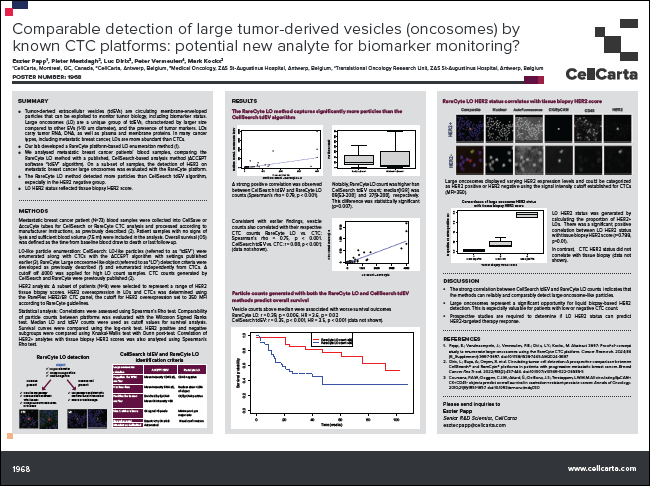
Beyond detecting circulating tumor cells, our team at CellCarta uses RareCyte to detect large extracellular vesicles (LEVs), also known as large oncosomes, from the same blood smears. In a metastatic breast cancer cohort, LEVs were found to be significantly more abundant than CTCs while maintaining closely matched biomarker profiles. This dual-analyte approach expands detection sensitivity and supports robust, quantitative biomarker monitoring from liquid biopsies.
Our workflows enable the smooth integration of liquid biopsy samples into your research.
High-End Scientific Capabilities
Minimally Invasive Collection
Global Execution
Cutting-Edge Platforms
Adaptable Workflows
Genomics solutions for all phases of drug development and CDx development.
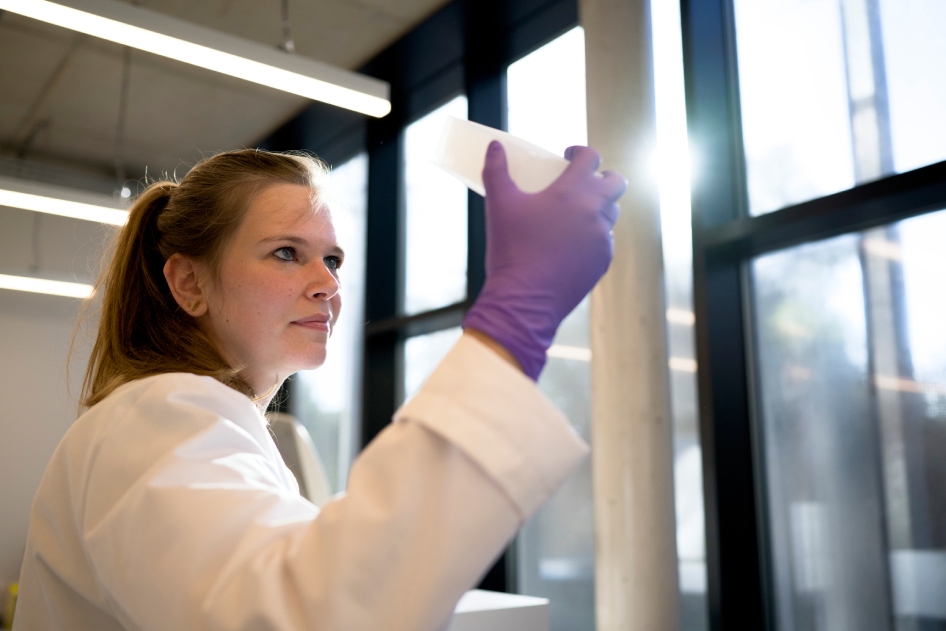
Measure the expression of analytes for biomarker discovery and immune monitoring.
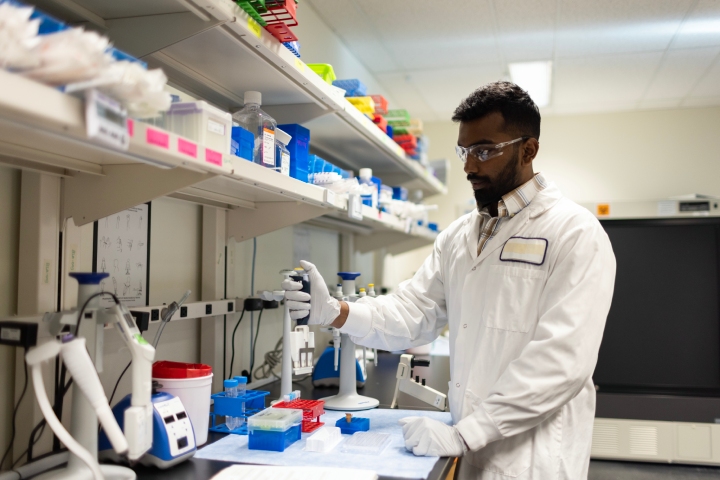
Sensitive and accurate platform for scalable proteomic monitoring and bioanalysis under GCLP and QC conditions.
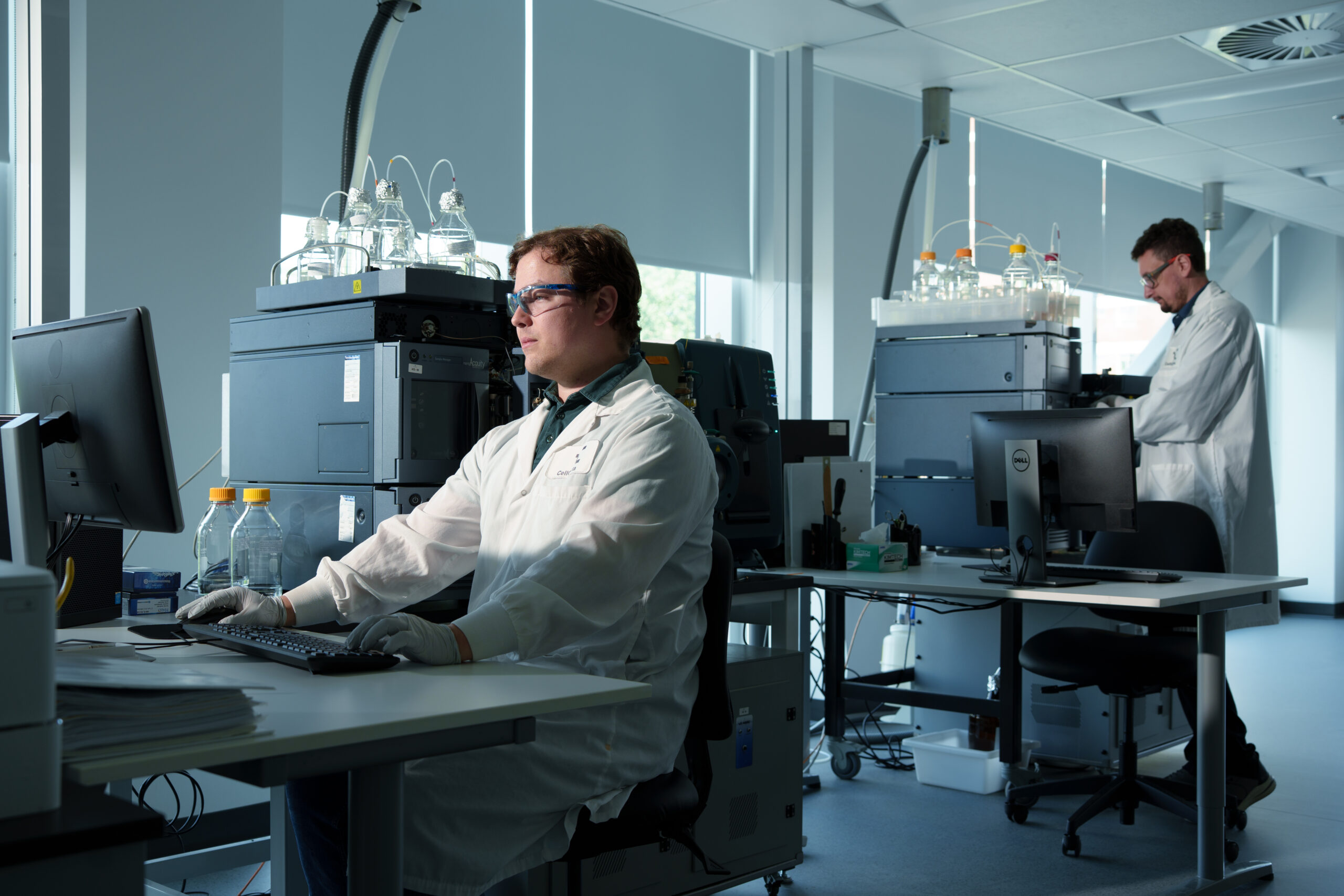
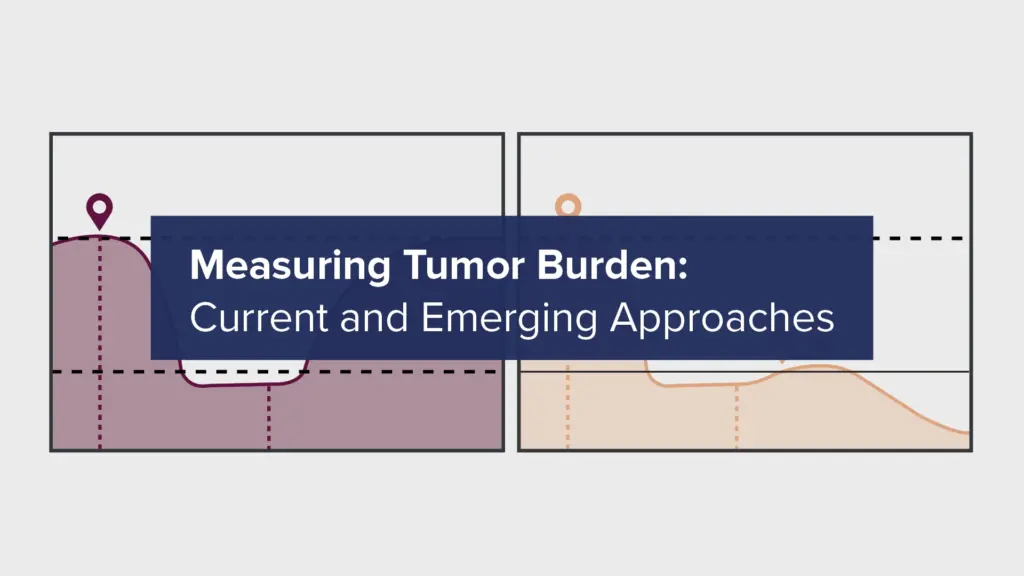
Liquid biopsy samples can be collected repeatedly in a simple, minimally invasive way, making them well suited for long-term patient monitoring in a clinical program. Repeated collections over time can provide dynamic information from cell-free DNA, circulating tumor DNA, and circulating tumor cells, enabling insight into tumor evolution and therapeutic response.
Your liquid biopsy samples can be used to extract valuable data across all of CellCarta’s areas of expertise. For the highest quality data, we tailor our selection of liquid biopsy platforms to align best with your study’s specification. These can include dPCR, nCounter, next-generation sequencing, histopathology, immunoassays, flow cytometry, and mass spectrometry.
Circulating tumor cells are cells that originate from tumors and enter the bloodstream, which may lead to distant metastasis. CTC analysis uses a blood sample to enumerate and characterize these cells, making it a minimally invasive option for oncology programs.
To support CTC analysis, CellCarta is a certified RareCyte provider. Specifically, the CyteFinder® II HT platform and integrated image analysis software are employed to support precise CTC enumeration and characterization.
CTCs are intact tumor cells shed into the blood, while circulating tumor DNA (ctDNA) is tumor-derived DNA found in cell-free form. Because they capture different information, CTC and ctDNA analysis are often considered together when performing liquid biopsy analysis.
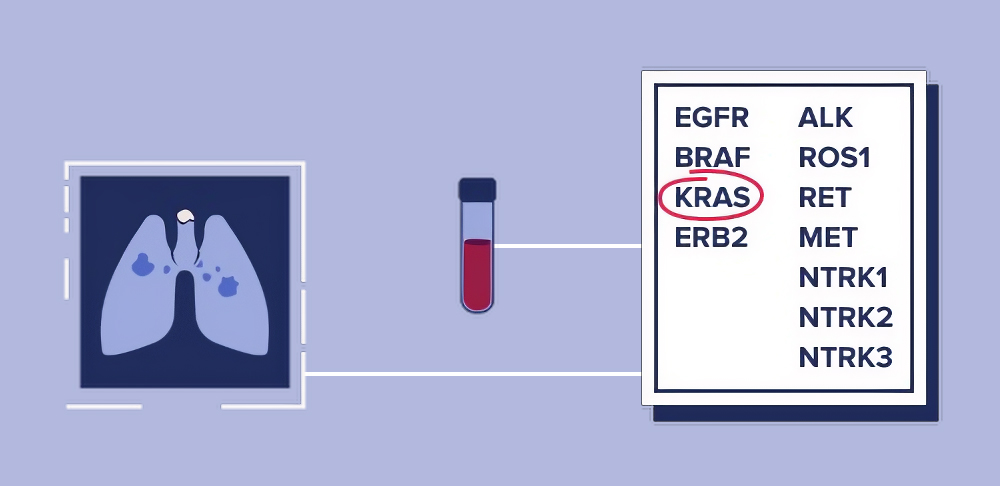
At CellCarta, we can support both CTC and ctDNA analysis in liquid biopsy samples. For example, RareCyte technology enables CTC enumeration and biomarker detection. ctDNA panels include TSO500 ctDNA v2, OncoReveal, and Aspyre® Lung, with custom panels available for your specific sample types and targets.
RareCyte’s CTC platform has several advantages for clinical trials, including:
For further details on the suitability of RareCyte for your clinical trial, contact our team.
Circulating tumor cell analysis has several clinical applications that can make them invaluable for oncology programs and therapeutic development, including the ability to monitor tumor evolution over time in a minimally invasive manner.
CTC counts have been reported as endpoints and pharmacodynamic markers [1]. A negative CTC result shortly after treatment starts has been proposed as an early response endpoint for early-phase trials. Baseline counts can help stratify patients by prognosis, and randomized trials have used CTC levels to guide treatment assignment.
Phenotyping CTCs for therapeutic targets can also help identify patients likely to benefit from a targeted therapy.
References:
[1] Stoecklein NH, Oles J, Franken A, Neubauer H, Terstappen LWMM, Neves RPL. Clinical application of circulating tumor cells. Med Genet. 2023 Dec 5;35(4):237-250. doi: 10.1515/medgen-2023-2056. PMID: 38835741; PMCID: PMC11110132.