Confidently navigate the complexities of targeted protein degrader (TPD) clinical development with the backing of our team’s scientific expertise and custom assay design.

TPDs have shown great promise for treating complex diseases by degrading proteins that are untargetable with conventional treatment. However, TPD development can be challenging and, without the right biomarker strategy and support, can become convoluted and costly.
CellCarta’s multi-omic capabilities can support your therapeutic development program, overcoming the complexities of TPD development. We can help guide your workflow to better understand drug potency, dosing, and mechanisms of resistance.
Our scientists employ a multi-omic approach for TPD assessment, such as:
With access to a vast suite of off-the-shelf (OTS) assays and custom development capabilities, we can provide the optimal panel to measure target engagement, degradation, and pharmacodynamics in any biological matrix.
Our deep clinical development expertise, including for IVD and CDx deployment, enables effective patient monitoring, stratification, and can unravel mechanisms of TPD resistance, maximizing your clinical trial’s chance of success.
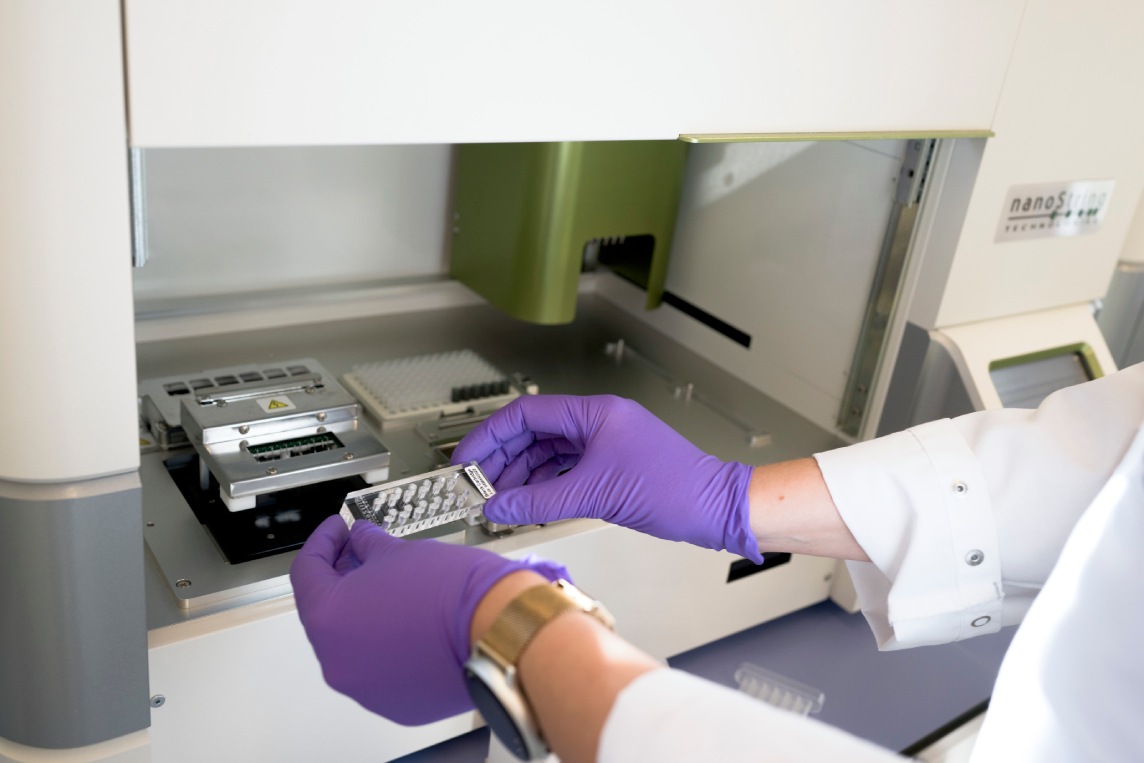
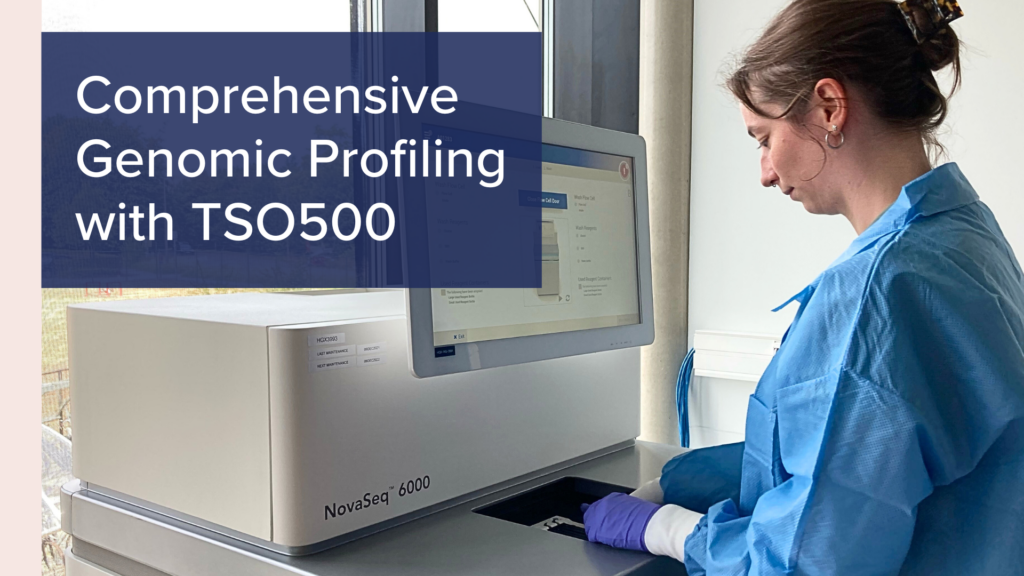
Overcoming TPD resistance requires rapid decoding of complex biological mechanisms. CellCarta applies our multi-omics workflow to accurately map resistance pathways and monitor activation, including the TSO500 next-generation sequencing and NanoString platforms.
To support concurrent safety surveillance during treatment, our scientists can monitor TPD-associated effects. This includes cytokine storm detection using MSD® and Olink™ PEA.
Regardless of which TPD target(s) you’re investigating, including KRAS, BRAF, EGFR, BRD4, and STAT3, our multimodal protein degrader services can support your program. Our available capabilities include RNA sequencing, qPCR, IHC, ISH, and mass spectrometry, covering a vast and continually expanding range of biomarkers.
To quantify and measure target degradation, our team can employ digital pathology software for advanced analysis.
For further information, read our TPD postcard.
CellCarta brings deep scientific insight to every stage of your therapeutic development journey. Our multidisciplinary teams of medical doctors, scientists, and specialists provide expert guidance from pre-clinical through late stage studies, combining custom assay design with sample logistics support across our eight globally owned and integrated facilities.
Our scientists employ a multi-omic approach for TPD assessment, such as:
With access to a vast suite of off-the-shelf (OTS) assays and custom development capabilities, we can provide the optimal panel to measure target engagement, degradation, and pharmacodynamics in any biological matrix.
Our deep clinical development expertise, including for IVD and CDx deployment, enables effective patient monitoring, stratification, and can unravel mechanisms of TPD resistance, maximizing your clinical trial’s chance of success.
Overcoming TPD resistance requires rapid decoding of complex biological mechanisms. CellCarta applies our multi-omics workflow to accurately map resistance pathways and monitor activation, including the TSO500 next-generation sequencing and NanoString platforms.
To support concurrent safety surveillance during treatment, our scientists can monitor TPD-associated effects. This includes cytokine storm detection using MSD® and Olink™ PEA.
Regardless of which TPD target(s) you’re investigating, including KRAS, BRAF, EGFR, BRD4, and STAT3, our multimodal protein degrader services can support your program. Our available capabilities include RNA sequencing, qPCR, IHC, ISH, and mass spectrometry, covering a vast and continually expanding range of biomarkers.
To quantify and measure target degradation, our team can employ digital pathology software for advanced analysis.
For further information, read our TPD postcard.
CellCarta brings deep scientific insight to every stage of your therapeutic development journey. Our multidisciplinary teams of medical doctors, scientists, and specialists provide expert guidance from pre-clinical through late stage studies, combining custom assay design with sample logistics support across our eight globally owned and integrated facilities.
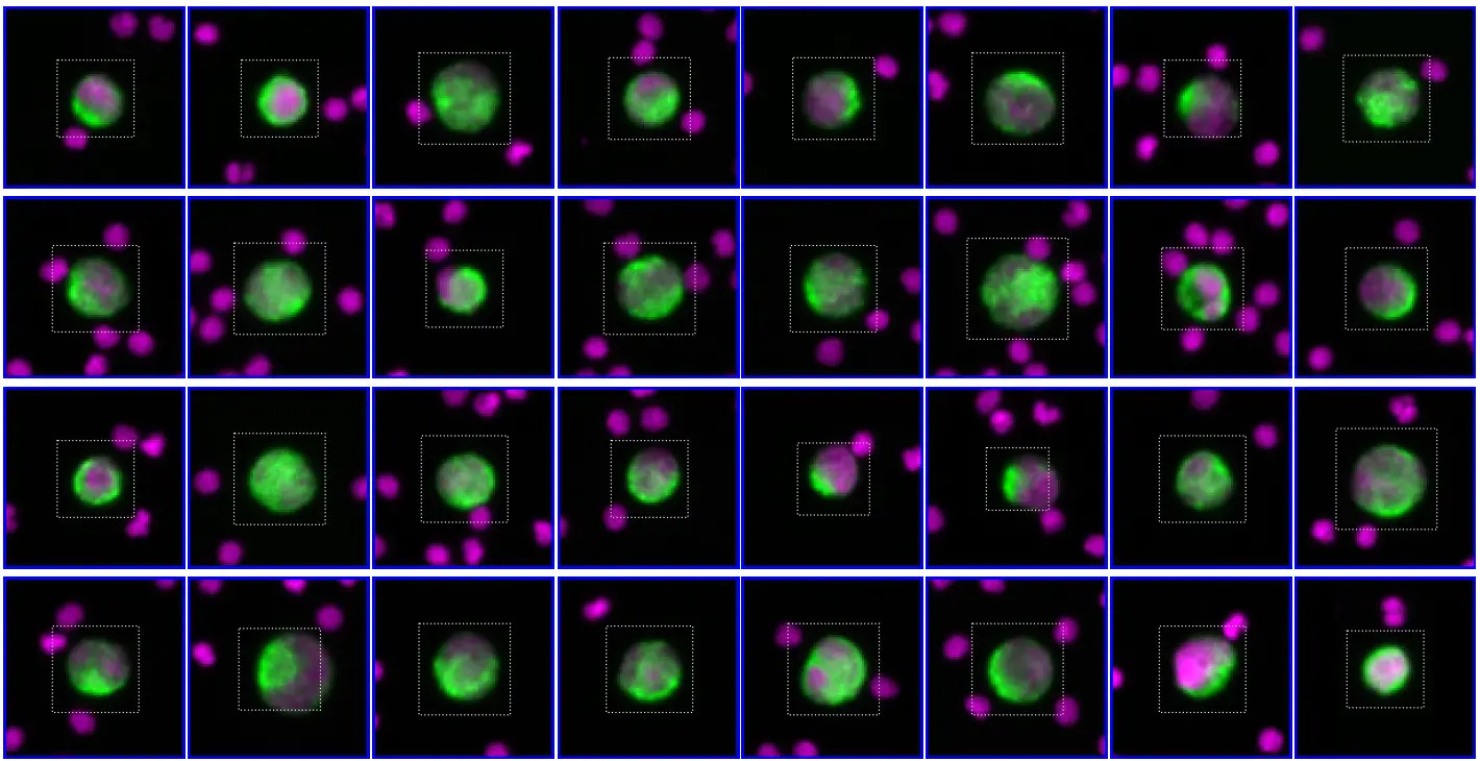
As a non-invasive approach to track TPD efficacy and tumor biology evolution, CellCarta uses RareCyte to quantify circulating tumor cell (CTC) populations from liquid biopsy samples, one method through which our team can inform key clinical decisions for your TPD program.
We have the scientific expertise, cutting-edge tools, and clinical guidance your program needs.
Multi-Omic Integration
Clinical Support
Global Execution
Custom Assay Design
Biomarker Expertise
Multiplexed biomarker quantification using LC-MS and immunoassays.

In-depth genomics and transcriptomics data for your translational and clinical applications.
Dedicated bioinformatics analysis workflow for deep insight into cell phenotypes and spatial relationships in situ.


Targeted protein degraders are a class of therapeutic modalities designed to degrade disease-associated proteins within cells, including proteins that are considered undruggable. The field of TPDs has grown rapidly, with developers needing specialized biomarker capabilities to monitor target protein degradation, assess potency, and understand resistance mechanisms throughout clinical development.
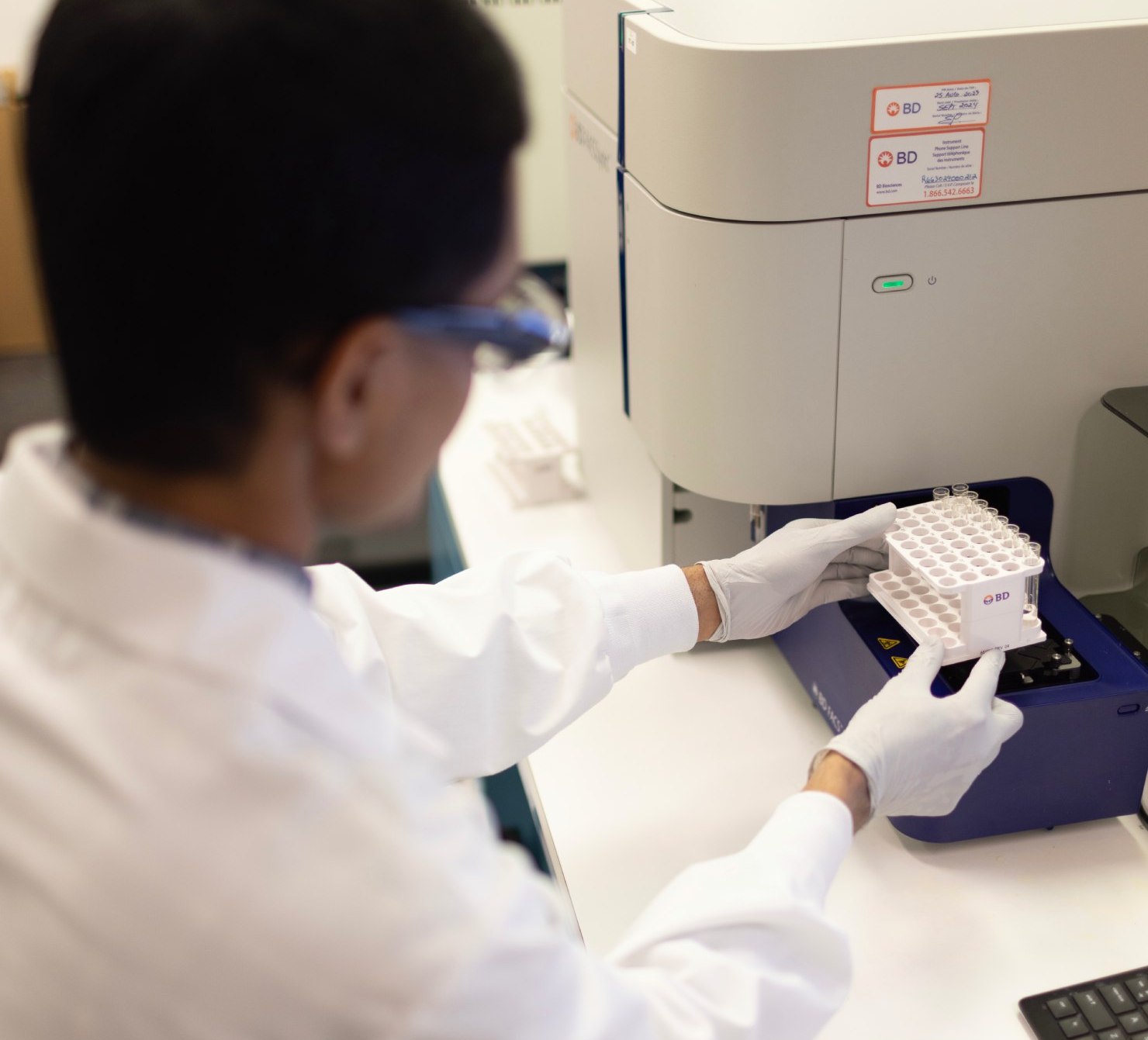
CellCarta uses a multi-omic approach for our protein degrader services. Mass spectrometry measures target protein degradation kinetics, depth, and recovery, and evaluates drug specificity in liquid biopsies and tissues. Flow cytometry tracks target protein degradation and explores drug specificity in cell sub-populations. IHC assays provide spatial target protein degradation information from tissue samples. Together, these tools generate the specific and quantitative data required to optimize dosing schedules and assess translational relevance.
CellCarta offers a range of protein degrader services to decode complex TPD resistance pathways. The TSO500 next-generation sequencing panel, whole exome sequencing, RNA sequencing, and NanoString are used to identify the genomic and transcriptomic drivers of resistance. These tools, combined with patient monitoring capabilities, support biomarker-led trials and help developers quickly unravel and respond to resistance mechanisms.
We align to the highest quality standards for TPD biomarker testing. Our laboratories hold CAP accreditation and CLIA certification, and validation processes are designed to meet the requirements for primary and secondary clinical endpoints. These standards support regulatory submissions across global markets.
Yes. CellCarta supports optimal patient selection and monitoring through advanced sequencing tools, histology assays, and companion diagnostic (CDx) knowledge. Non-invasive monitoring of circulating tumor cells is available through RareCyte technology, and cytokine storm monitoring can be incorporated to support safety monitoring. These capabilities are designed to support biomarker-led trials across a range of TPD programs.