Fast, easy, scalable. Experience the next generation of flow cytometry with CellEngine — your cloud-based, AI-ready solution for comprehensive analysis.
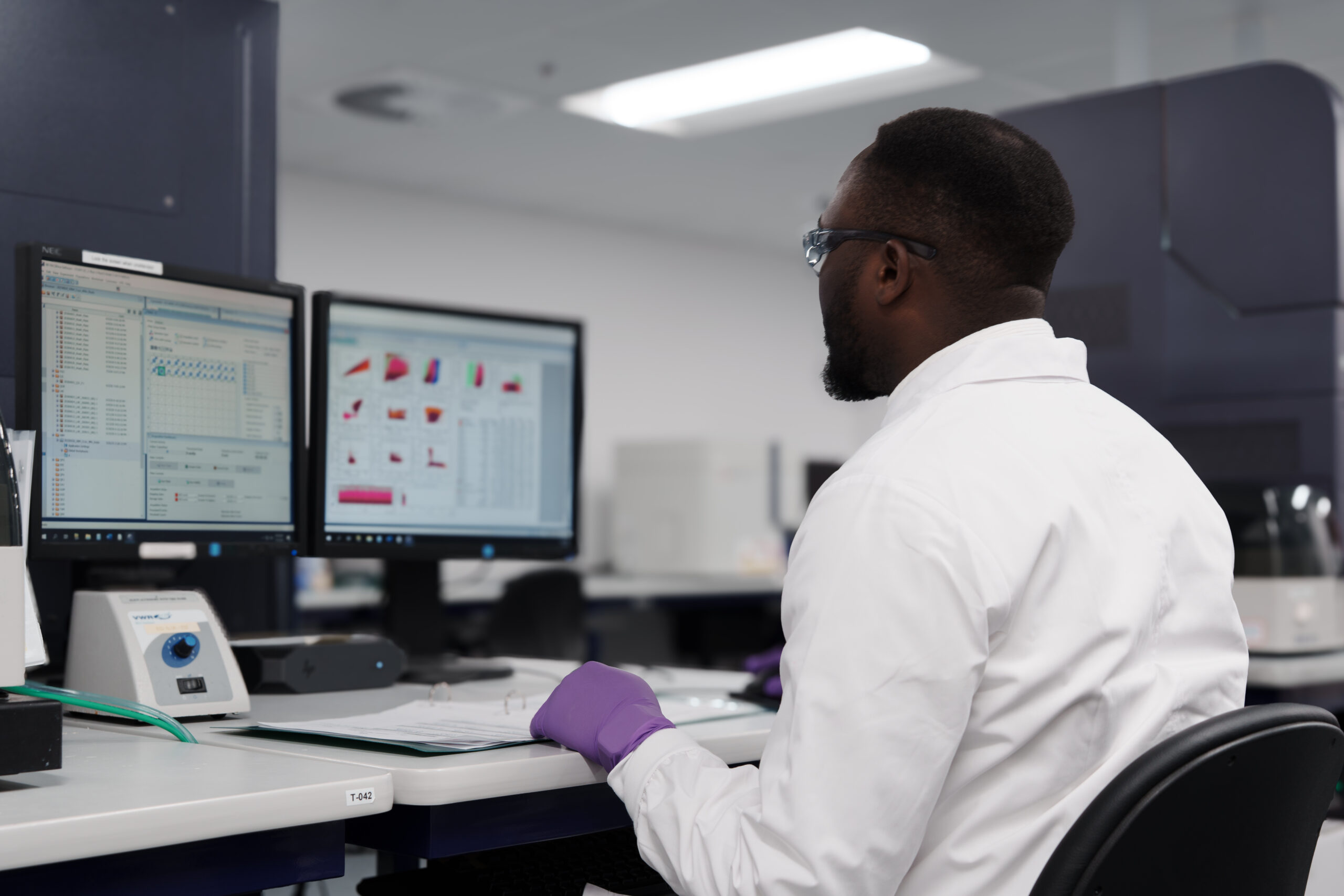
Our cloud-based software delivers easy, end-to-end analysis within a single platform, complete with customizable reporting and flexible, metadata-driven visualizations.
CellEngine is built to handle millions of cells, dozens of parameters and thousands of samples, making it ideal for MRD analysis, compound screens, clinical trials, and population-scale studies run on cutting-edge instruments. GxP-compliance and enterprise-grade security make it the premier flow cytometry software.
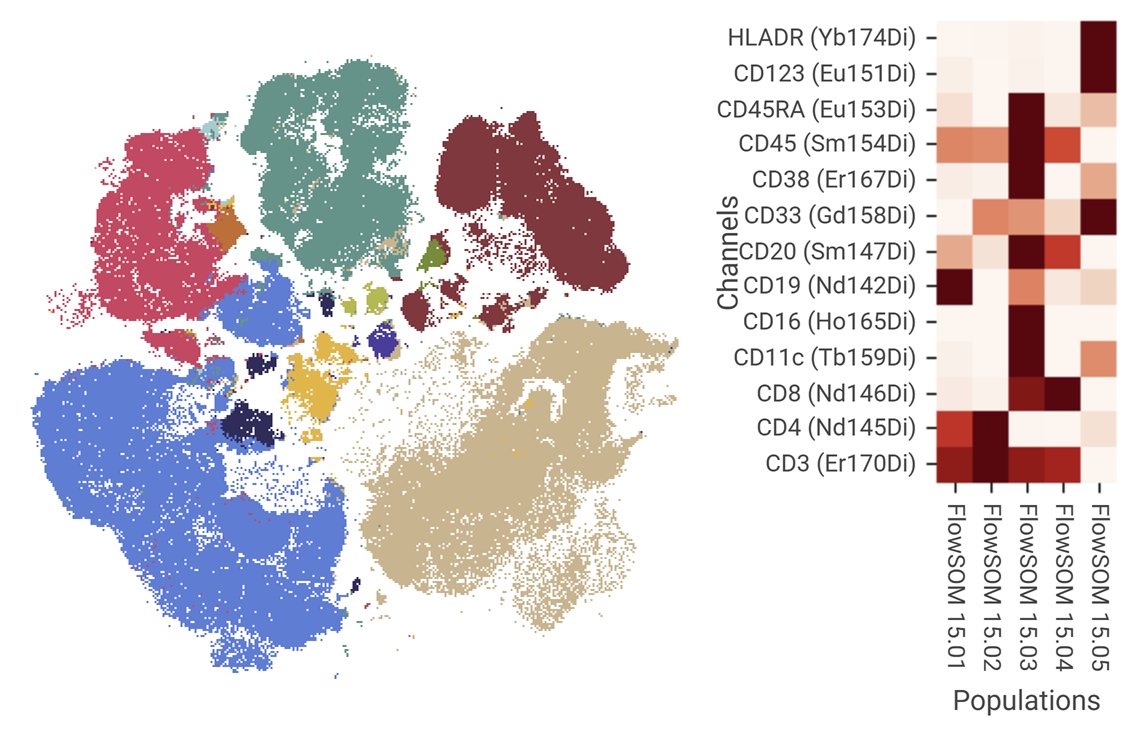
CellEngine includes a suite of dimensionality reduction and clustering algorithms, including UMAP, FlowSOM, and Phenograph. CellEngine’s optimized versions can analyze tens to hundreds of millions of cells in minutes, not hours. The results can be subsequently visualized and interrogated without leaving CellEngine.
CellEngine's autogating tool uses machine learning (ML) to automatically tailor gate positions according to your hierarchy. CellEngine learns your placement decisions from a small set of manually gated files and seamlessly applies them to your remaining files in seconds.
Unlike other flow cytometry software, CellEngine requires no training step or pipeline development, and, if needed, you can manually adjust the gates afterward.
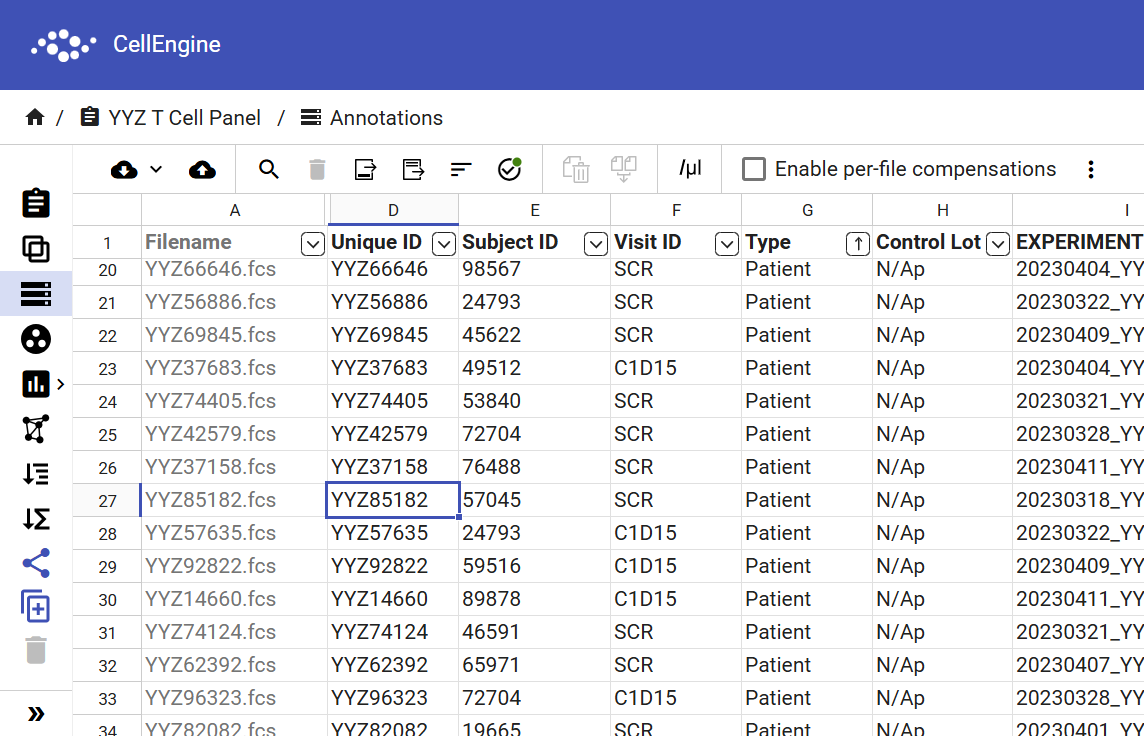
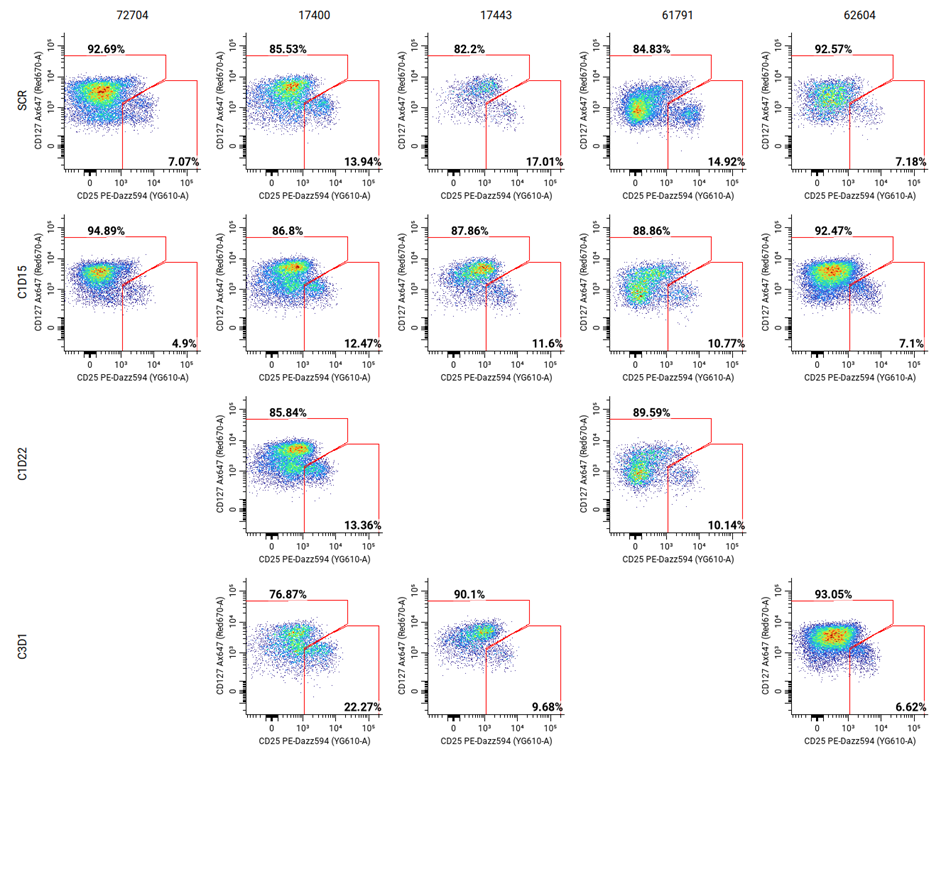
Start by adding sample metadata, such as timepoint, donor, dosage, and treatment, using a familiar spreadsheet interface. That metadata can then be used to systematically gate your data, automatically lay out your visualizations, or filter your dataset down to a subset of interest.
This automated approach reduces human error and saves time compared to manually organizing and reporting data.
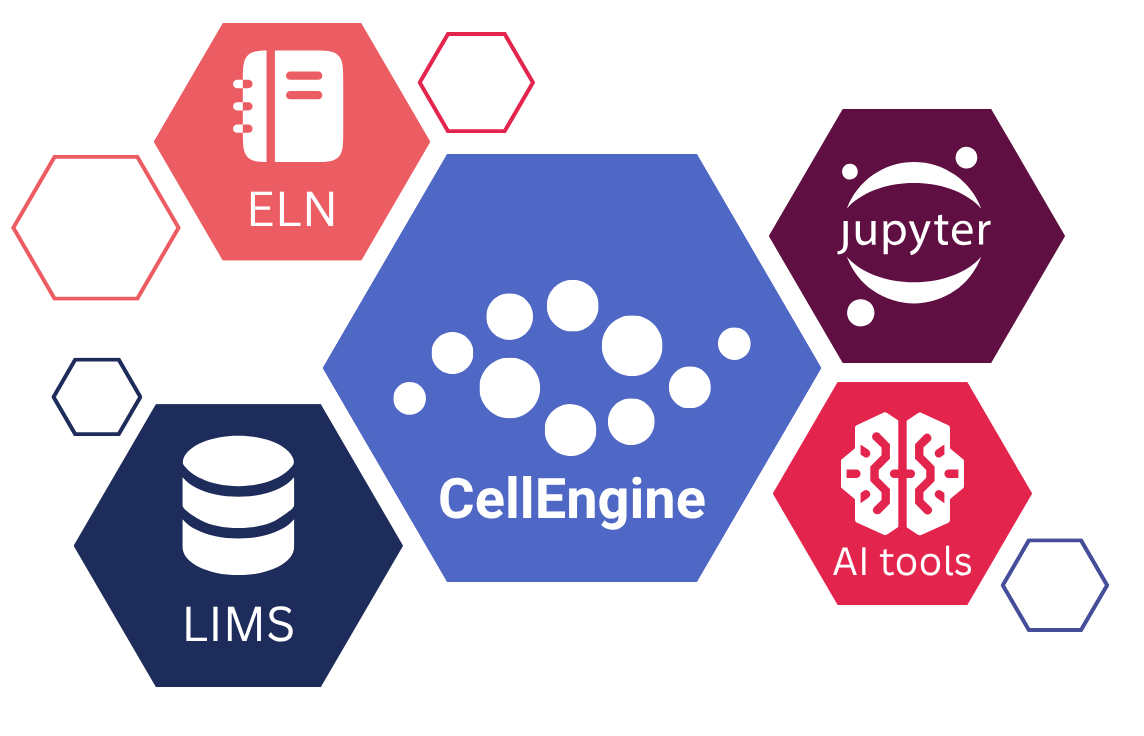
Integrate CellEngine seamlessly with your LIMS, ELN, and automation pipelines to streamline data management.
Our fully featured API empowers you to take analysis to the limits of your imagination. Feed your research into custom AI models or use it from within Jupyter notebooks to conduct reproducible bioinformatics analysis.
Standard import/export formats, including Gating-ML, make CellEngine interoperable with the scientific ecosystem.
Safety and security are integral to CellEngine. We protect your data with enterprise-grade, defense-in-depth security measures, validated by CellCarta’s company-wide ISO 27001 certification. Backed by our availability SLA, your research remains safe, private, and always available when you need it.
CellEngine includes a suite of dimensionality reduction and clustering algorithms, including UMAP, FlowSOM, and Phenograph. CellEngine’s optimized versions can analyze tens to hundreds of millions of cells in minutes, not hours. The results can be subsequently visualized and interrogated without leaving CellEngine.
CellEngine's autogating tool uses machine learning (ML) to automatically tailor gate positions according to your hierarchy. CellEngine learns your placement decisions from a small set of manually gated files and seamlessly applies them to your remaining files in seconds.
Unlike other flow cytometry software, CellEngine requires no training step or pipeline development, and, if needed, you can manually adjust the gates afterward.
Start by adding sample metadata, such as timepoint, donor, dosage, and treatment, using a familiar spreadsheet interface. That metadata can then be used to systematically gate your data, automatically lay out your visualizations, or filter your dataset down to a subset of interest.
This automated approach reduces human error and saves time compared to manually organizing and reporting data.
Integrate CellEngine seamlessly with your LIMS, ELN, and automation pipelines to streamline data management.
Our fully featured API empowers you to take analysis to the limits of your imagination. Feed your research into custom AI models or use it from within Jupyter notebooks to conduct reproducible bioinformatics analysis.
Standard import/export formats, including Gating-ML, make CellEngine interoperable with the scientific ecosystem.
Safety and security are integral to CellEngine. We protect your data with enterprise-grade, defense-in-depth security measures, validated by CellCarta’s company-wide ISO 27001 certification. Backed by our availability SLA, your research remains safe, private, and always available when you need it.
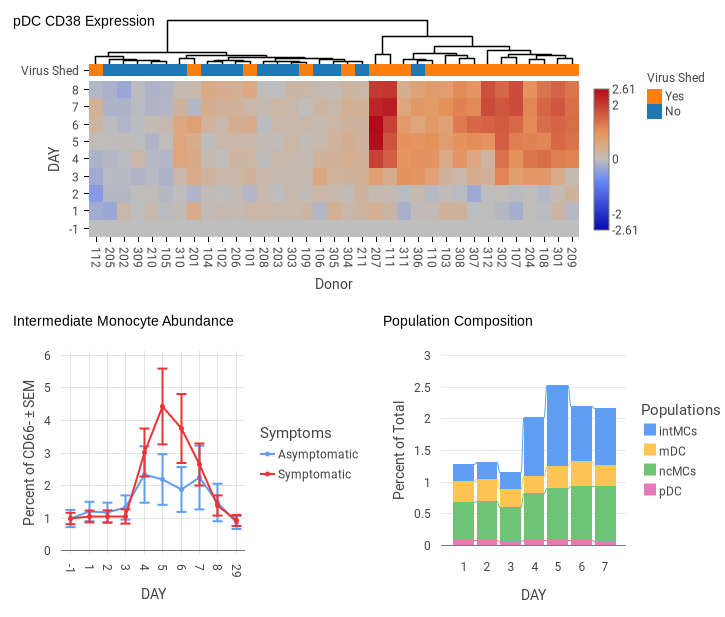
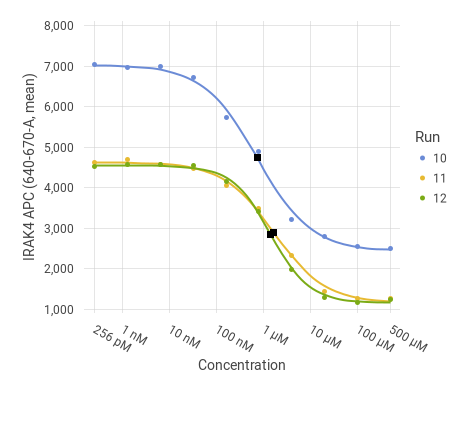
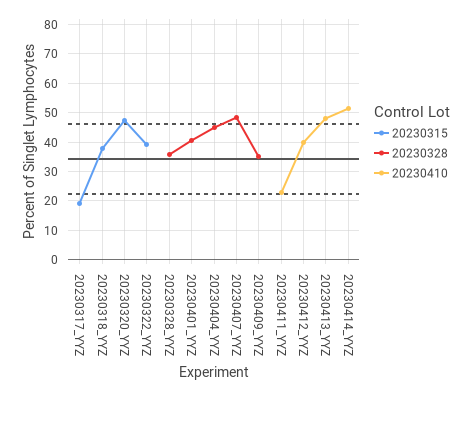
CellEngine covers the full range of visualizations, including charts, heatmaps, flow plots, and dose-response curves. Metadata-driven pivot tables of those visuals make study-level views a breeze. Batched illustrations drive reports that can update automatically as your study progresses.
CellEngine provides the features required for use in 21 CFR 11- and EU Annex 11-compliant environments.
CellCarta validates CellEngine with thousands of automated tests to ensure consistent performance. We also offer documentation packages and custom validation of your own analysis workflows.
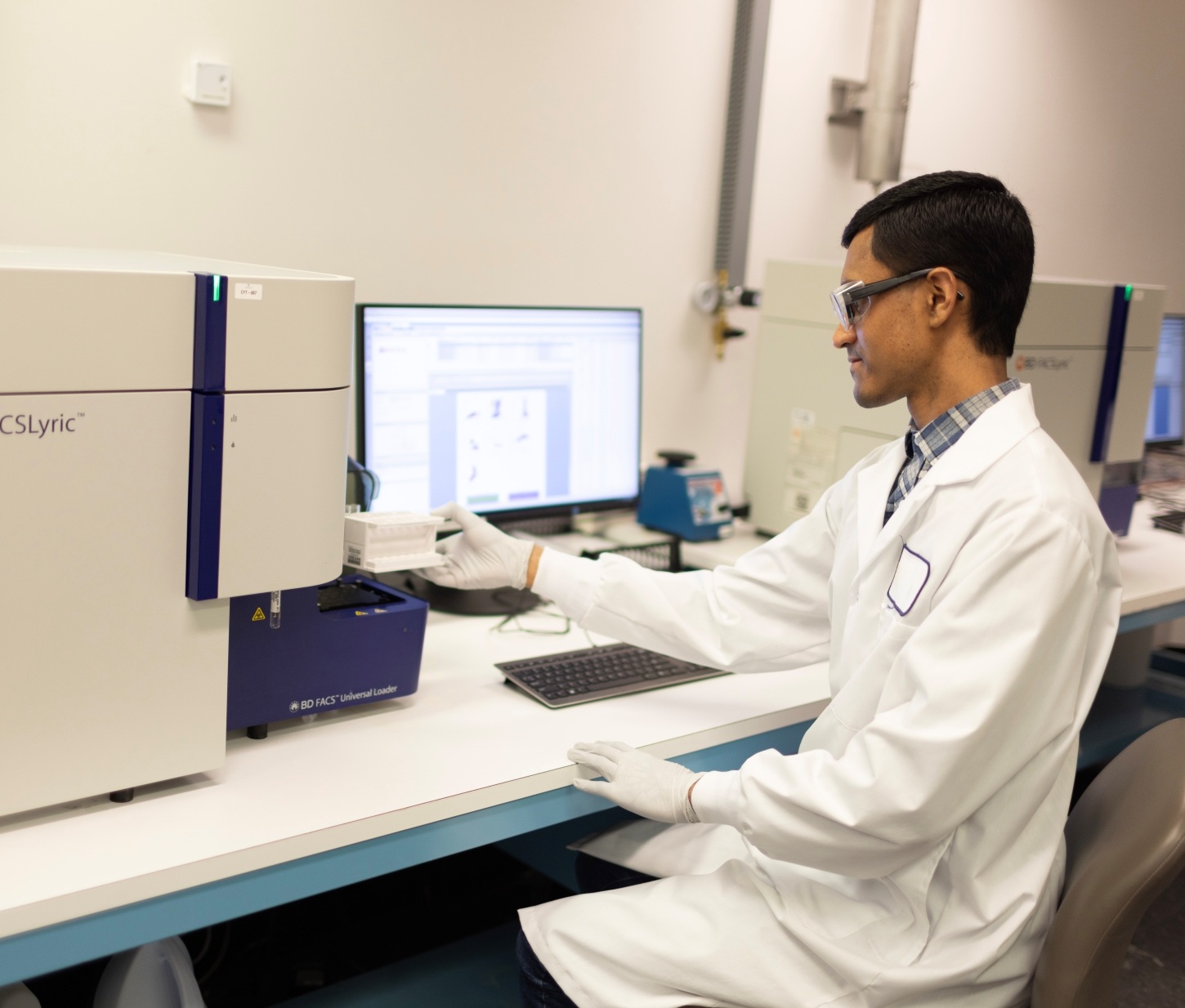
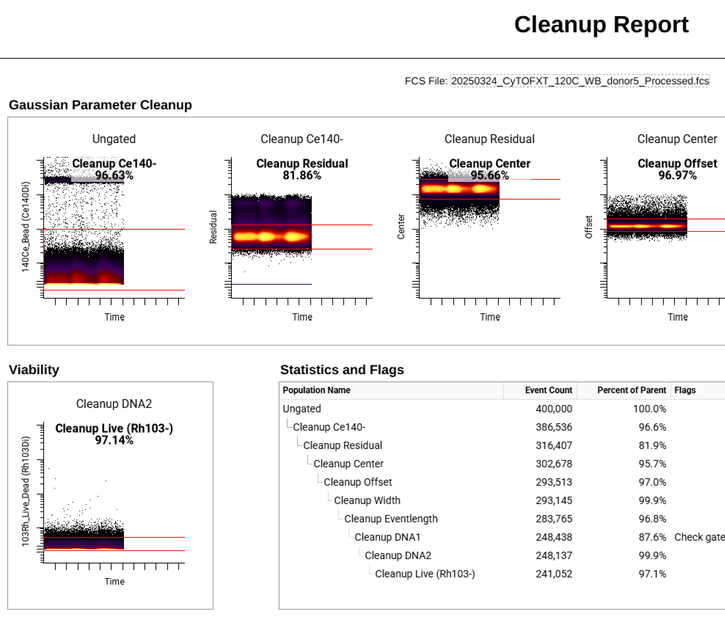
CellCarta’s partnership with Standard BioTools brings fast, automated preprocessing to mass cytometry. The CyTOF cleanup tool works with any CyTOF FCS file to identify live, single cells and generate a QC report in seconds, letting you focus on the insights that matter.
CellEngine is purpose-built for high-complexity flow cytometry analysis.
Fast & Scalable
Regulation-Compliant
Safe & Secure
AI-Ready
Deeper Insights
Versatile flow cytometry software for a variety of uses.
 Blog
Blog
 Posters
 Blog
Blog
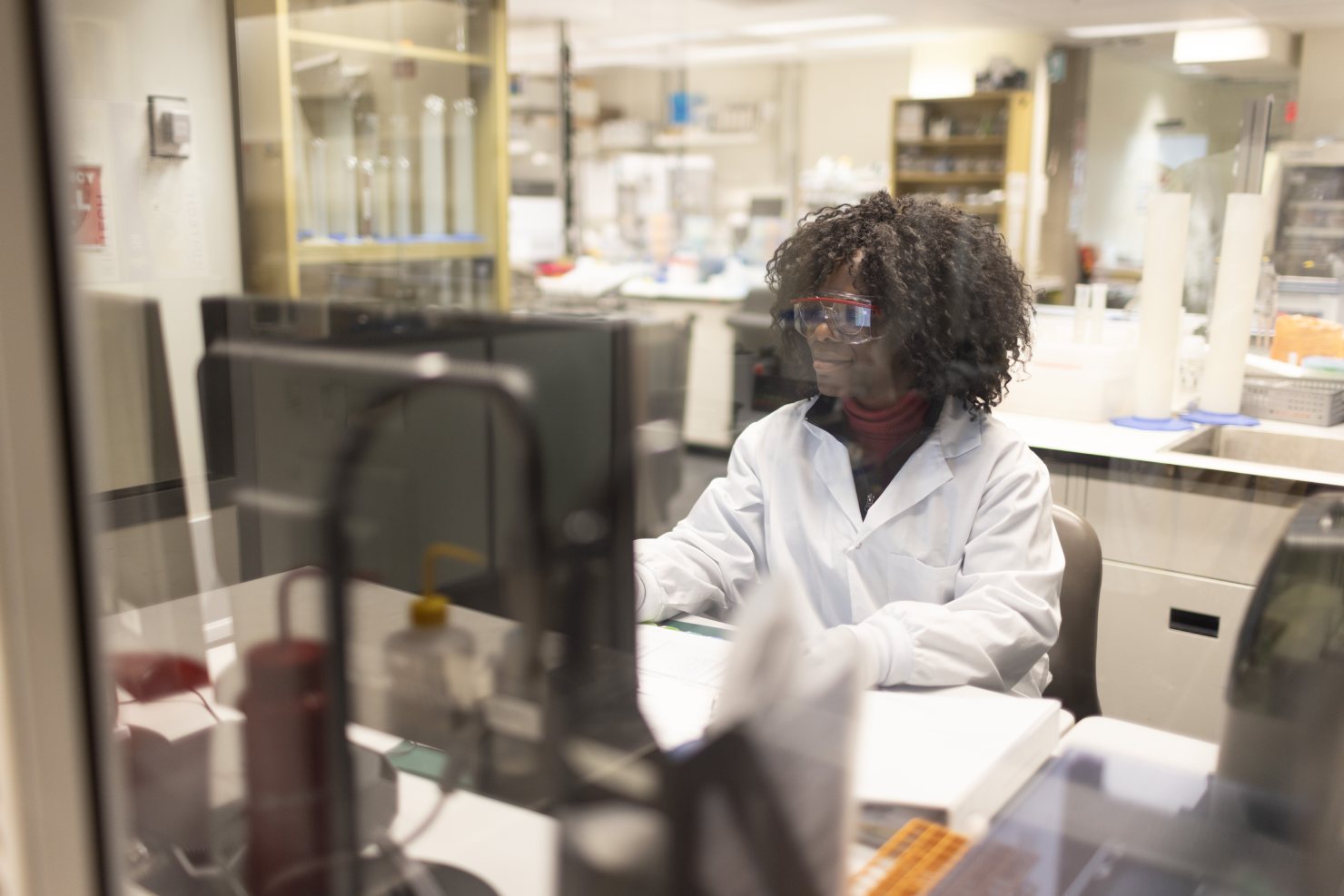
CellEngine is used by academics, small- and mid-sized biotech companies, and large biopharmas around the world. CellEngine also powers the analysis for all of CellCarta's expert flow cytometry services, including exploratory studies and phase 1 through phase 3 clinical trials.
A listing of some of the publications that have used CellEngine, including numerous phase 1 and phase 2 trial reports, is available on our publications page.
CellEngine’s automatic gate tailoring was designed in close collaboration with our cytometrists to address numerous shortcomings of existing solutions:
See a case study here.
If you have existing analyses done in other flow cytometry software, CellEngine can import data from:
Contact us to learn more about options for switching from other software.
CellEngine has dimensionality-reduction algorithms, including PCA, t-SNE and UMAP, and clustering algorithms, including FlowSOM, Phenograph and ensemble clustering of graphs (ECG).
CellEngine’s implementations of these algorithms often have improved functionality and ease of use over the original publications. For example, CellEngine’s t-SNE uses PCA initialization instead of random initialization, providing more statistically rigorous and consistent results between runs; and CellEngine’s Phenograph supports the Leiden method, which improves upon the original Louvain method.
We’ve also heavily optimized the algorithms for performance, cutting the runtime down to a fraction of that in most other flow cytometry software: CellEngine’s UMAP can analyze 10 million cells in about 20 minutes, CellEngine’s Leiden can analyze 10 million cells in about 15 minutes, and CellEngine’s FlowSOM can analyze 400 million cells in only a few minutes.
More information on CellEngine’s algorithms is available in this documentation.